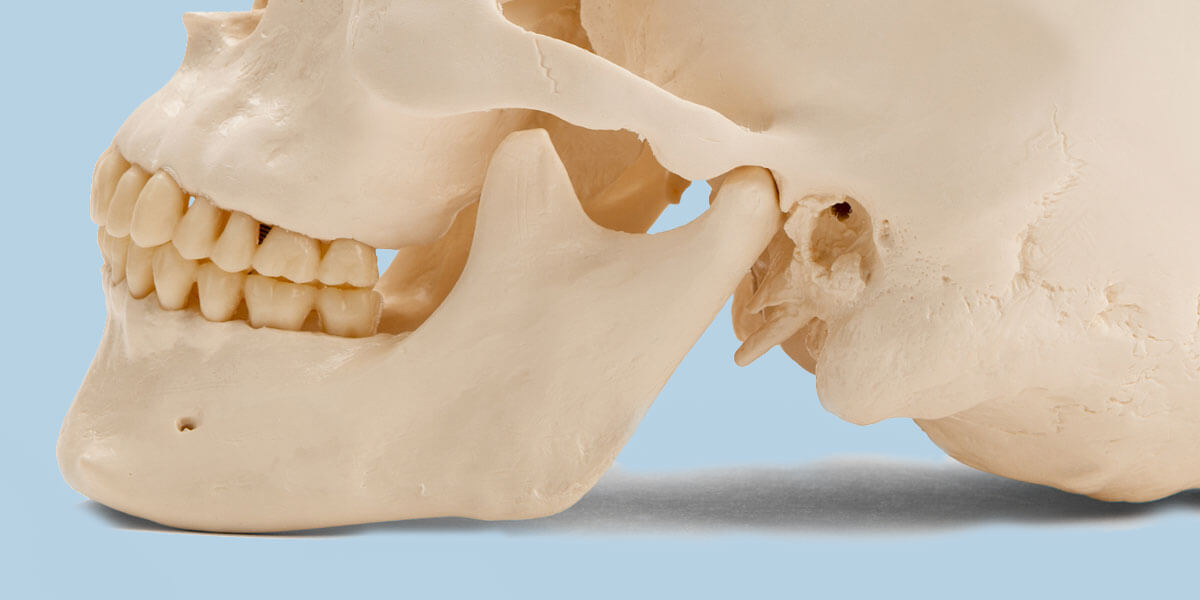
Temporomandibular joint (TMJ) disorders affect millions of people worldwide, causing pain and discomfort in the jaw, face, and surrounding muscles. These disorders can result from a variety of factors, including teeth grinding, jaw injuries, arthritis, stress, or misalignment of the bite. Individuals experiencing persistent jaw pain, difficulty chewing, or clicking sounds in the jaw may benefit from consulting a specialized TMJ clinic, where expert assessment and treatment options are available.
Common Symptoms That Lead Patients to a TMJ Clinic
Patients typically seek professional care at a TMJ clinic when experiencing symptoms such as:
- Chronic jaw pain or tenderness
- Difficulty opening or closing the mouth fully
- Clicking, popping, or grating sounds in the jaw joint
- Headaches, earaches, or facial pain
- Jaw stiffness or locking
- Neck or shoulder discomfort associated with jaw movement
These symptoms can range from mild discomfort to significant pain that affects daily activities like eating, speaking, or even sleeping. Consulting a professional TMJ Clinic ensures a thorough assessment and a customized treatment plan designed to address the specific cause of the disorder.
Initial Evaluation and Diagnosis
The first step at a TMJ clinic is a comprehensive evaluation. This includes reviewing the patient’s medical and dental history to identify potential causes of jaw dysfunction. The specialist will examine the jaw, bite, teeth alignment, and facial muscles for signs of strain or structural issues.
Additional diagnostic tools may include:
- Imaging Studies: X-rays, CT scans, or MRI can reveal joint structure, cartilage condition, and any inflammation or damage.
- Functional Analysis: Assessing how the jaw moves and identifying areas of restriction or pain.
- Sleep and Lifestyle Assessments: Questions about sleep habits, teeth grinding, and stress levels help determine contributing factors.
This careful evaluation allows the TMJ specialist to tailor treatment recommendations specifically to the patient’s condition, increasing the likelihood of long-term relief.
Treatment Approaches at a TMJ Clinic
A TMJ clinic offers a range of treatment options depending on the severity and underlying cause of the disorder:
- Lifestyle and Behavioral Adjustments: Simple changes such as avoiding hard or chewy foods, reducing jaw clenching, and stress management can reduce symptoms.
- Dental Appliances: Custom-made splints or mouthguards help prevent teeth grinding, reposition the jaw, and relieve pressure on the TMJ.
- Physical Therapy: Specialized exercises improve jaw mobility, strengthen supporting muscles, and reduce tension in the face and neck.
- Medications: Anti-inflammatory drugs, pain relievers, or muscle relaxants may be prescribed for symptom management.
- Minimally Invasive Procedures: Corticosteroid injections or arthrocentesis can reduce inflammation and relieve pain in more severe cases.
- Surgery: Reserved for patients with structural damage or severe joint dysfunction, surgical options are considered only when conservative treatments fail.
TMJ clinics typically adopt a multi-disciplinary approach, combining dental, physical therapy, and medical interventions to address both symptoms and root causes.
Preventive and Supportive Measures
Alongside professional care, patients are often guided on preventive measures to maintain jaw health and reduce the risk of flare-ups:
- Practice good posture to prevent muscle strain in the neck and shoulders.
- Avoid excessive chewing or habits that place strain on the jaw, such as gum chewing or nail-biting.
- Perform recommended jaw exercises to maintain flexibility and reduce tension.
- Use stress-reduction techniques, including meditation and deep breathing.
- Attend regular dental check-ups to monitor bite alignment and detect early signs of TMJ issues.
Implementing these practices helps complement clinical treatment and supports long-term relief.
Benefits of Visiting a TMJ Clinic
Consulting a specialized TMJ clinic offers several advantages:
- Expert Assessment: Comprehensive evaluation ensures accurate diagnosis and identification of underlying causes.
- Customized Treatment Plans: Each patient receives a tailored plan based on their specific symptoms and anatomy.
- Integrated Care: Clinics often coordinate care with physical therapists, medical specialists, and other professionals for holistic management.
- Long-Term Relief: Proper treatment reduces pain, restores jaw function, and prevents recurrence of symptoms.
- Patient Education: Clinics provide guidance on exercises, lifestyle adjustments, and preventive care, empowering patients to manage their condition effectively.
Conclusion
TMJ disorders can have a significant impact on daily life, but early assessment and treatment at a specialized TMJ Clinic can provide lasting relief. Through thorough evaluation, personalized treatment plans, and a combination of professional and lifestyle interventions, patients can reduce pain, restore jaw function, and improve overall quality of life. Understanding what to expect at a TMJ clinic helps patients feel more informed and confident in seeking the care they need for jaw and facial pain.