When you think about machines, what comes to mind? Maybe cars, bikes, or even household appliances like washing machines. What all these have in common is the need for smooth motion between parts. That’s where bearings come in. While most of us have heard of ball bearings in bicycles or skateboards, there’s another equally important type called the linear bearing.
In this article, we’ll explore what a linear bearing is, how it works, and where you might find it. We’ll also compare it with another popular type of bearing—the tapered roller bearing—to help you understand why different bearings are used for different jobs.
What Exactly is a Linear Bearing?
Imagine sliding a heavy box across a wooden floor. It takes effort because there’s a lot of friction. Now, picture putting that box on wheels—it glides much more easily. A linear bearing works in a similar way, but instead of rolling in circles like wheels, it lets parts move smoothly back and forth along a straight line.
- A linear bearing is a mechanical component designed to provide free motion in one direction.
- It reduces friction between moving parts, ensuring smooth and precise movement.
- You’ll often find it in machines like 3D printers, CNC machines, and medical equipment.
The magic of a linear bearing is that it allows for smooth sliding while carrying loads, whether they are light or heavy. Without it, machines would be noisy, wear out faster, and simply not function as efficiently.
Why Do We Need Linear Bearings?
Think of drawing a straight line with a ruler versus freehand. The ruler guides your pen and keeps the motion smooth. That’s the role of a linear bearing in machines—it guides movement along a straight path while reducing effort.
Here’s why they’re so useful:
- Smooth operation: They cut down friction, making motion easy.
- Accuracy: Perfect for machines that need precise, repeatable movements.
- Durability: They reduce wear and tear on parts.
- Efficiency: Less energy is needed to move objects.
Common Types of Linear Bearings
Not all linear bearings look or work the same way. Depending on the application, engineers choose different designs. Some common types are:
- Ball Bushing Bearings – Use small steel balls to allow smooth sliding.
- Roller Bearings – Use cylindrical rollers instead of balls for better load capacity.
- Plain Bearings (or Bushings) – Simple design with no rolling parts, often made from materials like bronze or plastic.
Each has its own strengths. For example, ball bushing bearings are lightweight and smooth, while roller types are more robust and handle heavier loads.
Linear Bearing vs. Tapered Roller Bearing
Now, let’s bring in the tapered roller bearing for comparison. While a linear bearing focuses on straight-line motion, a tapered roller bearing is built for rotational motion with the ability to handle both radial and axial loads (side and forward/backward pressure).
- Linear Bearing: Guides smooth motion in a straight line, like the head of a 3D printer moving across the bed.
- Tapered Roller Bearing: Handles heavy rotating parts, like car wheels or gear shafts.
Think of it this way: if you’re moving furniture in a straight hallway, you’d want a linear bearing. But if you’re spinning a wheel at high speed, a tapered roller bearing is the right tool for the job. Both are crucial, but they serve very different purposes.
Everyday Examples to Understand
Sometimes, these concepts feel abstract until we tie them to everyday experiences. Let’s look at some examples:
- Drawer slides: When you pull out a drawer and it glides smoothly, that’s essentially how a linear bearing works.
- Train on tracks: The train moves straight and steady along its rails—similar to the guiding role of a linear bearing.
- Car wheels: Here’s where tapered roller bearings shine, helping wheels spin freely while carrying the weight of the car.
Where Are Linear Bearings Used?
You might be surprised at how often linear bearings play a role in technology around you. Some key areas include:
- 3D printers – for accurate nozzle movement.
- Medical equipment – ensuring smooth, controlled motions.
- Robotics – guiding robot arms for precise tasks.
- Packaging machines – speeding up production lines.
- Industrial machines – from cutting to drilling, they keep processes accurate.
Without linear bearings, many industries would struggle with efficiency, precision, and reliability.
Choosing the Right Linear Bearing
If you’re working on a project or machine, how do you know which linear bearing to pick? Here are some tips:
- Load requirements: Heavier loads may need roller-style bearings.
- Speed of movement: Faster applications benefit from ball-type bearings.
- Environment: Dusty or wet environments may need sealed or corrosion-resistant designs.
- Budget and lifespan: Sometimes a simpler plain bearing is enough for light-duty tasks.
Caring for Linear Bearings
Like any moving part, linear bearings need a little attention to keep them running smoothly. The good news? It’s pretty simple.
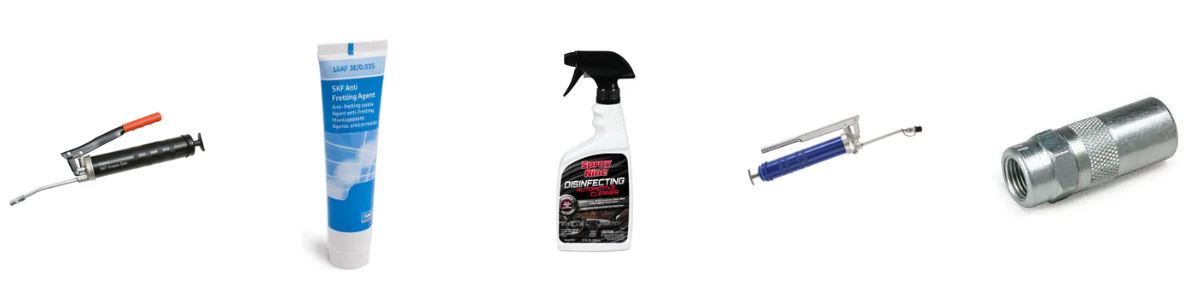
- Lubrication: A small amount of grease or oil reduces friction and prevents rust.
- Cleanliness: Dust and dirt can cause wear, so keeping them clean is important.
- Inspection: Regular checks help spot wear before it causes breakdowns.
Think of it like maintaining your bicycle chain—it doesn’t take long but makes a big difference.
Key Takeaways
- Linear bearings are essential for smooth, precise straight-line motion.
- They reduce friction, improve accuracy, and extend machine life.
- Tapered roller bearings are different but equally important, handling rotational loads.
- You can find linear bearings in everyday items like drawers, 3D printers, and robotics.
- Choosing the right type depends on load, speed, and environment.
Wrapping It Up
Linear bearings may not be something you think about every day, but they’re quietly working behind the scenes in countless machines that make life easier. Whether guiding a 3D printer nozzle or keeping a robot arm on track, they’re all about making motion smooth and reliable.
And while a tapered roller bearing might seem like a completely different story, both types of bearings remind us of one thing—motion is everywhere, and it’s the right bearing that makes it possible.
So, next time you open a smooth-sliding drawer or watch a precise robotic arm at work, you’ll know there’s probably a linear bearing behind that magic.