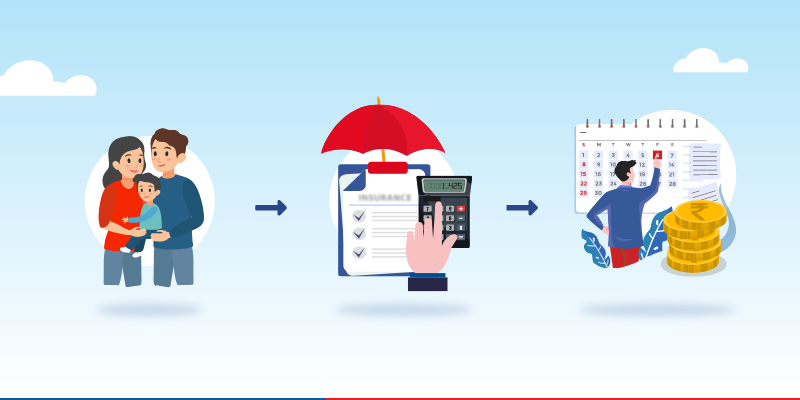
Promoting the welfare of the girl child has been a priority for the Indian government over the years. Various government girl child schemes in India aim to empower families by encouraging savings and ensuring financial security for girls. These initiatives not only provide monetary benefits but also offer structured savings plans that cultivate a disciplined financial habit among parents and guardians. For Indian families, understanding these schemes is crucial to leverage the best savings opportunities available under government support.
In this article, we will explore some of the most effective government schemes designated for the girl child. We will discuss their key features, benefits, eligibility criteria and how they serve as reliable savings plans for securing the future of girls across the country.
Importance of government girl child schemes in India
Reducing the gender gap in education, health and social status is essential for balanced societal growth. Government girl child schemes in India are designed to tackle issues such as female foeticide, malnutrition and lack of educational access. Beyond social goals, these schemes often include savings plans that help parents accumulate funds for crucial expenses like education and marriage.
These schemes provide:
– Financial incentives to promote the birth and education of girl children
– Structured savings avenues with periodic contributions
– Government-backed security ensuring returns and safety of investment
– Encouragement towards long-term financial planning
Implementing such schemes has shown significant progress in enhancing the status of the girl child while offering families a dependable savings option.
Beti Bachao Beti Padhao Scheme
Launched in 2015, the Beti Bachao Beti Padhao (BBBP) scheme stands as a flagship initiative aimed at improving the child sex ratio and promoting girl child education.
Key features
– Focuses on awareness regarding the importance of the girl child
– Promotes enrolment and retention of girls in schools
– Financial benefits under associated state girl child schemes
While BBBP itself does not provide a direct savings plan, it paves the way for state-level savings schemes and scholarship programmes beneficial to girls’ education.
Impact
Since its launch, several states have seen improved sex ratios and increased awareness about girl child welfare, directly supporting families to consider long-term savings for their daughters.
Sukanya Samriddhi Yojana: the best government savings plan for girl child
The Sukanya Samriddhi Yojana (SSY) is one of the most popular government girl child schemes in India offering a direct and lucrative savings plan.
Overview
– Introduced under the “Beti Bachao Beti Padhao” campaign
– A small deposit savings scheme designed to encourage parents to save for their girl child
– Minimum deposit: Rs. 250, maximum Rs. 1.5 lakh per financial year
– The account can be opened anytime before the girl child turns 10 years old
Benefits and features
– Attractive interest rate linked to government securities, currently at 8.0% per annum (subject to quarterly revision)
– Tax benefits under Section 80C of the Income Tax Act
– Tenure: 21 years from the date of account opening or until the girl’s marriage after the age of 18
– Allows partial withdrawal for higher education expenses after the girl attains 18 years
Why choose Sukanya Samriddhi Yojana as a savings plan
The SSY scheme combines government guarantee, tax benefits and a high-interest rate, making it the ideal long-term savings plan tailored especially for girls. It instils a disciplined savings habit and secures the future education and marriage needs of the girl child.
Balika Samriddhi Yojana: a valuable financial support scheme
Balika Samriddhi Yojana is a state-level initiative, particularly implemented in states such as Rajasthan, aimed at promoting the welfare of girl children with a dedicated savings plan.
Highlights
– Encourages families to save regularly with a fixed deposit plan
– Provides a fixed maturity sum after a specified period, typically 5 years
– Eligibility: Girl children born in the state and from economically weaker sections
Benefits
– Financial assistance at the time of girl’s marriage or education
– Promotes saving discipline among families with modest incomes
– State government sometimes augments savings with periodic incentive payments
Though Balika Samriddhi Yojana varies from state to state, it represents an easy-to-understand and implement savings plan supporting poor families with daughters.
Ladli Scheme: differentiated benefits tied to savings and education
The Ladli Scheme, primarily implemented in Delhi and certain other states, offers financial aid along with a structured saving route for girl children.
Scheme details
– Monetary assistance provided in instalments linked to the girl child’s education milestones
– Families receive several payments from birth to completion of secondary or higher education
– Requirement to maintain bank savings, promoting financial discipline
Savings plan connection
The conditional payments encourage families to maintain bank accounts and establish a habit of saving. Though not a fixed deposit scheme, the Ladli Scheme indirectly supports a consistent savings routine for the girl’s future needs.
Other notable government girl child schemes in India with savings benefits
Several other schemes complement primary initiatives by either direct funding or promoting savings for girl child welfare.
Rajiv Gandhi Scheme for Empowerment of Adolescent Girls (SABLA)
– Focuses on health, nutrition and social empowerment
– Encourages savings and skill development for adolescent girls
– Financial literacy sessions highlight savings plan benefits under government schemes
Dhanalakshmi Scheme
– Provides conditional cash transfers to promote the survival and education of the girl child
– Monetary benefits are released on achieving educational and health benchmarks
– Encourages systematic savings by linking benefits to milestones
How to choose the best savings plan under government girl child schemes in India
Factors to consider:
– Interest rates offered and their stability
– Tax benefits available under the scheme
– Flexibility in deposit and withdrawal structure
– Tenure aligning with anticipated financial needs
– Safety and reliability due to government backing
– Access to partial withdrawals for education
Among the government girl child schemes in India, Sukanya Samriddhi Yojana remains the most attractive for long-term savings. However, integrating other schemes depending on regional availability can provide a comprehensive savings and welfare plan.
Steps to open and maintain accounts under girl child savings plans
– Approach authorised banks or post offices offering the scheme
– Submit birth certificate and identity proof of the girl child
– Start with minimum deposit and set up periodic contributions
– Keep track of interest rate changes and government notifications
– Ensure account maturity or timely withdrawals as per scheme conditions
Parents and guardians must regularly review the savings plan performance and compliance to maximise benefits.
Conclusion
Government girl child schemes in India serve the dual purpose of empowering girls socially while offering prudent savings plans to secure their financial future. Schemes such as Sukanya Samriddhi Yojana provide one of the best savings options with attractive interest rates and tax exemptions. Coupled with state-specific schemes like Balika Samriddhi Yojana and Ladli Scheme, these initiatives offer Indian families structured avenues to plan and save for their daughters’ education, health and marital needs. Awareness and effective utilisation of these government girl child schemes in India cannot be overemphasised for fostering a more equitable society grounded in financial security for every girl child.