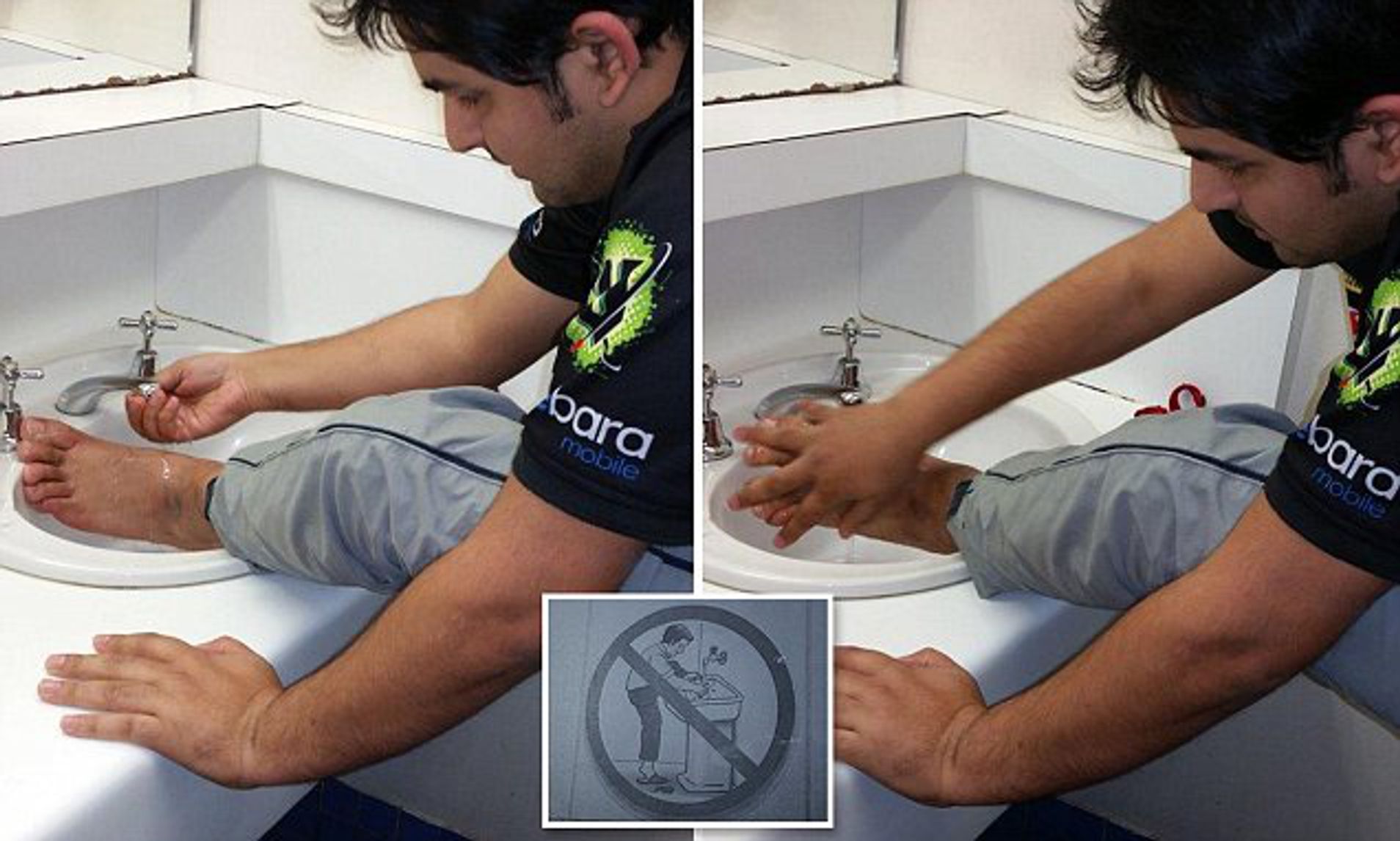
Foot hygiene is becoming an increasing priority in public spaces, driven by the need for cleanliness, convenience, and safety. As a result, the installation of foot wash sinks in public facilities is gaining significant traction. From mosques and gyms to schools and community centers, these specialized sinks provide a practical solution to manage hygiene in high-traffic areas.
Meeting Hygiene Standards
Public facilities face unique challenges when it comes to maintaining hygiene. With multiple users throughout the day, floors, carpets, and shared spaces can quickly become contaminated with dirt, bacteria, and other contaminants. Installing foot wash sinks helps address these concerns by providing a dedicated area for individuals to clean their feet before entering clean zones. This practice minimizes the spread of dirt and germs, contributing to healthier, more sanitary environments.
Adapting to Diverse User Needs
Foot wash sinks are designed to accommodate a wide range of users, from children and elderly individuals to those with mobility limitations. Features such as non-slip footrests, ergonomic heights, and accessible basin designs ensure safety and comfort for everyone. A foot wash sink in a public facility can significantly improve the overall user experience, providing a convenient and hygienic solution that meets the diverse needs of its patrons.
Enhancing Facility Maintenance
In addition to improving hygiene, foot wash sinks contribute to easier maintenance of public facilities. By reducing the amount of dirt and moisture brought in from the outside, these sinks help protect flooring, carpets, and other surfaces from wear and staining. This, in turn, reduces the frequency and cost of cleaning and maintenance. Public facility managers recognize the value of such investments, as they enhance cleanliness while saving time and operational expenses in the long term.
Supporting Health and Safety Guidelines
Health and safety regulations in public facilities often emphasize cleanliness and infection control. Foot wash sinks align with these standards by providing a structured method for foot hygiene. Especially in environments where individuals are barefoot or using shared mats, such as prayer areas, gyms, or swimming pool zones, the sinks help minimize the risk of bacterial or fungal infections. Their installation demonstrates a commitment to health-conscious practices, which is increasingly expected by facility users.
Space Efficiency and Design Flexibility
Modern foot wash sinks are available in compact and multi-station designs, allowing facilities to maximize space without compromising functionality. Single units are ideal for smaller areas, while multiple sinks can be installed in high-traffic locations to accommodate numerous users simultaneously. The ability to choose sinks that blend with existing interiors makes it easier for facilities to maintain a cohesive and organized look, enhancing both usability and aesthetics.
Encouraging Consistent Hygiene Practices
The presence of a foot wash sink in public facilities encourages consistent hygiene habits among users. Convenient placement near entrances, locker rooms, or high-use areas prompts individuals to wash their feet before accessing clean spaces. Over time, this promotes a culture of hygiene, reducing the overall burden on cleaning staff and creating a healthier environment for all.
Future Trends and Increasing Adoption
As awareness of hygiene and cleanliness grows, the demand for foot wash sinks in public facilities is expected to rise. Facilities that prioritize user safety, comfort, and health are more likely to invest in these sinks to meet expectations. Technological advancements, durable materials, and customizable designs further drive adoption, making foot wash sinks a practical and attractive addition to any public space.
Conclusion
The growing demand for foot wash sinks in public facilities reflects a broader focus on hygiene, convenience, and user safety. By providing a dedicated area for foot cleaning, these sinks help maintain cleanliness, protect flooring, and support health standards. Their versatile designs, space efficiency, and user-friendly features make them an essential addition to gyms, schools, mosques, and other high-traffic environments, ensuring a cleaner, safer, and more organized facility for all.