There was a time when the “office leaving card” was a logistical nightmare. It involved a manila envelope being passed stealthily from cubicle to cubicle, a frantic search for a blue pen that actually worked, and the inevitable moment where you realized you had accidentally signed your name over someone else’s heartfelt message.
As we navigate the professional landscape of 2026, the physical card has largely gone the way of the fax machine. In its place, free group leaving cards have emerged not just as a convenience but as a powerful tool for maintaining team culture in a hybrid world.
Bridging the Distance in a Remote World
The most obvious benefit of digital farewell cards is their accessibility. With teams spread across different time zones and home offices, a physical card is no longer a viable option. A digital platform allows a team member in London to sign the same card as a colleague in Sydney, all within the same minute.
These platforms provide a centralized space where distance doesn’t dictate the quality of the send-off. By using a free group leaving card, companies ensure that no one is left out of the ritual, reinforcing the idea that every voice in the company matters, regardless of their physical location.
Beyond Ink and Paper: The Power of Personalization
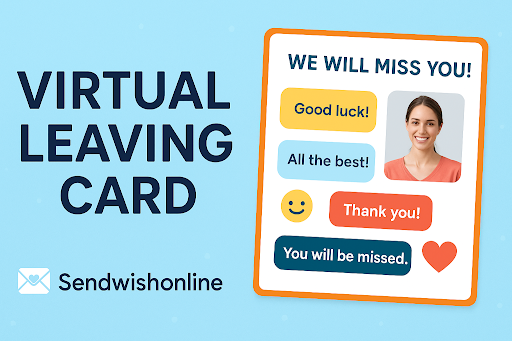
Traditional cards are limited by the dimensions of the cardstock. Once the white space is gone, it’s gone. Digital cards, however, offer a virtually infinite canvas. This allows for a level of personalization that a physical card simply cannot match:
- Multimedia Integration: Instead of just a signature, colleagues can embed funny GIFs, inside-joke memes, or even short video clips wishing the departee well.
- Photo Memories: Users can upload photos from team outings, Zoom happy hours, or successful product launches, turning a simple card into a digital scrapbook.
- Creative Formatting: Most free platforms allow for custom backgrounds, various fonts, and stickers, making each card a unique reflection of the team’s personality.
Enhancing Employee Experience and Retention
It might seem counterintuitive to discuss “retention” when someone is leaving, but the way a company handles departures says a great deal to the employees who remain. A thoughtful, organized group card shows that the organization values its people as individuals, not just as roles on an org chart.
When employees see their colleagues being sent off with genuine warmth and effort, it builds a sense of psychological safety. It signals that hard work is recognized and that the relationships built within the company are valued. In a competitive job market, these “small” cultural touchpoints are what differentiate a great workplace from a mediocre one.
How to Organize the Perfect Virtual Goodbye
To make the most of a free group leaving card, a little bit of coordination goes a long way. Here are three tips for a successful digital send-off:
- Assign a Facilitator: Choose one person to act as the “card owner” to send out the link and set a firm deadline for signatures.
- Provide Prompt Ideas: To avoid twenty versions of “Good luck in your new role,” suggest a theme, such as “Share your favorite memory of working with [Name].”
- The Big Reveal: Don’t just email the link. If possible, share your screen during the department’s final team meeting to show them the card and scroll through a few messages together.
The Sustainability Factor
In 2026, corporate social responsibility is at the forefront of business operations. Switching to digital cards is a small but meaningful step toward reducing a company’s carbon footprint. By eliminating the need for paper, ink, and the fuel used for shipping or driving to a stationery store, free group leaving cards align with a modern, eco-conscious professional ethos.
Conclusion: A Lasting Digital Keepsake
A physical card is often tucked in a drawer and eventually lost during a move. A digital group leaving card, however, stays in the recipient’s inbox or cloud storage forever. It serves as a permanent reminder of their professional achievements and the friendships they forged.
As we continue to redefine what it means to be a “team,” tools like free group leaving cards remind us that while the office may be virtual, the connections we make are very much real.