House interior design is more than just arranging furniture or choosing a color palette—it is an artistic and functional process that shapes the way we live, feel, and interact with our environment. A well-designed interior can elevate daily experiences, offer comfort, and reflect the unique personality of its occupants.
Whether you’re planning a renovation, moving into a new home, or simply refreshing your space, this article will guide you through the key principles and ideas to create an interior that is both beautiful and practical.
Understanding the Purpose of Interior Design
Interior design is the process of enhancing the interior of a space to achieve a more aesthetically pleasing and functionally useful environment. It involves understanding the structure of the space, its lighting, color schemes, furniture arrangement, and how individuals interact with it.
While architecture determines the layout of your home, interior design personalizes it. Good design should meet the following goals:
- Improve functionality
- Enhance comfort and flow
- Reflect your lifestyle and taste
- Increase the value of your home
- Create an atmosphere of harmony and coherence
Defining Your Interior Style
Before beginning any design work, it’s important to define your personal interior style. Are you drawn to modern minimalism, classic elegance, rustic warmth, or eclectic combinations?
Here are some popular styles to consider:
1. Modern
Characterized by clean lines, neutral colors, and minimal ornamentation. Think open spaces, functional furniture, and simplicity.
2. Scandinavian
Inspired by Nordic countries, this style focuses on light, natural materials, and a cozy feel—often combining white walls with wooden floors and soft textures.
3. Industrial
Exposed brick walls, metal fixtures, and a raw, unfinished look define this bold and edgy style. Common in lofts or repurposed buildings.
4. Bohemian
A relaxed, colorful style featuring a mix of textures, patterns, plants, and vintage pieces. Boho interiors feel artistic and carefree.
5. Traditional
Rich wood finishes, classic furniture, and formal arrangements characterize traditional interiors. Often symmetrical, warm, and timeless.
Space Planning: Function Comes First
A stunning home is useless if it isn’t functional. Effective space planning ensures that each room serves its intended purpose while maintaining good flow and comfort.
Here are some tips for successful space planning:
- Define the function of each space—reading, cooking, entertaining, etc.
- Measure everything and consider the dimensions of furniture.
- Create zones in open-plan spaces to distinguish between uses.
- Leave room for movement, especially in high-traffic areas like kitchens and hallways.
- Ensure accessibility for all users, considering children or elderly family members.
Color Psychology in Home Design
Colors impact our emotions and perception of space. Choosing the right color scheme is essential for creating a mood that matches the room’s purpose.
Popular Color Palettes and Their Effects:
- Blues and Greens: Calming and perfect for bedrooms or studies.
- Whites and Neutrals: Clean, timeless, and great for creating a sense of openness.
- Bold Colors (Red, Orange, Yellow): Energizing, often used in dining or creative areas.
- Earthy Tones: Bring warmth and grounding to living spaces.
Don’t be afraid to mix and layer colors. Accent walls, rugs, and artwork are great for adding pops of color without overwhelming a space.
Lighting: The Unsung Hero of Interior Design
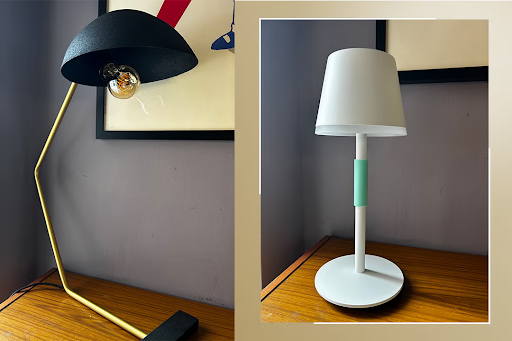
Lighting plays a crucial role in house interior design. It affects mood, highlights key features, and improves functionality. There are three main types of lighting:
- Ambient Lighting: General lighting such as ceiling lights or chandeliers.
- Task Lighting: For specific activities—desk lamps, under-cabinet kitchen lights.
- Accent Lighting: Used to highlight artwork, architecture, or textures.
A good interior design integrates all three to create layers of light, offering flexibility throughout the day and night.
Choosing Furniture and Layout
Furniture is both decorative and functional. When selecting pieces for your home:
- Prioritize comfort and quality over trends.
- Ensure pieces match the room size—avoid overcrowding.
- Balance proportions with a mix of high and low furniture.
- Create focal points, like a statement sofa or dining table.
- Arrange for conversation and accessibility—no blocking doorways or windows.
Furniture arrangement can make or break a room’s usability, so experiment with layouts before committing.
Adding Personality with Decor
Accessories bring soul into a home. While the main design sets the tone, it’s the decorative elements that make it uniquely yours.
Here’s how to add personality:
- Art and photography: Choose pieces that speak to you, not just match the color scheme.
- Textiles: Use rugs, cushions, throws, and curtains to introduce texture and warmth.
- Plants and greenery: These breathe life into a space and improve air quality.
- Books, collectibles, and souvenirs: Showcase your interests and travels.
- Mirrors: Not only decorative, but they also make small rooms feel larger and brighter.
Don’t overdo it—leave space to breathe. A clutter-free space is often more inviting.
Sustainable and Smart Design
Modern house interior design often embraces sustainability and smart home technology.
Sustainable Practices Include:
- Using eco-friendly materials like bamboo, reclaimed wood, or low-VOC paints.
- Investing in energy-efficient lighting and appliances.
- Opting for timeless designs that reduce the need for frequent updates.
Smart Home Features May Include:
- Automated lighting and temperature control.
- Voice-activated devices for convenience.
- Smart security systems and energy monitors.
Combining style with sustainability is not just trendy—it’s responsible and future-focused.
Final Thoughts: Making Your Home Truly Yours
Designing your home’s interior is a deeply personal journey. While trends and inspiration are helpful, the ultimate goal is to create a space that feels like you—a place that enhances your well-being, supports your lifestyle, and welcomes you every time you walk through the door.
Whether you prefer sleek minimalism or cozy maximalism, always design with intention. Use the principles of good space planning, color theory, lighting, and texture, but don’t be afraid to bend the rules in ways that bring you joy.