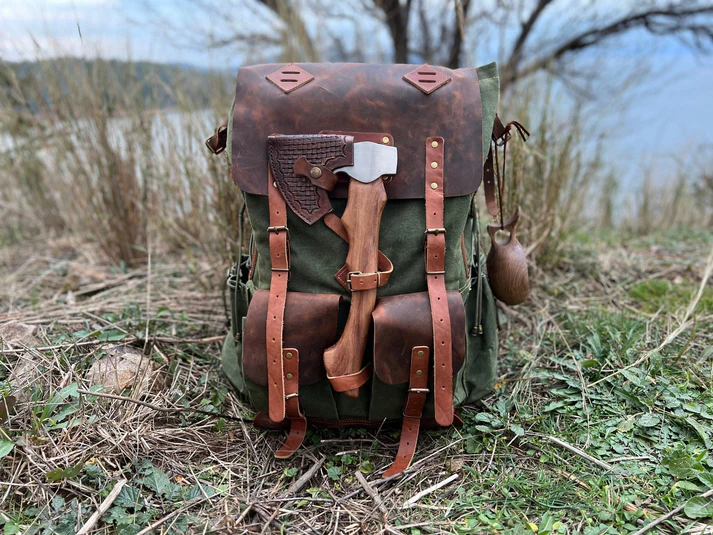
When heading out into the wilderness, a reliable hiking backpack is one of the most crucial pieces of gear you can carry. More than just a storage bag, it is designed with carefully engineered features to maximize comfort, balance, and utility on the trail. Understanding the anatomy of a hiking backpack allows you to choose the right one for your adventures and use it effectively.
Why Knowing Your Backpack’s Anatomy Matters
A well-designed Hiking Backpack distributes weight evenly, protects your gear, and enhances mobility. By learning about each component, you’ll know how to properly load it, adjust it for comfort, and avoid common mistakes like poor packing that leads to fatigue or discomfort. Hikers often overlook these details, but they can make the difference between an enjoyable trek and a painful one.
The Suspension System
The suspension system is the heart of a hiking backpack. It determines how comfortably the weight sits on your body. Its key parts include:
- Shoulder Straps: Padded and adjustable to fit different torso lengths, these carry a portion of the load while keeping the backpack secure.
- Hip Belt: Often heavily padded, it transfers most of the weight to the hips instead of the shoulders, reducing strain on your back.
- Load Lifters: Small straps connecting the top of the backpack to the shoulder straps. They help keep the pack close to your body, improving balance.
- Sternum Strap: Adjustable across the chest to prevent shoulder straps from sliding outward and to stabilize the pack during movement.
A good suspension system ensures that even heavy loads feel manageable over long distances.
The Frame
Frames provide structure and stability. Backpacks generally come in two types:
- Internal Frame: Hidden inside the fabric, it gives a sleek shape and helps with weight distribution. Ideal for challenging terrains and longer hikes.
- External Frame: Visible on the outside, offering better ventilation and easier attachment points for bulky gear. Suitable for carrying heavy or awkward loads.
Choosing the right frame type depends on the kind of hikes you plan to take.
Main Compartment
This is the largest section of the backpack, designed to hold bulky gear such as sleeping bags, tents, or extra clothing. Many hiking backpacks feature a top-loading design, which makes them easier to pack vertically. Some models also include side or bottom access zippers for reaching gear without unpacking everything.
Top Lid (Brain)
Often called the “brain” of the backpack, the top lid is a smaller compartment that sits above the main body. It’s perfect for items you need quick access to, like maps, snacks, or a headlamp. Some backpacks have detachable lids that double as waist packs for shorter excursions.
Front Pocket and Stretch Panels
Front-facing pockets, often with mesh or stretch fabric, are designed for lightweight items like jackets or rain covers. These panels provide easy access without digging through the main compartment. They’re particularly handy when sudden weather changes occur, allowing you to quickly grab layers or protective gear.
Side Pockets
Side mesh pockets are useful for storing water bottles, trekking poles, or other gear you may need on the move. Many modern designs include compression straps across these pockets, which secure tall items like tent poles or fishing rods.
Compression Straps
Compression straps help stabilize the load by tightening the contents of your backpack. They reduce bulk, keep items from shifting, and improve overall balance while hiking on uneven terrain.
Hydration System Compatibility
Most modern hiking backpacks are designed to accommodate hydration systems. They feature an internal sleeve for a water bladder and a dedicated exit port for the drinking tube. This feature is especially useful for hikers who want hands-free hydration without stopping to grab a bottle.
Ventilation System
Carrying a heavy pack generates heat and sweat. Ventilation panels, often made of mesh, allow air circulation between the backpack and your back. Advanced designs include tensioned mesh that keeps the pack slightly lifted away, reducing sweat buildup.
Bottom Compartment
Some backpacks include a separate bottom compartment, often intended for sleeping bags or shoes. This feature makes it easier to access these items without disturbing the rest of your gear.
Gear Loops and Attachment Points
For those carrying trekking poles, ice axes, or climbing gear, external loops and lash points provide secure attachment options. These features are especially important for technical hikes where additional equipment is necessary.
Rain Cover
Many backpacks come with a built-in rain cover stored in a hidden pocket. It protects your gear during unexpected downpours and adds an extra layer of durability.
How to Use Each Part Efficiently
Understanding the anatomy is only half the job; knowing how to use each part effectively ensures maximum performance:
- Place heavier items close to your back in the main compartment to maintain balance.
- Use the hip belt properly to take pressure off your shoulders.
- Store quick-access essentials in the lid or front pocket.
- Tighten compression straps to prevent gear from shifting mid-hike.
- Take advantage of hydration sleeves to stay energized and hydrated.
Final Thoughts
A hiking backpack is far more than a bag—it’s a carefully engineered tool designed to keep you safe, comfortable, and organized in the wilderness. By understanding its anatomy, you can make informed choices when purchasing and ensure you’re using it to its fullest potential. Whether you’re preparing for a day hike or a multi-day expedition, mastering the features of your backpack helps you hike smarter, longer, and with greater confidence.