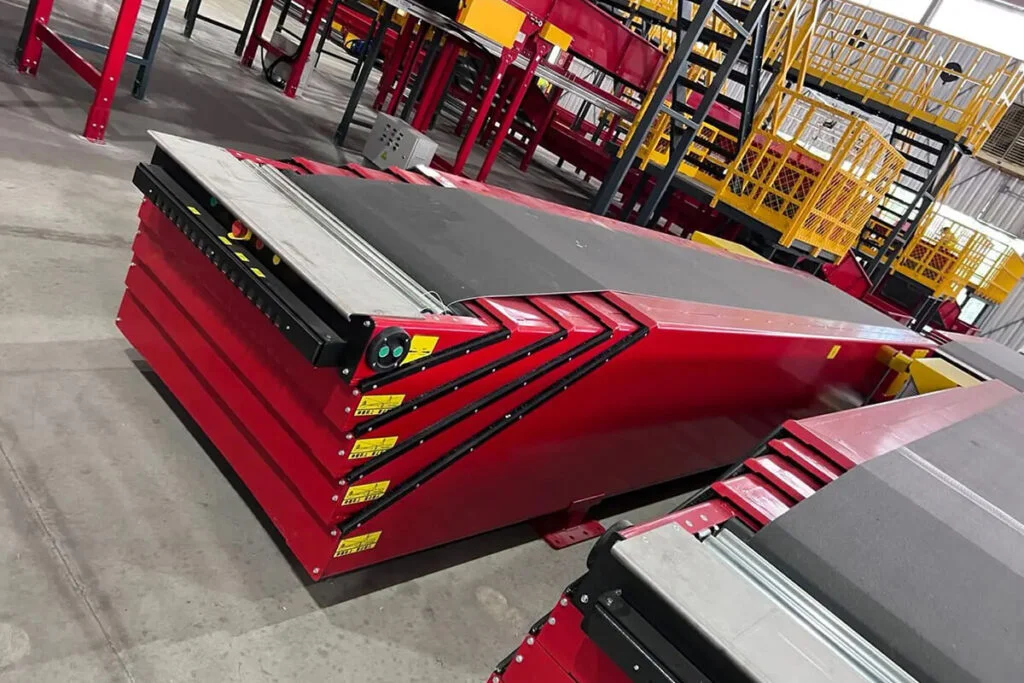
Telescopic conveyors have become indispensable in modern logistics, warehousing, and distribution operations. Their ability to extend into trucks and containers, move goods efficiently, and retract when not in use makes them highly versatile for high-volume facilities. However, like all mechanical systems, telescopic conveyors require regular maintenance to ensure reliable performance, prevent unexpected downtime, and extend operational lifespan. Implementing effective maintenance practices can save both time and money while enhancing safety for employees.
A telescopic conveyor is built with multiple moving parts, including nested telescopic sections, motorized belts, rollers, and control mechanisms. Each component must be regularly inspected, cleaned, and serviced to maintain smooth operation. Proper maintenance not only protects the equipment from premature wear but also reduces the risk of workplace accidents associated with malfunctioning conveyors. Establishing a structured maintenance routine is therefore essential for any facility relying on these systems.
Regular Inspection Procedures
The foundation of effective conveyor maintenance is consistent and thorough inspections. Operators and maintenance personnel should routinely check critical components before starting the system. This includes examining the belt for signs of wear, fraying, or misalignment. Even minor belt damage can lead to uneven movement, increased stress on the motor, or product damage during transport.
Telescopic sections should be inspected for smooth sliding and proper alignment. Rollers, guides, and tracks must be free from debris or obstructions that could interfere with extension or retraction. Any abnormal sounds, vibrations, or resistance during movement should be investigated immediately to prevent further damage.
Electrical components, including motors and control panels, should also be checked for loose connections, signs of overheating, or worn wires. Regular inspections help identify potential problems early and allow for corrective actions before they escalate into costly repairs.
Lubrication and Moving Parts Care
Proper lubrication is crucial for the smooth operation of telescopic conveyors. Moving parts such as rollers, bearings, and telescopic tracks experience friction during regular use. Applying the recommended type and amount of lubricant prevents premature wear and ensures stable performance. Over-lubrication, however, can attract dust and debris, which may cause blockages, so it is important to follow the manufacturer’s guidelines carefully.
In addition to lubrication, cleaning moving parts is essential. Dust, dirt, and packaging debris can accumulate in the tracks or around rollers, leading to uneven motion or jamming. Routine cleaning ensures that the telescopic sections extend and retract smoothly and that the conveyor operates efficiently under load.
Belt Maintenance and Alignment
The conveyor belt is one of the most critical components of a telescopic system. Regularly checking belt tension and alignment is vital to prevent slippage or uneven wear. Misaligned belts can put excessive strain on motors and rollers, potentially leading to system failure.
Facility operators should also inspect the belt for cuts, tears, or surface damage. Prompt replacement of a damaged belt reduces the risk of goods falling during transport and protects other components from unnecessary wear. Periodic belt tracking adjustments are recommended to ensure consistent movement along the entire length of the conveyor.
Motor and Drive System Care
Telescopic conveyors rely on electric motors to drive both the belt and the telescopic extension mechanism. Regular maintenance of these motors includes checking for overheating, unusual noises, or vibration, all of which could indicate mechanical or electrical problems. Bearings and pulleys should be inspected and replaced if worn to maintain smooth operation.
Drive chains, gears, or belts within the motor system should be cleaned, lubricated, and tensioned according to manufacturer recommendations. Monitoring motor performance and energy consumption can also help detect inefficiencies early, allowing for preventive maintenance rather than emergency repairs.
Safety Inspections and Controls
Maintaining safety features is as important as mechanical maintenance. Emergency stop buttons, sensors, limit switches, and protective guards should be tested regularly to ensure they function correctly. Safety interlocks prevent overextension and reduce the risk of accidents when the conveyor is in operation.
Workers should be trained to recognize early signs of potential hazards, such as unusual noises or vibrations, and to report them immediately. Maintaining safety systems alongside mechanical maintenance ensures a safer working environment and reduces liability risks for the facility.
Scheduling Preventive Maintenance
A preventive maintenance schedule is one of the most effective ways to extend the lifespan of a telescopic conveyor. Routine maintenance tasks should be documented, including inspection checklists, lubrication schedules, and parts replacement timelines. Facilities can use these schedules to plan maintenance during off-peak hours, minimizing disruption to operations.
Regular preventive maintenance reduces the likelihood of unexpected breakdowns, increases operational efficiency, and ensures that the conveyor performs reliably under heavy workloads.
Conclusion
Telescopic conveyors are vital tools for modern material handling, but their efficiency and safety depend on proper maintenance. Implementing best practices such as regular inspections, lubrication, belt alignment, motor care, and safety checks ensures smooth operation and prolongs the equipment’s lifespan. Preventive maintenance not only protects the conveyor but also enhances productivity, reduces downtime, and maintains a safe working environment. Facilities that prioritize systematic maintenance of their telescopic conveyors are better positioned to meet high-volume logistics demands efficiently and reliably.