Sustainability has become a central focus in modern construction and interior design. From material sourcing to water conservation, every component of a building contributes to its environmental footprint. In accessible bathroom design, ADA-compliant sinks must meet regulatory standards while also aligning with eco-conscious practices. KingKonree integrates sustainability into the design and manufacturing of its ADA sinks, supporting both environmental responsibility and long-term performance.
Environmentally Responsible Material Selection
The foundation of sustainable sink manufacturing begins with material choice. KingKonree utilizes advanced solid surface materials and composite stone formulations that are durable, non-porous, and long-lasting. Durable materials reduce the frequency of replacements, minimizing waste and conserving resources over time.
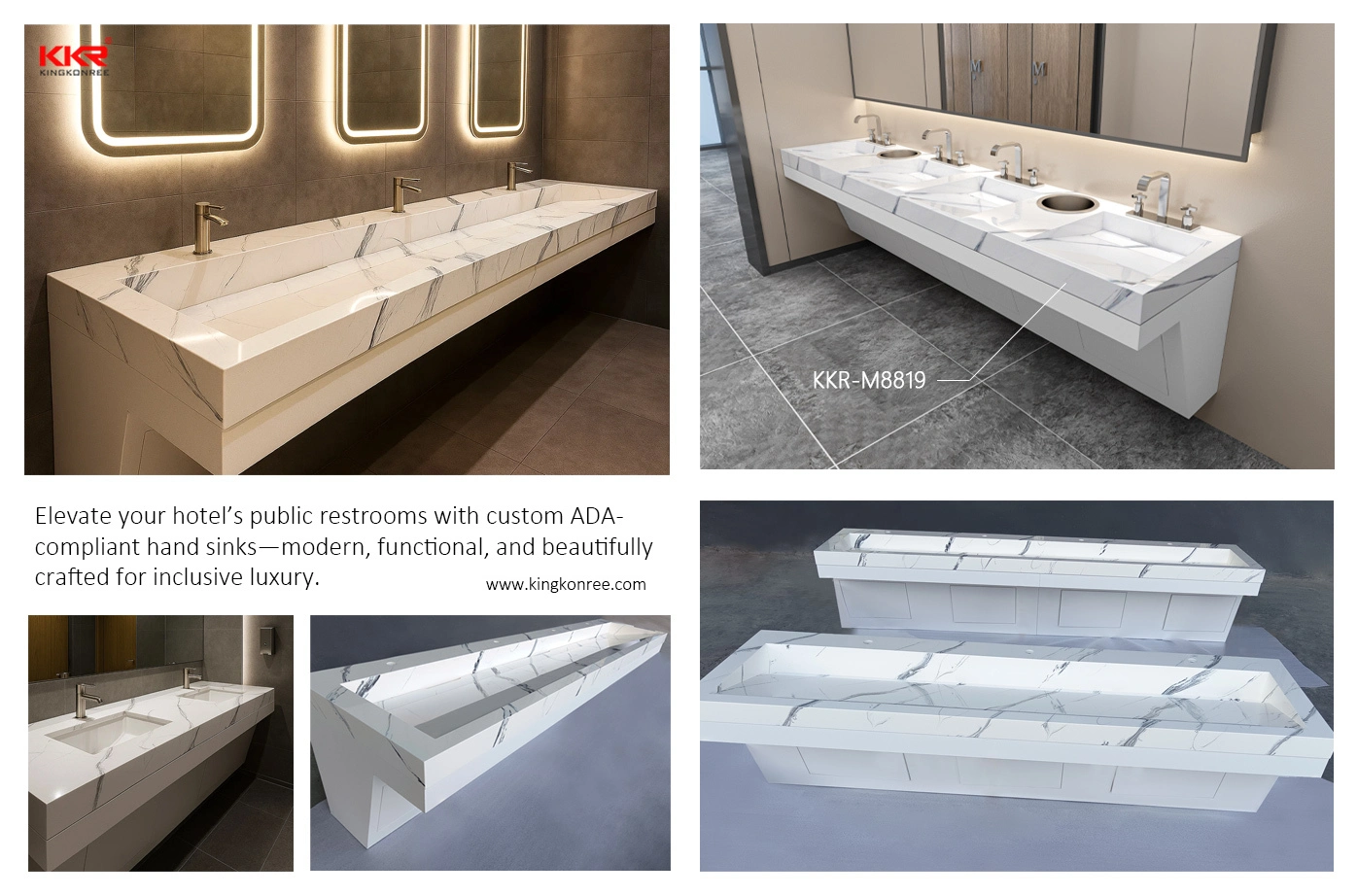
In commercial and residential developments focused on green building standards, ADA Sinks from KingKonree are engineered to balance accessibility compliance with environmentally responsible production practices. By emphasizing material efficiency and product longevity, these sinks contribute to reduced lifecycle environmental impact. Their robust construction ensures that facilities can maintain accessible restrooms without frequent material disposal or renovation.
Water Efficiency and Conservation
Water conservation is a major component of sustainable restroom design. KingKonree ADA sinks are compatible with low-flow and sensor-operated faucets, helping reduce water consumption in high-traffic environments. Controlled water flow ensures efficient usage without compromising user experience.
Efficient basin design further enhances conservation. Carefully contoured interiors guide water directly toward the drain, minimizing splashing and unnecessary runoff. This design approach reduces excess water usage while maintaining cleanliness and functionality. In facilities such as schools, hospitals, airports, and office buildings, the cumulative savings from water-efficient fixtures can significantly lower overall consumption.
Long Product Lifespan and Reduced Waste
One of the most effective sustainability strategies is extending product lifespan. KingKonree ADA sinks are manufactured to withstand heavy daily use, resisting cracks, stains, and impact damage. High durability reduces the need for frequent replacements, which in turn lowers the volume of discarded materials entering landfills.
Non-porous solid surface materials also resist bacterial growth and staining, decreasing the need for harsh chemical cleaners. Reduced chemical usage supports both environmental health and indoor air quality. By maintaining their structural integrity and appearance over many years, these sinks promote sustainable resource management.
Energy-Efficient Manufacturing Processes
Sustainable practices extend beyond the finished product to the manufacturing stage. KingKonree integrates energy-conscious production techniques that aim to reduce emissions and material waste. Efficient fabrication methods help optimize raw material usage, limiting excess byproducts during the shaping and finishing processes.
Advanced molding and fabrication technologies allow for precise construction, ensuring consistent quality while reducing scrap material. This efficiency not only supports environmental goals but also enhances overall product reliability.
Seamless Design for Hygiene and Sustainability
Seamless integrated sink designs offer both hygienic and environmental advantages. By eliminating visible joints and seams, KingKonree ADA sinks reduce areas where dirt and moisture can accumulate. This simplifies cleaning and lowers the need for intensive chemical disinfectants.
Integrated counters further minimize additional material usage by combining sink and countertop into a single unit. This streamlined approach reduces the number of separate components required during installation, contributing to material efficiency and simplified construction processes.
Support for Green Building Standards
Sustainable building certifications, such as LEED and other environmental rating systems, often emphasize water efficiency, material durability, and indoor environmental quality. KingKonree ADA sinks align with these objectives through water-saving compatibility, long-lasting construction, and low-maintenance surfaces.
In commercial projects where green certification is a priority, installing environmentally responsible fixtures supports broader sustainability targets. The integration of accessible and eco-conscious design demonstrates a commitment to inclusive and responsible development.
Eco-Friendly Packaging and Distribution
Sustainability also involves responsible packaging and transportation practices. Protective packaging designed to minimize material waste while ensuring product safety reduces environmental impact during shipping. Efficient logistics planning further lowers the carbon footprint associated with distribution.
By considering environmental responsibility at multiple stages—from production to delivery—KingKonree reinforces its commitment to sustainable manufacturing practices.
Conclusion
Sustainability and eco-friendly practices in KingKonree ADA sinks reflect a comprehensive approach to responsible design. Through durable materials, water-efficient compatibility, seamless construction, and energy-conscious manufacturing processes, these sinks support environmental goals while maintaining full ADA compliance.
By combining accessibility with long-term resource efficiency, ADA sinks from KingKonree contribute to restroom environments that are inclusive, durable, and environmentally responsible. Their sustainable features help property owners reduce operational costs and environmental impact while delivering reliable performance in residential and commercial settings.