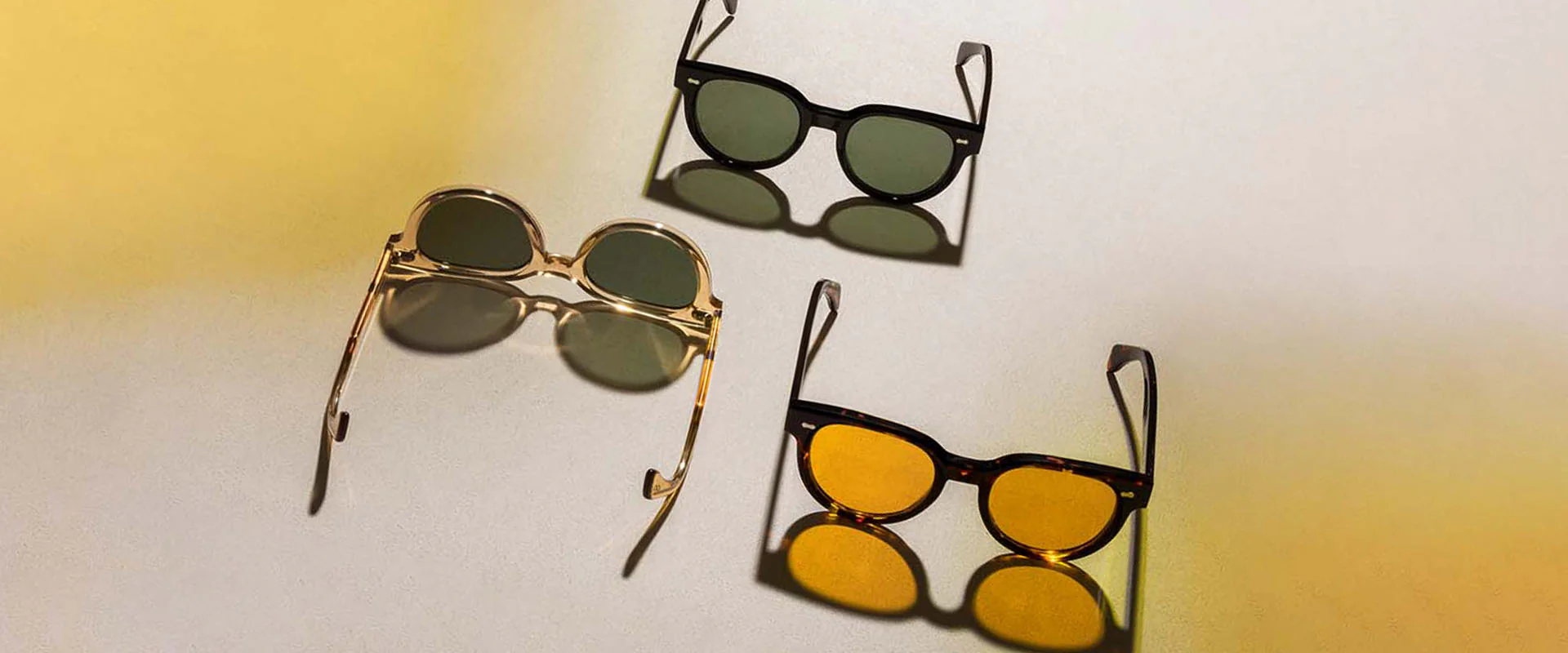
The production of sunglasses in a modern factory is a complex process that combines creativity, precision engineering, and strict quality control. Every pair of sunglasses goes through a carefully designed workflow to ensure it meets aesthetic, functional, and safety standards. From the initial design stage to the final assembly, a sunglasses factory follows a series of well-defined steps that integrate technology, skilled craftsmanship, and testing protocols. Understanding this workflow provides insight into how stylish, durable, and protective eyewear is created for the market.
A modern Sunglasses Factory such as Sunglasses Factory operates with a workflow that ensures efficiency and quality at each stage. The process begins with research and conceptual design and moves systematically through prototyping, material selection, lens production, frame manufacturing, assembly, and rigorous quality inspections. By coordinating these stages, manufacturers can produce sunglasses that balance style, comfort, and eye protection while adhering to international standards.
Design and Concept Development
The workflow starts with product design and concept development. Designers and engineers collaborate to create sunglasses that meet both fashion trends and ergonomic requirements. Computer-aided design (CAD) software allows the team to create precise digital models of frame shapes, lens sizes, and hinge mechanisms. These digital prototypes are used to evaluate proportions, fit, and aesthetics before moving to physical production.
During this stage, technical specifications, including frame dimensions, lens curvature, and material type, are defined. Designers often create multiple variations to test color combinations, textures, and finishes. Once a design is approved, it is ready for prototype development, forming the blueprint for production.
Prototyping and Material Selection
Prototyping transforms the digital designs into physical models. 3D printing and CNC machining are commonly used to produce prototype frames and lenses. These prototypes allow manufacturers to test fit, comfort, and structural integrity. Adjustments are made at this stage to resolve any design or functional issues.
Material selection is another critical aspect of the workflow. Frames may be made from acetate, polycarbonate, TR90, or metal alloys, depending on durability, flexibility, and style requirements. Lenses are typically made from polycarbonate, CR-39, or nylon and are chosen for their optical clarity and UV protection capabilities. Each batch of materials is inspected for quality before production begins to ensure the final product meets both performance and safety standards.
Lens Manufacturing and Treatment
Lens production is a key stage in the sunglasses manufacturing workflow. Lenses are molded or cut to precise specifications, ensuring proper curvature and optical clarity. Advanced machinery is used to maintain uniform thickness and smooth surfaces.
After shaping, lenses undergo several treatments to enhance functionality. UV protection coatings, anti-reflective coatings, scratch-resistant layers, and polarization are applied as needed. These coatings are critical for ensuring the lenses provide the necessary eye protection while maintaining visual clarity. Quality checks are conducted at multiple points to verify that the lenses meet international optical standards.
Frame Production and Finishing
Frame manufacturing depends on the chosen material. Plastic frames are often molded or cut from acetate sheets, then polished, colored, and finished for a smooth appearance. Metal frames undergo cutting, stamping, and welding processes, followed by electroplating or painting to enhance durability and corrosion resistance.
Hinges and other components are assembled with precision to ensure smooth operation. Surface treatments and finishes are applied to maintain aesthetics and resistance to wear and environmental factors. Proper finishing is essential for both the durability and comfort of the sunglasses.
Final Assembly and Quality Control
In the assembly stage, lenses are carefully fitted into the frames. Technicians ensure proper alignment, secure attachment, and smooth operation of hinges and temples. Each pair undergoes thorough inspections to verify optical accuracy, frame integrity, and overall appearance. Functional tests check for UV protection, lens stability, and resistance to impact or bending.
Quality control is integrated at every stage of the workflow to detect and correct defects early. Any sunglasses that fail to meet standards are repaired or discarded, ensuring that only products of the highest quality reach consumers.
Packaging and Distribution
After assembly and inspection, sunglasses are cleaned, labeled, and packaged. Protective cases, cleaning cloths, and informational inserts are included to provide added value and ensure safe handling. Packaging is designed to protect the sunglasses during shipping and storage.
Finally, the products are prepared for distribution to retailers or customers worldwide. The complete workflow—from design to final assembly—ensures that each pair of sunglasses combines style, durability, and eye protection.
By following a systematic workflow, a sunglasses factory can consistently produce high-quality eyewear that meets consumer expectations and adheres to industry standards. This integration of design, materials, manufacturing, and quality control creates sunglasses that are both functional and fashionable.