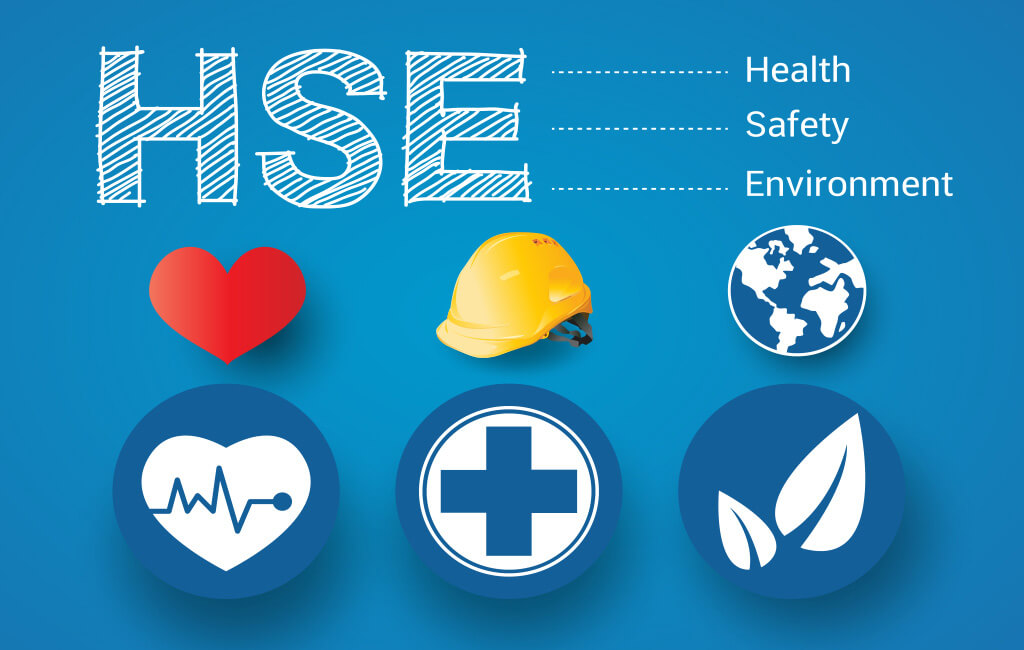
EHS programs help organizations protect employees, reduce environmental impact, and maintain safe, compliant operations by combining structured policies with real-time data and continuous improvement. A modern EHS approach centralizes safety processes, standardizes reporting, and turns daily observations into actionable insights—allowing businesses to prevent incidents, meet regulatory requirements, and build a culture of accountability across every department.
At the core of operational safety, EHS (Environment, Health, and Safety) provides a structured framework for managing workplace risks, tracking compliance activities, and ensuring that health, safety, and environmental responsibilities are embedded into everyday operations rather than treated as separate tasks.
What EHS Really Means for Today’s Organizations
Environment, Health, and Safety is more than a compliance requirement—it is a strategic discipline that protects people while strengthening business performance. EHS programs focus on three interconnected areas:
- Environmental responsibility, including waste management, emissions control, and sustainable practices
- Employee health, covering ergonomics, exposure management, and overall well-being
- Workplace safety, ensuring hazards are identified, mitigated, and monitored consistently
When these elements work together, organizations reduce incidents, improve productivity, and strengthen trust with employees, regulators, and customers.
Modern EHS has evolved from paperwork-heavy processes into digital ecosystems that support proactive risk management. Instead of reacting after accidents occur, companies now identify trends early and take preventive action.
Why EHS Has Become a Business Priority
Organizations across industries are placing greater emphasis on EHS for several important reasons.
Rising Regulatory Expectations
Governments and industry bodies continue to introduce stricter safety and environmental regulations. Businesses must maintain accurate records, demonstrate compliance, and respond quickly to audits. A structured EHS program simplifies documentation and ensures readiness at all times.
Growing Focus on Employee Well-Being
A safe workplace directly impacts morale, retention, and productivity. When employees feel protected, engagement improves and absenteeism declines.
Operational Risk Reduction
Incidents, equipment failures, and environmental violations can disrupt operations and damage reputation. Strong EHS practices reduce downtime and protect long-term business continuity.
Reputation and Sustainability
Customers and partners increasingly prefer organizations that demonstrate responsible environmental and safety practices. EHS performance is now closely tied to brand credibility.
Key Components of an Effective EHS Program
A successful EHS strategy combines policy, process, and technology. These core components form the foundation.
Hazard Identification and Risk Assessment
Teams must be able to recognize hazards early and evaluate their potential impact. Structured risk assessments help prioritize actions and allocate resources where they matter most.
Incident Reporting and Investigation
Near misses, injuries, and unsafe conditions should be recorded immediately. A clear investigation process helps uncover root causes and prevent recurrence.
Compliance Management
From permits to safety training records, compliance involves many moving parts. Centralized systems ensure deadlines are met and documentation remains accessible.
Training and Awareness
Employees need ongoing education to understand safety procedures and environmental responsibilities. Digital platforms make it easier to assign training and track completion.
Performance Monitoring
Dashboards and analytics reveal trends in incidents, inspections, and corrective actions, giving leadership visibility into overall EHS health.
How Digital Tools Are Transforming EHS Management
Traditional EHS relied heavily on spreadsheets, emails, and paper forms. These methods often create delays, data silos, and inconsistent reporting.
Digital EHS platforms replace fragmented workflows with integrated systems. Field teams can capture observations on mobile devices. Managers access real-time dashboards. Reports are generated automatically. Corrective actions are tracked until closure.
This shift dramatically shortens response times and improves accountability. Instead of spending hours compiling reports, safety teams focus on prevention and improvement.
Data-driven EHS also enables predictive insights. By analyzing historical patterns, organizations can identify high-risk areas and address them before incidents occur.
Industries Seeing Major Impact from EHS Adoption
While EHS benefits nearly every sector, some industries experience especially strong results.
Manufacturing
Factories use EHS systems to reduce workplace injuries, control hazardous materials, and improve equipment safety. Early detection prevents costly shutdowns and rework.
Construction and Infrastructure
Project teams manage site safety, contractor compliance, and environmental controls across multiple locations, improving coordination and reducing accidents.
Energy and Utilities
Field crews rely on structured safety processes to manage high-risk assets, maintain regulatory compliance, and protect critical infrastructure.
Facilities and Property Management
Routine safety checks, environmental monitoring, and maintenance coordination become easier to manage through centralized EHS platforms.
Measurable Benefits of a Strong EHS Strategy
Organizations that invest in modern EHS frameworks typically see clear operational improvements:
- Reduced incident rates through proactive risk management
- Faster resolution of safety issues with automated workflows
- Improved compliance readiness with centralized documentation
- Stronger employee engagement due to safer working conditions
- Lower operational costs by preventing repeat problems
Over time, these gains translate into better productivity, reduced liability, and stronger organizational resilience.
Best Practices for Implementing EHS Successfully
Technology alone is not enough. Successful EHS programs require thoughtful planning and engagement.
Start by defining clear safety and environmental objectives. Involve frontline employees in identifying risks and improving processes. Provide regular training and ensure leadership actively supports EHS initiatives.
Appoint internal champions who can guide adoption and encourage participation. Review performance metrics frequently and refine strategies based on real-world data.
Most importantly, treat EHS as a continuous improvement journey rather than a one-time compliance effort.
Linking Inspections Directly to EHS Outcomes
Inspections are one of the most important sources of safety and environmental data. When inspection findings are connected directly to EHS workflows, organizations can automatically trigger corrective actions, update dashboards, and track resolution progress.
In this integrated approach, an Inspection management system becomes a critical enabler, bridging on-site observations with enterprise-level safety goals and ensuring that every issue leads to meaningful action rather than being lost in paperwork.
Final Thoughts
EHS is no longer just about meeting regulations—it is about building safer workplaces, protecting the environment, and strengthening operational performance. By combining structured processes with digital tools, organizations gain real-time visibility, improved accountability, and a proactive approach to risk management.
As industries grow more complex and expectations continue to rise, businesses that invest in modern EHS practices position themselves for long-term success. When health, safety, and environmental responsibility are embedded into daily operations, they become powerful drivers of efficiency, trust, and sustainable growth.


