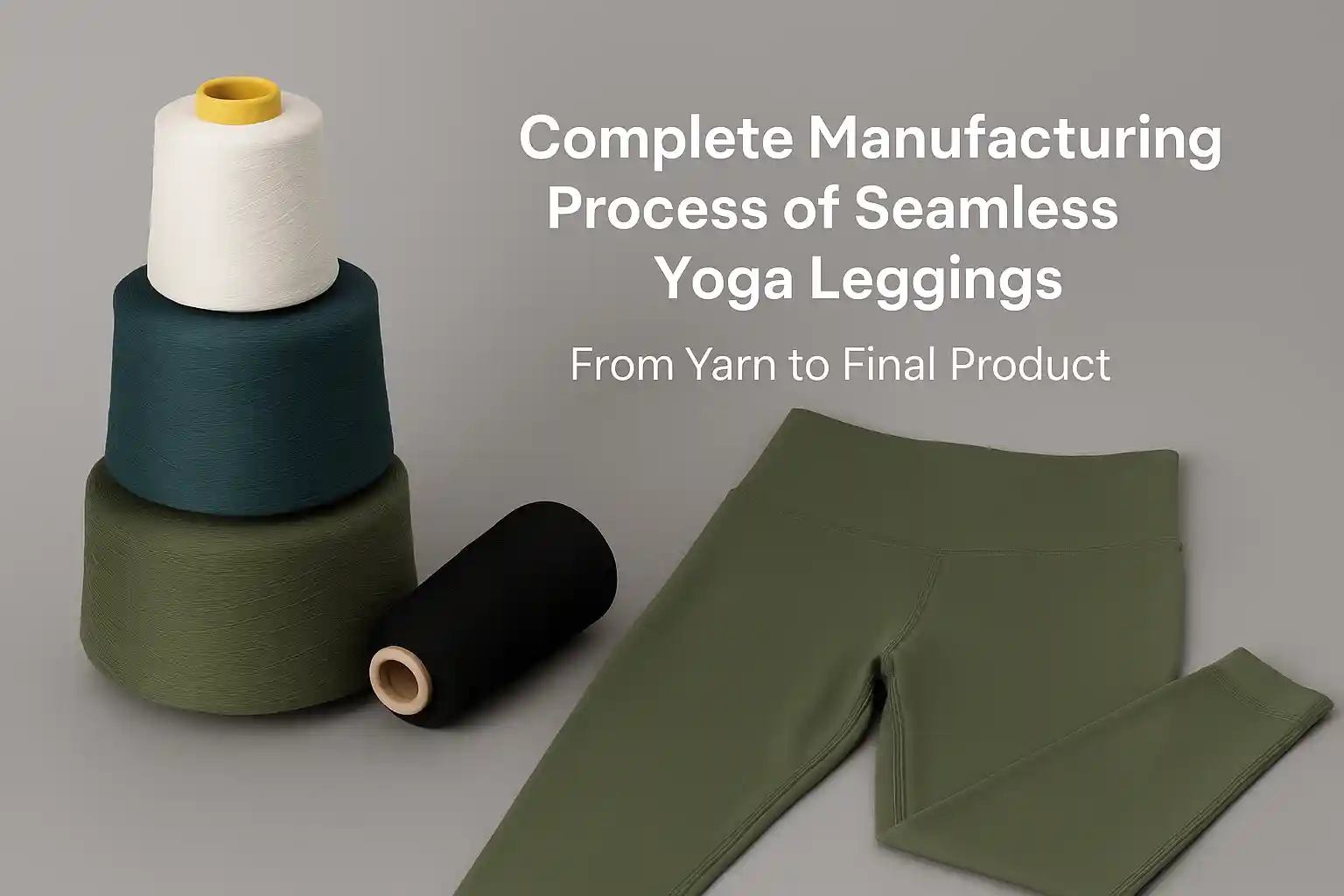
Yoga leggings have become a central piece of activewear, combining style, comfort, and performance. However, producing high-quality leggings consistently at scale is a complex process. Yoga leggings manufacturers face a variety of challenges that impact design, material selection, production efficiency, and supply chain management. Understanding these challenges helps brands appreciate the effort behind creating reliable, comfortable, and stylish leggings.
Material Sourcing and Quality
One of the primary challenges faced by yoga leggings manufacturers is sourcing high-quality materials. Yoga leggings require fabrics that combine stretch, durability, breathability, and moisture management. Common materials include spandex, nylon, polyester, bamboo fibers, and organic cotton.
A trusted Yoga Leggings Manufacturers ensures access to consistent, high-quality fabrics and provides guidance on the best material blends for specific performance requirements. However, fluctuations in fabric availability, rising costs, or inconsistent quality from suppliers can create production delays and affect the final product’s comfort and durability. Manufacturers must establish strong supplier relationships and conduct thorough testing to mitigate these risks.
Maintaining Accurate Sizing
Ensuring accurate sizing across different body types is a significant challenge. Yoga leggings must accommodate a full range of motion without restricting movement, sagging, or losing shape. Manufacturers need to create detailed size charts, conduct sample fittings, and test fabric stretch and recovery to ensure leggings fit consistently.
Scaling patterns for multiple sizes while maintaining proper compression and comfort adds complexity to production. Inaccurate grading can result in leggings that do not fit as intended, leading to increased returns and customer dissatisfaction. Manufacturers must carefully balance elasticity, fabric behavior, and pattern design to produce leggings that meet consumer expectations.
Complex Designs and Customization
Modern yoga leggings often feature intricate designs, vibrant prints, and functional elements like high-rise waistbands, mesh panels, and compression zones. Producing these designs in bulk presents challenges in pattern placement, color accuracy, and alignment.
Manufacturers need advanced printing technologies, such as sublimation and digital printing, to reproduce complex graphics accurately. Misalignment or poor print quality can compromise the visual appeal of leggings and reduce their market value. Balancing aesthetics with performance requires precise manufacturing processes and skilled labor.
Production Efficiency and Bulk Orders
Meeting demand for bulk orders is another challenge for yoga leggings manufacturers. Efficient production requires careful planning, resource allocation, and workflow optimization. Delays in one stage of production, such as fabric cutting or stitching, can affect the entire order schedule.
Managing large orders while maintaining quality and consistency requires robust quality control processes. Manufacturers must implement in-line inspections, final audits, and strict adherence to production standards to ensure that every pair of leggings meets specifications.
Sustainability Considerations
Sustainability is an increasingly important factor for brands and consumers. Manufacturers face challenges in sourcing eco-friendly fabrics, using low-impact dyes, and minimizing waste during production. Sustainable fabrics, such as recycled polyester, organic cotton, and bamboo, may have higher costs or limited availability, complicating bulk production.
Integrating sustainable practices without compromising comfort, stretch, or durability requires innovation and careful planning. Manufacturers must balance environmental responsibility with performance and affordability to meet modern market demands.
Supply Chain and Logistics
Coordinating a reliable supply chain is critical for timely delivery of yoga leggings. Manufacturers face challenges related to shipping delays, customs clearance, and coordination between multiple suppliers. Global events, such as transportation disruptions or raw material shortages, can further complicate the supply chain.
Effective logistics management is necessary to maintain inventory levels, meet delivery deadlines, and reduce costs. Manufacturers need robust tracking systems, contingency planning, and strong communication with suppliers and logistics partners to navigate these challenges.
Labor and Skilled Workforce
Producing high-quality yoga leggings requires skilled labor, especially for tasks such as stitching, embroidery, and quality inspection. Shortages of trained personnel or inconsistent workmanship can affect product quality and lead times.
Manufacturers must invest in training programs, quality control protocols, and efficient production workflows to maintain standards while scaling up operations. Retaining a skilled workforce is essential for delivering consistent, high-quality leggings that meet market expectations.
Conclusion
Yoga leggings manufacturers face numerous challenges, including sourcing high-quality fabrics, maintaining accurate sizing, producing complex designs, managing bulk production, integrating sustainability, coordinating supply chains, and ensuring skilled labor. Overcoming these obstacles requires careful planning, advanced technology, and strong partnerships with suppliers and logistics providers. Partnering with experienced Yoga Leggings Manufacturers ensures access to expertise, reliable materials, and proven production practices. By addressing these challenges, manufacturers can produce leggings that combine comfort, performance, and style, ultimately meeting consumer expectations and supporting brand success in a competitive activewear market.