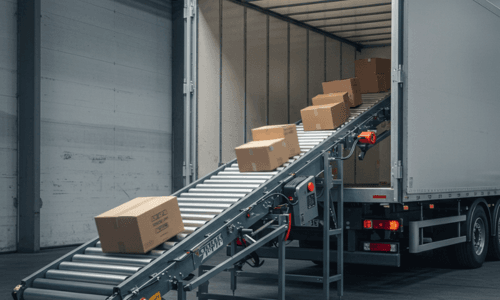
Lorry loading conveyors are essential assets in modern warehouses and logistics operations, ensuring the smooth and efficient transfer of goods from storage areas into trucks. These systems improve productivity, reduce labor costs, and enhance workplace safety. However, their efficiency and longevity depend largely on proper maintenance. Regular and systematic maintenance not only prolongs the life of a lorry loading conveyor but also prevents operational downtime, costly repairs, and safety hazards.
A Lorry Loading Conveyor operates under heavy loads and continuous use, making it susceptible to wear and tear if not properly maintained. Establishing a comprehensive maintenance routine is critical to preserving its performance. From routine inspections to lubrication, electrical checks, and component replacements, each maintenance step contributes to the reliability and durability of the system.
Routine Inspection and Monitoring
The first step in ensuring long-lasting performance is regular inspection. Operators should visually examine the conveyor daily for signs of wear, damage, or misalignment. Key areas to inspect include the conveyor belt, rollers, motors, structural frames, and safety guards. Any unusual noise, vibration, or irregular movement should be reported and addressed immediately.
In addition to manual inspections, some modern lorry loading conveyors are equipped with monitoring sensors that track belt tension, motor load, and operational speed. These real-time monitoring systems allow maintenance teams to detect early signs of issues, preventing small problems from escalating into costly failures.
Lubrication and Mechanical Maintenance
Proper lubrication of moving parts is crucial for minimizing friction, reducing wear, and maintaining smooth operation. Bearings, gears, chains, and rollers require routine lubrication based on the manufacturer’s specifications. Over-lubrication or using the wrong type of lubricant can damage components, so it is essential to follow recommended practices.
Mechanical maintenance also includes checking fasteners, ensuring belt alignment, and tightening any loose parts. Misaligned belts or rollers can increase wear and strain on motors, potentially leading to breakdowns. By addressing these issues proactively, facilities can maintain optimal conveyor performance and extend its operational life.
Belt and Roller Maintenance
The conveyor belt is one of the most critical components of a lorry loading conveyor. Regular inspection for fraying, tears, or uneven wear is essential. Worn belts reduce efficiency, increase the risk of product damage, and can cause safety hazards. Adjusting the belt tension and ensuring proper alignment can prevent these issues and maintain consistent performance.
Similarly, rollers should be examined for wear, corrosion, or mechanical damage. Proper lubrication of roller bearings and timely replacement of worn rollers ensures smooth operation, prevents disruptions, and maintains load-handling capabilities. Preventive replacement is often more cost-effective than emergency repairs during operational delays.
Electrical System Checks
Electrical components, including motors, wiring, and control panels, play a vital role in the operation of lorry loading conveyors. Regular electrical inspections help identify loose connections, overheating, or insulation wear. Preventive checks minimize the risk of short circuits, motor failure, and unexpected downtime.
Emergency stop buttons, sensors, and safety switches must also be tested periodically to ensure they function correctly. Maintaining a reliable electrical system is essential not only for performance but also for operator safety.
Cleaning and Environmental Maintenance
Dust, debris, and spilled materials can accumulate on conveyor belts and rollers, causing operational inefficiency and accelerating wear. Regular cleaning is essential to maintain smooth operation and prevent blockages. Depending on the warehouse environment, conveyors may require daily, weekly, or monthly cleaning schedules.
Environmental conditions such as humidity, temperature fluctuations, or exposure to corrosive substances can also affect the durability of the conveyor. Protective coatings and careful placement of the system in controlled areas can help mitigate environmental damage.
Scheduled Preventive Maintenance
Implementing a preventive maintenance schedule is crucial for long-term performance. Preventive maintenance involves performing comprehensive inspections, replacing worn components, lubricating moving parts, and testing system functionality at regular intervals. This proactive approach reduces the likelihood of unexpected breakdowns and extends the service life of the conveyor.
Maintenance logs and checklists help track performed tasks and identify recurring issues, enabling better planning and resource allocation for repairs and replacements.
Operator Training and Awareness
Properly trained operators play a vital role in maintaining lorry loading conveyors. Training should include safe operating procedures, daily inspection routines, and early detection of potential issues. Educated operators are more likely to notice minor problems before they escalate, ensuring smooth and safe operation.
Periodic refresher courses and updates on new maintenance practices or safety protocols help maintain consistent performance and prevent accidents caused by improper handling.
Conclusion
Long-lasting lorry loading conveyors require a structured maintenance program that includes routine inspections, mechanical and electrical upkeep, belt and roller care, cleaning, preventive maintenance, and operator training. Following these maintenance requirements ensures optimal performance, minimizes downtime, prolongs equipment life, and enhances safety in warehouse operations. By investing time and resources into proper maintenance, facilities can achieve reliable, efficient, and cost-effective material handling solutions, ensuring that lorry loading conveyors remain a valuable asset for years to come.