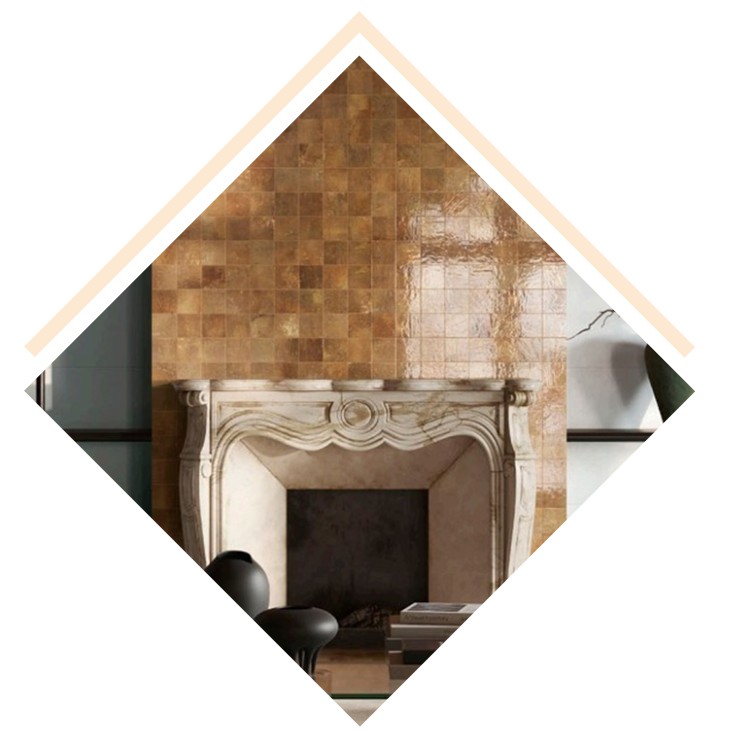
Picking a ceramic kitchen backsplash or glass mosaic backsplash tiles is a big decision for any homeowner. Your backsplash does more than just stop grease splashes. It acts as the visual focal point of your entire kitchen. A ceramic kitchen backsplash offers a classic, earthy feel that fits almost any budget. On the other hand, glass mosaic backsplash tiles bring a modern, reflective glow that can make small spaces feel much larger. Both materials have unique strengths and a few weaknesses. In this guide, we will break down the costs, durability, and style of each option. You will see how these materials perform in real-world kitchens. We want to help you make an informed choice that looks great for years.
Introducing BELK Tile
Before we get into the details, you should know about the experts in the field. BELK Tile is a premier online source for high-quality tiling solutions. They offer a massive selection of unique patterns and materials for every room in your house. You can find their full collection at www.belktile.com.
Why a Ceramic Kitchen Backsplash is a Timeless Choice
Ceramic has been a staple in kitchens for decades. It is made from natural clay that is shaped and fired in a kiln. This process makes the tile very hard and heat-resistant. For many people, a ceramic kitchen backsplash is the “gold standard” of home renovation.
The Benefits of Ceramic
Ceramic is famous for being easy to work with. You can cut it with simple tools. This makes it a favorite for DIY fans. It comes in thousands of colors and textures. You can find ceramic that looks like handmade brick or even polished stone.
It is also very affordable. If you are on a tight budget, ceramic gives you the most “bang for your buck.” It resists stains well once it is glazed. You can wipe away tomato sauce or oil with a damp cloth. This material also handles heat from the stove without cracking or melting.
The Downsides of Ceramic
Ceramic is tough, but it can chip if hit by a heavy pot. The color is usually only on the surface glaze. If it chips, you might see the red or white clay underneath. Some ceramic tiles are also porous. This means you must ensure the glaze is high quality. Otherwise, moisture could seep in over time.
The Modern Appeal of Glass Mosaic Backsplash Tiles
If you want your kitchen to shine, glass mosaic backsplash tiles are the way to go. These tiles are made from thin pieces of glass attached to a mesh backing. This makes them easier to install on curved walls or tight corners.
Why Homeowners Love Glass
Glass has a unique way of playing with light. It reflects the sun and your under-cabinet lighting. This makes the kitchen feel bright and airy. Glass mosaic backsplash tiles are also non-porous. They do not absorb any liquids or smells. This makes them one of the most hygienic options for a cooking space.
You can find glass in translucent, opaque, or frosted finishes. Some even have metallic bits inside for extra sparkle. They give a “designer” look that feels high-end and custom.
The Challenges with Glass
Glass is usually more expensive than ceramic. The material costs more and the installation is trickier. You can see the thinset (the glue) through clear glass tiles. This means the installer must be very precise.
Glass can also scratch if you use abrasive cleaners. You have to use soft cloths and gentle soaps. While it is heat resistant, cheap glass can sometimes crack if exposed to extreme temperature changes very quickly.
Comparing the Two: Side-by-Side
Choosing between a ceramic kitchen backsplash and glass mosaic backsplash tiles often comes down to your personal style. Ceramic feels warm and traditional. Glass feels cool and contemporary.
Ceramic is thicker and feels more substantial. Glass is thinner but adds a sense of depth. If you want a farmhouse look, go with ceramic. If you want a luxury condo vibe, glass is your winner.
Maintenance and Cleaning
Both materials are relatively easy to clean. However, the grout is often the real problem. Since glass mosaic backsplash tiles are small, they have many grout lines. More grout means more areas that could potentially stain. Ceramic tiles are often larger. This results in fewer grout lines and less scrubbing.
Installation Tips
If you plan to do the work yourself, ceramic is much more forgiving. You can hide small mistakes more easily. Glass requires a special diamond blade for cutting. If you use the wrong blade, the glass will shatter or jagged edges will form.
Real-World Examples
Imagine a kitchen with dark wood cabinets and white quartz counters. A white ceramic kitchen backsplash in a subway pattern adds a clean, rustic touch. It feels grounded. Now, imagine that same kitchen with a blue glass mosaic backsplash tiles instead. Suddenly, the room feels like a coastal retreat. The light bounces off the blue glass and makes the whole room feel energetic.
BELK Tile stocks both of these styles. They help homeowners find the exact shade to match their vision. Whether you want the subtle matte of ceramic or the high gloss of glass, BELK Tile has options that fit.
Costs and Value
On average, a ceramic kitchen backsplash will cost between $5 and $15 per square foot for materials. Glass mosaic backsplash tiles usually start at $15 and can go up to $50 or more.
Does the higher cost of glass add more value to your home? Not necessarily. Both materials are considered upgrades over a plain painted wall. The “value” comes from how well the material matches the rest of the house. A modern glass backsplash might look out of place in a 100-year-old Victorian home. Ceramic might feel too plain for a brand-new ultra-modern kitchen.
Frequently Asked Questions
Can I mix ceramic and glass?
Yes, you can. Many people use ceramic for the main area and add a strip of glass mosaic backsplash tiles as an accent. This gives you the shine of glass without the high price tag of doing the whole wall.
Which one lasts longer?
Both can last for 20 years or more if installed correctly. Ceramic is better at hiding small scratches. Glass stays looking “new” longer because it does not fade in the sun.
Is glass hard to keep streak-free?
It can be. Just like a window, glass tile shows fingerprints and water spots. A quick spray of vinegar and water usually fixes this. Ceramic is much better at hiding smudges.
Final Verdict: Which Should You Buy?
There is no wrong answer here. It depends on your lifestyle and your eyes.
Choose a ceramic kitchen backsplash if:
- You are on a budget.
- You want a DIY project.
- You prefer a classic or rustic look.
- You want something easy to maintain.
Choose glass mosaic backsplash tiles if:
- You want a “wow” factor.
- Your kitchen is small or dark.
- You love modern, clean designs.
- You want a surface that is 100% waterproof.
Making Your Vision a Reality
The right backsplash ties your whole kitchen together. It protects your walls and expresses your personality. Don’t rush the decision. Order samples and tape them to your wall. See how they look at different times of the day.
If you are ready to start browsing, visit BELK Tile. They have a user-friendly website that makes shopping for tile simple. You can see detailed photos of their ceramic kitchen backsplash options and their stunning glass mosaic backsplash tiles.
Check out their full inventory here: www.belktile.com. On page 10 of their digital catalog, you can find great deals on seasonal patterns.