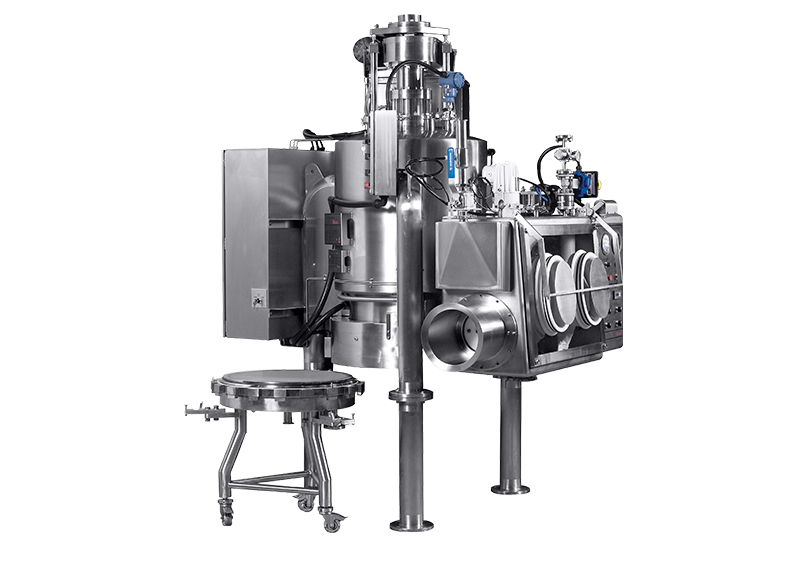
Agitated Nutsche Filters (ANFs) are highly versatile pieces of equipment used in chemical, pharmaceutical, and food processing industries. They provide an integrated solution for solid-liquid separation, washing, and drying in a single enclosed system. Unlike traditional filtration systems, which require multiple steps and separate equipment, ANFs offer improved process efficiency, higher product purity, and enhanced safety. Understanding the key design features of these filters is essential for operators and engineers to optimize performance, maintain product quality, and ensure safe operation.
One of the most critical aspects of an Agitated Nutsche Filter is its agitator system. The agitator is designed to prevent compaction of the filter cake, ensure uniform distribution of solids, and promote efficient washing and drying. Different agitator designs, including paddle, anchor, or plow types, are selected based on the properties of the materials being processed. The agitator also plays a vital role in maintaining consistent particle distribution, which enhances filtration efficiency and prevents channeling or uneven liquid flow.
Jacketed Vessel for Heating and Cooling
A hallmark feature of ANFs is the jacketed vessel. This design allows for heating or cooling of the material within the filter using steam, thermal oil, or other heat transfer fluids. The jacketed vessel ensures uniform temperature distribution across the solid cake, preventing localized overheating and degradation of sensitive products. During drying operations, the combination of agitation and jacketed heating accelerates moisture removal while maintaining product integrity. Additionally, the jacketed design enables temperature control during chemical reactions that may occur within the vessel, adding versatility to the filter’s applications.
Perforated or Sintered Filter Plate
The filter plate is another essential component that directly affects filtration performance. ANFs typically use perforated or sintered metal filter plates that support the filter medium while allowing liquids to pass through. These plates are engineered to withstand high pressures and prevent deformation under vacuum conditions. The choice of filter media, such as cloth, polymer, or metal mesh, can be customized depending on the particle size, chemical compatibility, and process requirements. The combination of a robust filter plate and suitable medium ensures efficient solid-liquid separation and consistent product quality.
Vacuum and Pressure Capabilities
Agitated Nutsche Filters are designed to operate under vacuum, pressure, or a combination of both. Vacuum operation accelerates liquid removal during filtration, while pressure can be applied to enhance the separation of viscous slurries or dense solids. The vessel is typically equipped with pressure relief valves and safety interlocks to prevent over-pressurization and maintain operator safety. The ability to control vacuum and pressure precisely allows manufacturers to optimize cycle times, improve throughput, and handle a wide range of materials.
Sealing and Containment Systems
Safety and containment are critical considerations in ANF design. These filters feature high-quality mechanical seals, gaskets, and O-rings to prevent leaks of hazardous or toxic materials. The enclosed vessel reduces operator exposure and minimizes contamination risks, making the system suitable for handling pyrophoric, flammable, or toxic substances. Advanced sealing designs also maintain vacuum integrity during filtration and drying operations, ensuring consistent performance and reliable operation.
Agitation Control and Automation
Modern ANFs often incorporate automated systems for controlling agitation speed, vacuum levels, temperature, and washing cycles. This automation enhances reproducibility, reduces human error, and improves overall efficiency. Operators can monitor and adjust key process parameters in real-time through a human-machine interface (HMI) or programmable logic controller (PLC). Automation also supports predictive maintenance by providing data on wear, vibration, and system performance, which helps prevent downtime and prolong equipment lifespan.
CIP and SIP Compatibility
Clean-in-place (CIP) and steam-in-place (SIP) compatibility is another important design feature. These systems allow thorough cleaning and sterilization of the vessel, agitator, and filter surfaces without disassembly. CIP ensures the removal of residual solids and contaminants, while SIP provides sterilization, which is critical in pharmaceutical and food production. These features not only maintain hygiene and product quality but also reduce downtime and labor costs associated with manual cleaning.
Customization and Scalability
Agitated Nutsche Filters are highly customizable to meet specific process requirements. Parameters such as vessel size, agitator type, filter media, and heating method can be tailored to optimize performance for a particular material or application. The scalable design allows manufacturers to transition from laboratory-scale experiments to full industrial production without compromising filtration efficiency or product quality. This adaptability makes ANFs a cost-effective and versatile solution for a wide range of industries.
In conclusion, the key design features of Agitated Nutsche Filters—such as the agitator system, jacketed vessel, robust filter plate, vacuum and pressure capabilities, sealing systems, automation, CIP/SIP compatibility, and customization options—collectively enhance filtration efficiency, product quality, and operational safety. Understanding these design elements allows operators to optimize performance, reduce contamination risks, and maintain reliable operation across diverse industrial applications. ANFs remain an essential tool for modern production processes that demand precision, efficiency, and safety.