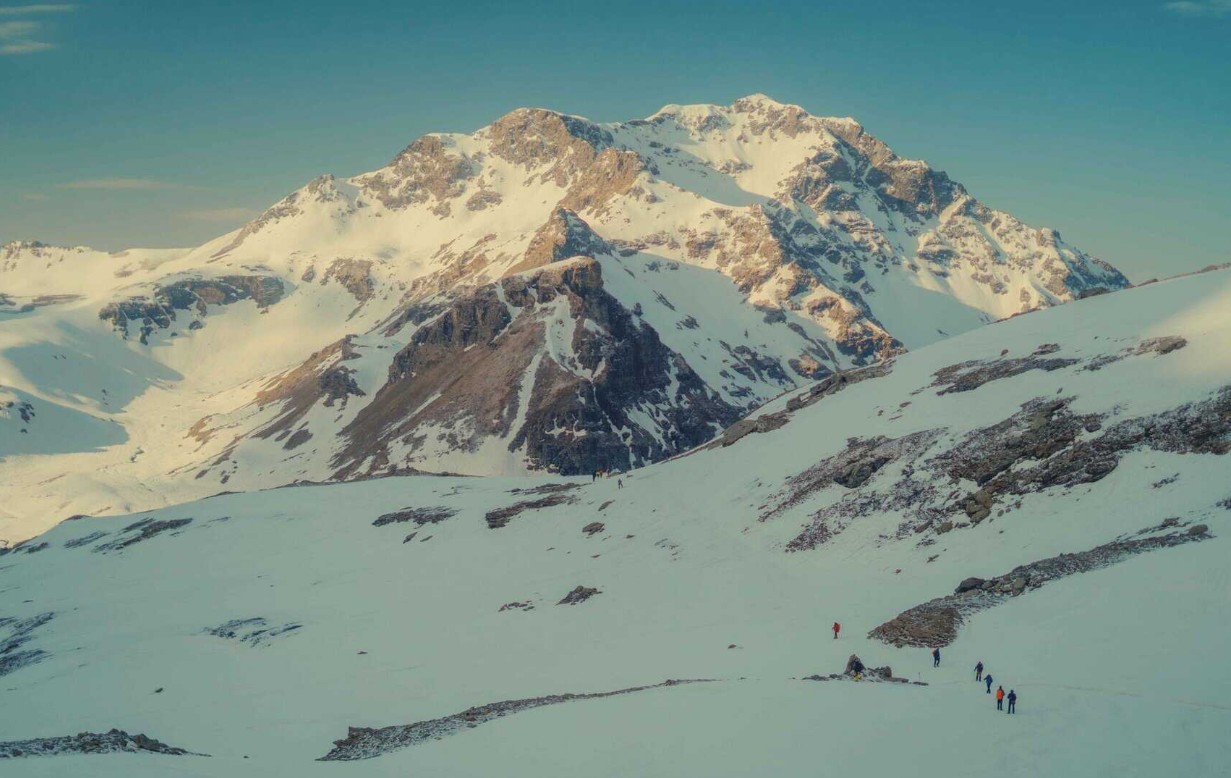
When you think of winter treks in India, the Kedarkantha Trek often tops the list. It is like the perfect storybook adventure — snow-laden pine forests, charming wooden huts, and a summit view that feels like standing on the edge of the world. Nestled in Uttarakhand’s Govind Wildlife Sanctuary, this trek is often called the “Queen of Winter Treks,” and for good reason.
If you’re curious about what makes it so special, how to prepare, and what to expect, this blog is your complete guide. Written in a friendly, simple way, it’ll feel like a conversation with a friend who’s been there. We’ll also draw relatable comparisons with Trekking, Kuari Pass Trek, another popular Himalayan adventure, to give you a better idea of the experience.
Why Choose Kedarkantha Trek?
The Kedarkantha Trek is a magical combination of accessibility, beauty, and adventure. Whether you are a first-time trekker or someone with a bit of experience, this trek offers the right balance.
- Scenic Landscapes – Snowy pine forests, frozen lakes, and wide-open meadows.
- Panoramic Views – From the summit, you can see famous peaks like Swargarohini, Bandarpoonch, and Black Peak.
- Beginner-Friendly – With the right preparation, even those new to trekking can complete it.
- Winter Wonderland – During December to March, it turns into a snow paradise.
Compared to Trekking, Kuari Pass Trek, Kedarkantha feels more intimate and fairy-tale-like, while Kuari Pass offers more expansive Himalayan views. Both are stunning, but Kedarkantha often feels like walking through a snow globe.
Best Time to Visit Kedarkantha
The trek is open almost throughout the year, but its beauty varies with seasons:
- Winter (Dec–March) – The most popular time. Thick snow makes it feel magical.
- Spring (April–May) – Meadows bloom with wildflowers.
- Autumn (Sept–Nov) – Clear skies and crisp views of Himalayan peaks.
Unlike Trekking, Kuari Pass Trek, which is best enjoyed in summer and early winter, Kedarkantha is most famous for its deep winter charm.
How to Reach the Starting Point
The trek begins from a quaint village called Sankri in Uttarkashi district.
- By Air – Fly to Dehradun’s Jolly Grant Airport.
- By Train – Reach Dehradun railway station and then travel by road.
- By Road – Shared taxis and buses connect Dehradun to Sankri (about 8–9 hours).
Reaching Sankri itself feels like the beginning of an adventure — winding mountain roads, little tea stalls, and the occasional sight of snowy peaks in the distance.
The Route and Trek Itinerary
The Kedarkantha Trek is usually 4 to 6 days long, depending on your pace.
- Day 1: Sankri to Juda Ka Talab
A beautiful frozen lake surrounded by pine trees. - Day 2: Juda Ka Talab to Kedarkantha Base Camp
Meadows open up, and the peaks start to reveal themselves. - Day 3: Base Camp to Kedarkantha Summit (and back)
The most thrilling part — starting at dawn to catch the sunrise from the summit. - Day 4: Back to Sankri
The return feels bittersweet as you leave the magical trails behind.
The climb to the summit is steep but rewarding. Imagine the first rays of sunlight painting the Himalayas in shades of pink and gold — that’s a memory you’ll never forget.
What Makes the Summit View Unique?
Standing on Kedarkantha’s summit feels like being on top of the world. From this 12,500 ft peak, you can spot:
- Swargarohini Peak – Associated with the legendary path to heaven.
- Bandarpoonch – Its name translates to “monkey’s tail.”
- Kala Nag (Black Peak) – A trekker’s favorite.
- Har Ki Dun Valley – Another famous trekking region nearby.
It’s different from Trekking, Kuari Pass Trek, where the highlight is the distant Nanda Devi peak. Kedarkantha surrounds you with 360-degree views, making it feel more immersive.
Accommodation and Food on the Trek
You won’t find fancy hotels, but that’s part of the charm.
- Camping – Tents at Juda Ka Talab and base camp.
- Village Homestays – In Sankri, cozy wooden homes welcome trekkers.
- Meals – Simple, nourishing food like dal, rice, chapati, and sabzi. Hot tea and soup become your best friends in the cold.
Tips for First-Time Trekkers
If you’re new to trekking, Kedarkantha is a great starting point. A few friendly tips:
- Pack Smartly – Carry layered clothing, woolen socks, gloves, and a good sleeping bag.
- Break in Your Shoes – Trekking boots should be comfortable before the trip.
- Stay Hydrated – Even in the cold, your body loses water.
- Pace Yourself – Trekking isn’t a race. Enjoy the journey.
- Carry a Trekking Pole – It helps on snowy, slippery paths.
Why People Fall in Love with Kedarkantha
The Kedarkantha Trek is not just about reaching a summit. It’s about everything along the way — laughter with fellow trekkers, warm bonfire nights, the hush of falling snow, and the joy of waking up to Himalayan sunrises.
For many, it feels like a personal connection with nature. You don’t just walk through landscapes; you live them.
Kedarkantha vs Other Treks
When comparing Kedarkantha with other popular Himalayan treks:
- Kedarkantha vs Kuari Pass Trek
- Kedarkantha: Best in winter, fairy-tale forests, 360° summit views.
- Kuari Pass: Best in summer/autumn, wide-open meadows, Nanda Devi views.
- Kedarkantha vs Sandakphu
- Kedarkantha: Shorter, more snow adventure.
- Sandakphu: Longer trek with Everest views.
Both Kuari Pass and Kedarkantha are beginner-friendly, but Kedarkantha is more snow-centric.
Final Thoughts
If you’ve always dreamed of walking in snowy pine forests, climbing to a summit, and feeling the thrill of conquering the Himalayas, then Kedarkantha should be on your bucket list.
It’s beginner-friendly yet rewarding, scenic yet adventurous. And much like Trekking, Kuari Pass Trek, Kedarkantha offers you not just a trail but an unforgettable experience.
So, pack your bags, lace up your boots, and get ready to step into a winter wonderland where every turn feels like magic.