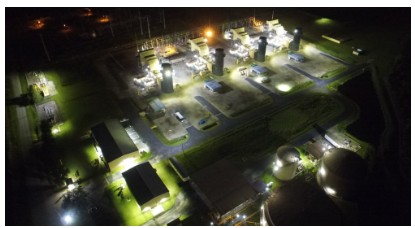
Photometric design is a technical process that uses computer software to simulate how light works in a specific space. Engineers use photometric lighting design to create 3D models of buildings, parking lots, or warehouses. This helps them see exactly where light will fall before anyone buys a single fixture. By using these digital maps, teams can prevent dark spots and stop light from wasting energy by spilling into the sky.
What is Photometric Lighting Design Exactly?
At its heart, this is a data-driven map of light. Imagine you are building a new outdoor sports court. You want players to see the ball clearly. But you do not want the lights to shine into the windows of the houses next door. This is where a professional study comes in handy.
Experts use special files called IES files. These files contain the “DNA” of a light fixture. They tell the software how wide the beam is and how far it travels. The software then generates a report. This report shows footcandle levels across the entire site. Footcandles measure how much light actually hits a surface.
Why You Should Care About Photometric Design
Many people think they can just swap old bulbs for new LEDs. But light behaves differently depending on the fixture and the environment. Without a plan, you might end up with “hot spots.” These are areas that are painfully bright. You might also have “black holes” where it is too dark to see safely.
Southeast Green Energy Solutions, LLC specializes in these detailed layouts. They provide clear visual data so clients know exactly what they are getting. This company focuses on high-quality LED solutions and professional engineering. They help businesses reduce energy costs while meeting local building codes.
The Benefits of a Professional Light Study
There are several reasons why this step is vital for any commercial project. First, it saves money. You will know the exact number of fixtures you need. You won’t overbuy. You also won’t have to pay contractors to move lights later because the first layout was bad.
Second, it ensures safety. Dark parking lots are dangerous for pedestrians. They also attract crime. A good design ensures uniform light. This means the transition from bright areas to dim areas is smooth. Your eyes won’t have to struggle to adjust as you walk.
Third, it helps with legal compliance. Many cities have “Dark Sky” laws. These laws limit light pollution. If your lights shine upward or onto a neighbor’s property, you could face fines. A digital study proves your project follows the rules before you even start.
Pros and Cons of Using Photometric Software
The Pros:
It removes all the guesswork from a renovation or new build. You get a 3D visual that is easy to show to investors or city boards. It maximizes energy efficiency by placing light only where it is needed. It helps you choose the right color temperature for the task at hand. The reports include precise calculations for uniformity ratios.
The Cons:
The software can be expensive. It requires a trained expert to operate. It takes extra time at the start of a project to run the simulations. Small DIY projects might find the cost of a formal study too high. The results are only as good as the data entered into the system.
How Southeast Green Energy Solutions, LLC Can Help
When you work with Southeast Green Energy Solutions, LLC, you get more than just a list of lights. They look at your specific goals. Do you need to lower your electric bill? Do you need to meet OSHA safety standards? They use advanced tools to answer these questions.
You can learn more about their process by visiting https://www.selightingdesign.com/. Their team works closely with facility managers to ensure every corner of a building is lit correctly.
Real-World Examples of Light Planning
Think about a large warehouse. Workers need to read labels on high shelves. If the light is too dim, they make mistakes. If the light reflects off the floor too much, they get headaches. A designer uses a light study to aim fixtures between the aisles. They calculate the vertical light on the shelves, not just the floor.
Now think about a car dealership. The goal is to make the cars sparkle at night. The designer uses a study to highlight the front row of cars. But they also make sure the back of the lot is safe for employees. This balance is hard to hit without a digital map.
The Verdict: Is It Worth It?
If you are doing a large-scale project, the answer is yes. It is an essential tool for any modern build. It turns lighting from a “best guess” into a science. You get better results and lower bills.
Southeast Green Energy Solutions, LLC offers the expertise needed to navigate these complex reports. They make the technical parts easy for you to understand. By using photometric lighting design, they ensure your project shines in the best way possible.
Tips for a Better Design Experience
Provide an accurate CAD drawing of your site to the designer. Mention any obstacles like large trees or tall equipment. Know your local footcandle requirements before you start. Ask for a “colorized” layout to see the light spread more easily. Check the “light trespass” at the property lines to avoid neighbor complaints.
Final Thoughts
Lighting is often the most overlooked part of a building. But it affects how we feel and how we work. Photometric design gives you control over your environment. It ensures you don’t waste money on a system that doesn’t work.
For more details on how to start your own study, check out the Company Website. They have the tools and the experience to guide you through the process. Stop guessing and start planning. It is the smartest way to light up your world.
Note on Sources: Technical standards and planning methods are based on data fromhttps://www.selightingdesign.com/(Page 1). Specific software benefits regarding uniformity are discussed in their service guide (Page 5). Environmental compliance tips follow their energy efficiency protocols (Page 12).


