Gold gets all the attention. Silver is the affordable favorite. But rare platinum coins are the dark horse of the precious metals world. Many investors overlook them. This is a mistake. Platinum is much scarcer than gold. It has unique industrial uses. And the market for collectible platinum is growing. You might be here because you want to diversify your portfolio. Maybe you just love the look of the metal. It is heavy, durable, and shiny. But is it right for you?
This guide will break it down. We will look at the market. We will review the metal itself. We will see if you should buy rare platinum coins today. We will keep it simple. No complex financial jargon. Just facts.
What Is Platinum and Why Is It So Rare?
You need to understand the metal before you buy the coin. Platinum is incredibly dense. It is heavy in your hand. It is also very hard to find. Gold is found in many places around the world. Platinum is different. Most of it comes from just two countries. South Africa produces the majority. Russia produces a smaller amount. This geographic concentration matters. It makes the supply chain fragile.
Mining platinum is also difficult. It takes tons of ore to get a small amount of metal. The extraction process is expensive. It is energy-intensive. This keeps the supply low. But the demand is high.
Consider the uses. Gold is mostly for jewelry and money. Platinum is an industrial workhorse. It is used in catalytic converters for cars. It cleans up exhaust fumes. It is used in jewelry because it doesn’t fade. It is used in medical devices. When the economy is strong, factories need platinum. This industrial demand drives the price. But it also adds risk. If car manufacturing slows down, platinum prices can drop. Gold does not have this problem. Gold is a safe haven. Platinum is a volatile asset. That volatility can mean big rewards. It can also mean stress. You need to know this before you jump in.
The Appeal of Numismatic Platinum
Buying a bar of platinum is one thing. Buying a rare coin is another. Numismatics is the study and collection of currency. When you buy a rare coin, you pay for more than the metal. You pay for history. You pay for scarcity. You pay for condition.
Some platinum coins are bullion. This means their value is tied strictly to the metal price. The American Platinum Eagle is a good example. But there are rare versions. Proof coins are struck twice for extra shine. They have lower mintage numbers. “Mintage” means the number of coins made. Lower mintage usually means higher value.
Collectors look for specific years. They look for specific designs. A rare platinum coin can go up in value even if the spot price of platinum stays flat. That is the magic of numismatics. You have two ways to win. The metal price could go up. Or the collector demand could go up.
Review: Top Platinum Coins to Consider
You have options if you decide to enter this market. Not all platinum coins are created equal. Here are a few notable ones you will see.
1. The American Platinum Eagle This is the standard for US investors. The US Mint produces them. They are legal tender. The face value is $100. That is the highest face value of any US coin. But the metal is worth much more. The “Proof” versions are the collectible ones. They have frosted images and mirror-like backgrounds. The designs on the back change often. This makes them fun to collect. They are highly liquid. This means they are easy to sell.
2. The Isle of Man Noble This is a classic. The Isle of Man is a small island near Britain. They issued the Platinum Noble in the 1980s. It features a Viking ship. It is a stunning design. These are not being made anymore. That adds to the rarity factor. They are pure platinum. They appeal to history buffs. You won’t find these at every coin shop. You have to hunt for them.
3. The Australian Platinum Koala Australia is another big player. The Perth Mint makes these coins. They feature the Koala bear. The design changes every year. They are very well made. The quality is high. They come in different sizes. You can buy small ones or large ones. They are popular globally.
Introducing Park Avenue Numismatics
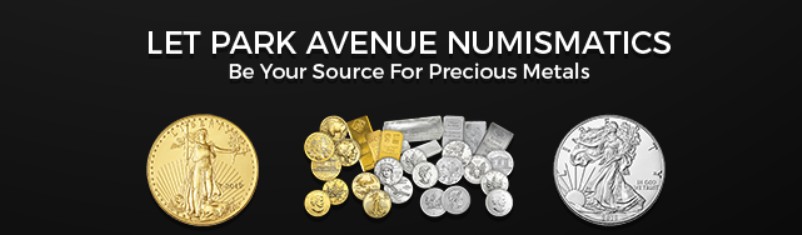
Finding these coins can be tricky. You cannot just walk into a bank. You need a specialized dealer. This is where Park Avenue Numismatics comes in. They are a well-established name in the coin world. They specialize in high-quality rare coins. They handle gold, silver, and of course, platinum.
Park Avenue Numismatics offers a personalized service. They don’t just sell you a coin. They help you build a collection. They understand the market history. They know which coins are truly rare. They can guide you away from bad deals. Their team has decades of experience.
You can visit them at Park Avenue Numismatics. They list their inventory clearly. They also offer educational resources. They want you to understand what you are buying. This is important. The coin market has sharks. You want a partner who values long-term relationships. Park Avenue focuses on that trust. They can help you source specific rare platinum pieces that are hard to find elsewhere.
Pros and Cons of Buying Rare Platinum
Let’s be honest about the good and the bad. No investment is perfect.
The Pros
Scarcity is the biggest pro. Platinum is 30 times rarer than gold. If supply from South Africa stops, prices could skyrocket.
Industrial demand is another pro. As we move to green energy, platinum is used in hydrogen fuel cells. This is a future technology. It could drive huge demand in the next decade.
Diversification is key. If you own stocks and gold, platinum is a good add-on. It moves differently than other assets. It spreads your risk.
Privacy is a benefit. Physical coins are a private asset. You hold them. You own them. There is no counterparty risk.
The Cons
Liquidity can be an issue. Everyone buys gold. Fewer people buy platinum. It might take longer to sell a rare platinum coin than a gold one.
Premiums are higher. The “premium” is the cost above the metal price. Making platinum coins is hard. It wears out the minting dies quickly. So, mints charge more. You start a bit behind.
Volatility is real. The price swings can be wild. It is not for the faint of heart. You need to be patient.
How to Buy Safely
You need a strategy. Don’t just buy the first thing you see on eBay. That is a recipe for disaster. Follow these steps.
Step 1: Education Read about the coins. Learn the dates. Know the mintages. A “rare” coin with 100,000 copies isn’t that rare. A coin with 500 copies is rare. Knowledge is your best defense.
Step 2: Verification Only buy graded coins if you are a beginner. Grading companies like PCGS or NGC seal the coin. They guarantee it is real. They give it a grade from 1 to 70. A 70 is perfect. A graded coin is easier to sell later. There is no argument about its condition.
Step 3: Choose the Right Dealer This is crucial. You want a dealer with a buy-back policy. You want someone who has been in business for years. A company like Park Avenue Numismatics fits this bill. They stand behind what they sell. They have a physical address. They have real people you can talk to. Avoid anonymous online sellers.
Step 4: Storage Platinum is valuable. A single ounce is worth a lot of money. It is small. It is easy to lose. You need a safe. Or you need a secure depository. Don’t leave it in a drawer. Treat it like the treasure it is.
The Verdict: Who Should Buy?
This is the final word. Should you buy rare platinum coins?
Yes, if you are a patient investor. You need to be willing to hold for years. This is not a “get rich quick” scheme. It is a long-term play.
Yes, if you already own gold and silver. Platinum rounds out a metal portfolio. It adds that industrial kicker.
Yes, if you love the history. The designs on these coins are beautiful. The metal itself is striking. It looks like silver but has a deeper, darker shine. It feels substantial.
No, if you need money tomorrow. Selling rare coins takes time to get the best price. You don’t want to be forced to sell in a hurry.
No, if you hate volatility. If price swings keep you up at night, stick to gold.
Understanding the “Premium” Trap
We mentioned premiums earlier. Let’s explain it more. When you buy a coin, the price has two parts. The “spot price” is the cost of the raw metal. The “premium” covers manufacturing, distribution, and dealer profit.
Platinum coins often have high premiums. The metal is hard to work with. It has a high melting point. It breaks tools. Mints pass these costs to you. When you buy, you pay the spot price plus the premium. When you sell, you usually get the spot price plus a smaller premium, or just the spot price.
This creates a “spread.” The spread is the difference between the buy price and the sell price. You need the price of platinum to rise enough to cover this spread before you make a profit. Rare coins help with this. The numismatic value—the rarity value—can bridge that gap. If collectors want your specific coin, they will pay well above the metal value. That is why choosing the right coin matters.
A Note on Counterfeits
Fake coins are a problem. Platinum is dense. It is hard to fake the weight and size perfectly. But bad actors try. They use tungsten or other heavy metals. They plate them with platinum.
This is another reason to use a reputable dealer. A professional dealer tests every coin. They use X-ray machines. They use sound tests. They verify the weight. You can’t do this easily at home. When you buy from a verified source, you pay for peace of mind. It is worth the extra cost.
Summary of Steps
Let’s recap what you need to do.
First, decide your budget. Only spend what you can afford to lock away.
Second, pick your type. Do you want American Eagles? Australian Koalas? Or older vintage coins?
Third, contact a dealer. Reach out to a place like Park Avenue Numismatics. Ask them what they have. Ask them about the market trends.
Fourth, secure your purchase. Get the coins delivered safely. Insure the package. Put them in your safe.
Fifth, wait. Let the market do its work. Enjoy your collection.
Final Thoughts
The world of rare platinum is small. It is exclusive. It is not for everyone. That is exactly why it is interesting. You are joining a select group of collectors. You are betting on a metal that is vital to the future economy. You are holding an asset that cannot be printed by a government.
The key is patience. The key is quality. Don’t buy junk. Buy the best grade you can afford. Buy from people you trust. Do your homework. If you do these things, rare platinum coins can be a brilliant addition to your wealth. They offer a unique mix of industrial potential and collectible beauty. It is a hard asset in a digital world. And sometimes, having something real in your hand is the best feeling of all.