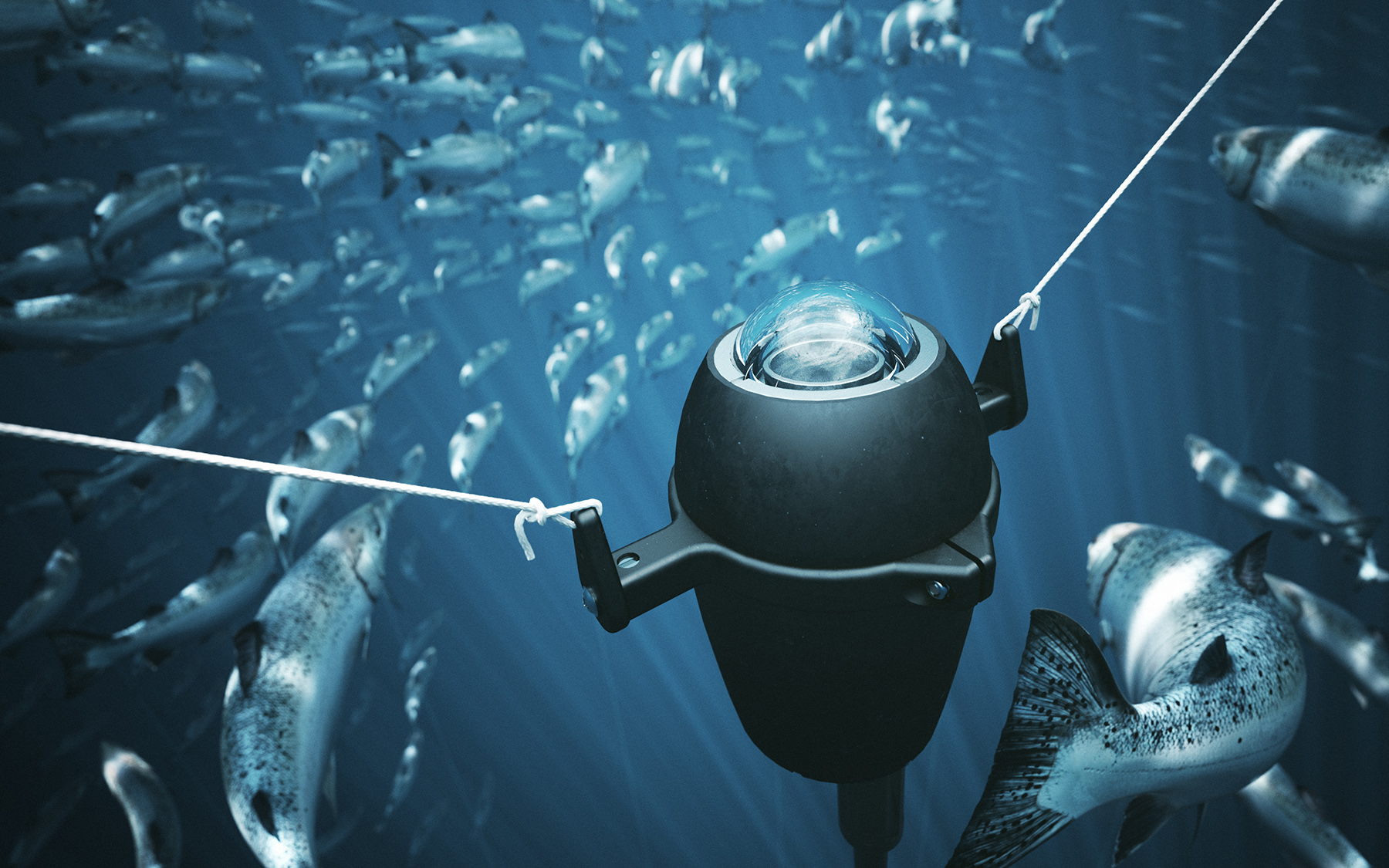
Offshore operations, including oil and gas platforms, wind farms, and underwater infrastructure maintenance, present unique challenges due to their remote locations and harsh environmental conditions. Regular inspection and monitoring of submerged structures are essential to ensure safety, operational efficiency, and compliance with regulatory standards. One tool that has become indispensable in these operations is the underwater inspection camera.
By providing real-time visuals of underwater structures, an underwater inspection camera allows engineers and technicians to assess conditions without exposing personnel to unnecessary risks. This technology has revolutionized the way offshore operations are managed, enabling safer, faster, and more accurate inspections of submerged assets.
Inspecting Subsea Infrastructure
Offshore facilities rely on complex underwater systems, including pipelines, risers, and support structures. Regular inspection is critical to detect corrosion, leaks, or structural weaknesses before they lead to operational failures. Underwater cameras allow operators to visually assess these components in real-time, providing detailed imagery that supports proactive maintenance and decision-making.
Enhancing Safety for Personnel
Working underwater in offshore environments is inherently hazardous. Strong currents, limited visibility, and extreme depths pose risks to divers and crew members. Using an inspection camera reduces the need for direct human exposure by enabling remote monitoring. This enhances safety while still allowing for thorough inspection of critical underwater assets.
Monitoring Environmental Conditions
Offshore operations often occur in ecologically sensitive areas. Environmental compliance requires continuous monitoring to ensure that operations do not negatively impact marine ecosystems. Underwater cameras can document underwater conditions, including sediment levels, marine life activity, and the impact of construction or maintenance activities. This visual evidence supports environmental assessments and regulatory reporting.
Guiding Maintenance and Repairs
When repairs or maintenance are required, precise visual information is crucial. An underwater camera allows operators to assess the severity and location of issues, plan the necessary interventions, and guide remotely operated tools or divers during repairs. This reduces downtime and ensures that maintenance tasks are executed accurately and efficiently.
Documentation and Data Collection
Footage captured during inspections serves multiple purposes beyond immediate assessment. It provides a record for future reference, supports compliance documentation, and can be used for training purposes. High-definition recordings from an underwater camera ensure that every detail of the inspection is preserved, facilitating long-term monitoring and analysis of offshore infrastructure.
Improving Operational Efficiency
By enabling faster inspections and reducing the reliance on divers, underwater cameras significantly improve operational efficiency. Teams can cover larger areas in less time, identify potential problems early, and implement solutions without interrupting ongoing operations. This efficiency translates into reduced costs and enhanced reliability of offshore systems.
Supporting Risk Management
Proactive monitoring with underwater cameras helps identify hazards before they escalate into emergencies. Early detection of structural issues, leaks, or environmental changes allows offshore operators to mitigate risks effectively. By integrating these devices into routine inspection schedules, companies can improve safety, reduce potential losses, and maintain operational continuity.
In conclusion, the underwater inspection camera is a critical tool for offshore operations, providing real-time visuals, enhancing safety, supporting maintenance, and improving operational efficiency. By integrating this technology into inspection and monitoring protocols, offshore operators can protect personnel, maintain infrastructure integrity, and ensure compliance with environmental and safety regulations. Its ability to capture detailed, high-quality footage in challenging underwater conditions makes it an indispensable asset for modern offshore management.