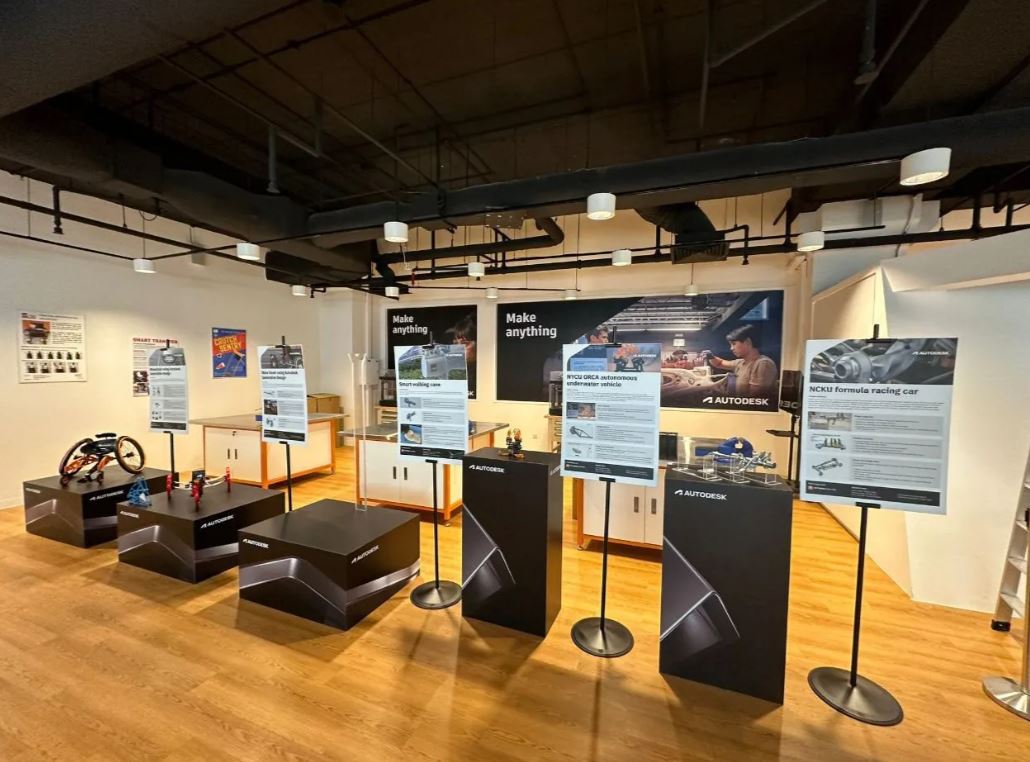
Planning or attending a seminar and conference can sometimes feel overwhelming. Whether you’re on the organizing team or just looking forward to gaining knowledge from experts, these events play a powerful role in professional growth, networking, and sharing ideas. But behind every smooth event is thoughtful planning, a bit of creativity, and the right support—often from corporate event planners who know exactly how to handle the details.
In this guide, let’s explore what makes a seminar or conference impactful, how you can plan or enjoy it stress-free, and why professional planning services matter. We’ll keep things simple, relatable, and packed with practical tips.
What Exactly Is a Seminar and Conference?
Sometimes people confuse these two terms, but they have slightly different purposes:
- Seminar: Usually smaller in size, more interactive, and focused on a specific topic. Think of it like a classroom setting where there’s a speaker, and attendees can ask questions and share thoughts.
- Conference: Larger and more formal, often involving multiple speakers, panels, or breakout sessions. Imagine an auditorium buzzing with professionals, presentations, and networking sessions happening at once.
Both formats aim to share knowledge, inspire ideas, and connect people with similar interests. The choice between a seminar and conference often depends on the scale, audience, and learning goals.
Why Are Seminars and Conferences So Important?
If you’ve ever wondered why professionals keep attending these events, here’s why they matter:
- They help people learn about the latest industry trends.
- They bring together experts, professionals, and even beginners to share insights.
- They provide opportunities to build valuable relationships.
- They motivate participants with new ideas they can take back to their work.
In short, a seminar and conference is not just about sitting in a room and listening—it’s about growing your knowledge and connections in ways that can shape your career or business.
How to Plan a Seminar and Conference Successfully
If you’ve been given the responsibility of planning one, don’t panic—it’s manageable when broken into simple steps. Here are the essentials:
Define Your Goals
Every good plan starts with a clear purpose. Ask:
- What do you want participants to gain?
- Is it education, networking, problem-solving, or inspiration?
Once the goal is clear, it becomes easier to design the program.
Choose the Right Venue
The venue sets the tone. A seminar may work well in a hotel meeting room, while a large conference might need an auditorium or convention center. Accessibility, parking, and comfort all matter.
Plan the Agenda
An engaging agenda ensures people don’t lose interest.
- Mix keynote speeches with interactive sessions.
- Include breaks so participants can recharge and network.
- Allow time for Q&A sessions—people love sharing their thoughts.
Arrange Technology Support
Nothing kills the mood faster than a microphone that doesn’t work or slides that won’t load. Reliable audiovisual setups, good Wi-Fi, and backup systems are essential.
Pay Attention to Small Details
Bad coffee or long registration lines may seem minor, but they affect the overall experience. Keep check-in smooth, provide refreshments, and make signage clear.
Role of Corporate Event Planners
Here’s where corporate event planners can be lifesavers. Planning a seminar and conference involves countless details, and professionals know how to handle them with ease.
- They help choose the best venue within budget.
- They take care of vendors, from catering to technology.
- They create a schedule that flows smoothly.
- They troubleshoot problems quickly without disrupting the event.
By handing over the complex tasks to experts, you can focus on the content and participants instead of stressing over logistics.
Making Seminars and Conferences Engaging
We’ve all been in sessions where people secretly checked their phones or dozed off. To avoid this, keep the event interactive and fun:
- Use real-life stories: Speakers who share experiences connect better with the audience.
- Add interactive activities: Small group discussions or polls keep energy levels high.
- Encourage networking: Ice-breaker games, dedicated networking breaks, or even a casual evening dinner can help people bond.
- Balance learning and fun: Adding entertainment elements like a light quiz or short video breaks makes the day less intense.
Tips for Attendees to Get the Most Out of a Seminar and Conference
It’s not just about the organizers—attendees also play a role in making the most of the event. Here’s how:
- Come prepared: Review the agenda and highlight the sessions most useful for you.
- Engage actively: Ask questions, take notes, and participate in discussions.
- Network wisely: Carry business cards or connect digitally to keep in touch after the event.
- Apply what you learn: Once back at work, share insights with your team or use them in your projects.
By doing this, you don’t just attend—you walk away with real value.
Common Mistakes to Avoid
Planning or attending a seminar and conference can go wrong if you’re not mindful. Avoid these pitfalls:
- Overloading the agenda with too many sessions.
- Forgetting to plan breaks for food and networking.
- Ignoring feedback from participants.
- Using too much jargon that makes people lose interest.
Learning from these mistakes ensures every future event becomes smoother.
The Future of Seminars and Conferences
With technology growing rapidly, seminars and conferences are no longer limited to physical spaces. Virtual and hybrid formats are becoming more popular, allowing people from different parts of the world to join in.
- Virtual Seminars: Conducted entirely online with live streaming, chat boxes, and breakout rooms.
- Hybrid Conferences: A mix of in-person and online participation for maximum reach.
Even here, corporate event planners play a crucial role by managing both physical and digital setups seamlessly.
Final Thoughts
Whether you’re organizing or attending, a seminar and conference is an opportunity to learn, connect, and grow. With the right planning, attention to detail, and sometimes the support of corporate event planners, these events can leave a lasting impact on participants.
Think of it this way: seminars and conferences are like doors—you never know what opportunities lie on the other side until you walk in. So, the next time you get invited or tasked with planning one, embrace it with excitement. It might just open the path to new skills, valuable friendships, or even career-changing opportunities.