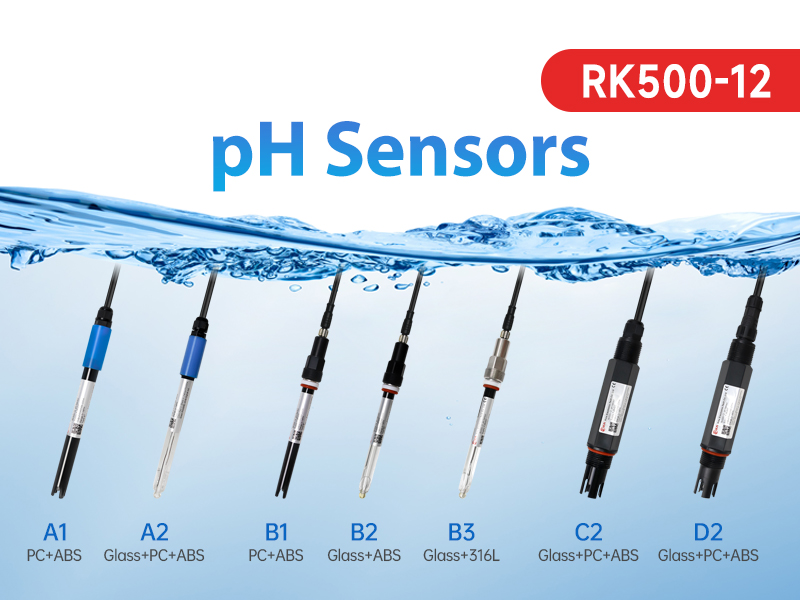
Environmental conservation relies heavily on accurate monitoring of natural ecosystems to ensure the health of water bodies, soil, and air. Among the various parameters measured, pH plays a critical role in determining the suitability of conditions for aquatic life, plant growth, and overall ecosystem balance. A pH sensor is an essential instrument for environmental scientists and conservationists working to preserve natural resources.
A pH sensor provides precise and real-time measurements of hydrogen ion concentration in water, soil, and other environmental samples. By monitoring pH levels continuously, researchers can detect changes in acidity or alkalinity that may indicate pollution, acid rain effects, or other ecological disturbances. This data allows for timely interventions to protect fragile ecosystems.
Monitoring Water Quality
Water quality is a fundamental aspect of environmental conservation. Rivers, lakes, and oceans can be severely impacted by industrial discharges, agricultural runoff, and urban pollution. Accurate pH measurement is crucial for assessing the health of aquatic ecosystems.
A pH sensor enables continuous monitoring of water bodies, detecting even slight changes in acidity that could harm fish, plants, and other aquatic organisms. Real-time data allows authorities to implement corrective actions, such as adjusting effluent treatment processes or controlling pollutant sources, thereby reducing environmental damage.
Role in Soil and Agricultural Management
pH sensors are also valuable tools for soil monitoring and sustainable agriculture. Soil pH affects nutrient availability, microbial activity, and crop productivity. By using pH sensors to monitor soil acidity, farmers and environmental managers can make informed decisions regarding fertilization, lime application, and crop selection.
Maintaining optimal soil pH enhances plant growth, reduces the need for excessive chemical inputs, and minimizes nutrient runoff into nearby water bodies. This approach supports both agricultural productivity and environmental conservation goals.
Tracking Pollution and Acidification
Environmental pollution, including acid rain and industrial emissions, can lower the pH of water and soil, creating harmful conditions for flora and fauna. pH sensors help track these changes over time, providing essential data for regulatory compliance and environmental protection programs.
Continuous monitoring with a pH sensor allows conservationists to identify trends, locate sources of pollution, and implement targeted remediation strategies. For example, monitoring river pH levels can help detect upstream contamination, enabling timely intervention before it affects larger downstream ecosystems.
Enhancing Ecosystem Restoration Projects
Restoration projects for degraded wetlands, rivers, and forests often require careful management of pH levels. A pH sensor provides precise feedback to guide interventions such as adjusting water chemistry, adding buffer substances, or reintroducing native species. Accurate pH monitoring ensures that restoration efforts are effective and sustainable, supporting the long-term recovery of ecosystems.
Integration with Automated Environmental Monitoring Systems
Modern pH sensors can be integrated into automated environmental monitoring networks, transmitting real-time data to centralized systems for analysis. This integration facilitates large-scale monitoring of rivers, lakes, and coastal areas, allowing for rapid response to environmental threats.
Digital pH sensors often include features such as high-resolution readings, temperature compensation, and wireless connectivity. These capabilities enable conservation teams to make data-driven decisions without the need for constant manual sampling.
Supporting Policy and Research
Reliable pH data supports environmental policy development, research, and education. By providing accurate measurements of ecosystem conditions, pH sensors help scientists understand environmental changes, assess the impact of human activities, and develop strategies to mitigate ecological risks.
Documented pH measurements also contribute to regulatory reporting, ensuring that industries and municipalities comply with environmental standards and best practices.
Conclusion
pH sensors play a crucial role in environmental conservation by enabling accurate and real-time monitoring of water, soil, and other ecological systems. Their ability to detect changes in acidity allows for timely intervention, sustainable management, and effective ecosystem restoration. By integrating pH sensors into conservation programs and automated monitoring systems, researchers and policymakers can better protect natural resources and support the long-term health of the environment.