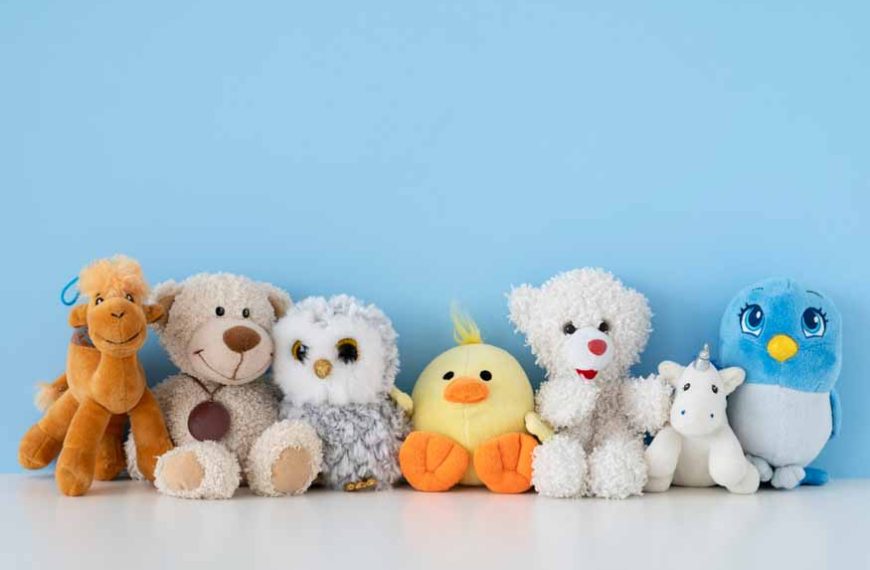
Custom plush toys are a powerful way for brands to engage customers, create memorable merchandise, and differentiate themselves in a competitive market. Turning a concept into a tangible, high-quality product requires expertise, precision, and collaboration with a reliable custom plush manufacturer. These manufacturers specialize in transforming creative ideas into plush toys that are safe, visually appealing, and market-ready.
Conceptualization and Design
The journey of a custom plush toy begins with an idea. Brands often have unique concepts, characters, or themes that they want to translate into a plush product. The first step for a custom plush manufacturer is to understand the vision and objectives of the brand. This involves discussing design ideas, intended age groups, materials, size specifications, and special features.
Working with an experienced custom plush manufacturer ensures that your ideas are feasible and aligned with industry standards. These manufacturers provide guidance on design adjustments, material selection, and production techniques to create a toy that reflects the original concept while meeting practical requirements such as durability, safety, and cost efficiency. Their input at the design stage can be invaluable in avoiding potential issues later in the production process.
Creating Prototypes
Once the design concept is finalized, manufacturers move on to creating a prototype. The prototype serves as a physical representation of the final product and allows the brand to evaluate its look, feel, and functionality. This stage is crucial for testing material choices, textures, stitching methods, and accessory placements.
Prototyping also provides an opportunity to make refinements. Brands can suggest adjustments based on tactile feedback, visual appeal, and usability. This collaborative process ensures that the final plush toy meets both the creative vision and practical requirements, reducing the risk of costly errors in mass production.
Material Selection and Customization
Custom plush manufacturers work closely with brands to choose appropriate materials. High-quality fabrics, safe fillings, and durable threads are selected to ensure the toy is soft, resilient, and safe for children. Manufacturers may also provide options for embroidery, appliqué, or sewn-on accessories to enhance the uniqueness of the product.
Customization is a key strength of these manufacturers. They can accommodate specific color schemes, character designs, and special features, ensuring that each plush toy reflects the brand’s identity. This level of customization is especially important for promotional merchandise, brand mascots, or limited-edition products.
Production Process
After prototypes are approved and materials are selected, full-scale production begins. Skilled artisans and advanced machinery are used to cut, sew, and assemble the toys. Manufacturers focus on precision and consistency, ensuring that each plush toy maintains the same quality as the approved prototype.
During production, manufacturers pay close attention to stitching strength, seam reinforcement, and the secure attachment of accessories. These measures guarantee that the plush toys are durable and safe, even with frequent use. Attention to detail during production is essential for maintaining the integrity and reputation of the brand.
Quality Control and Safety
Quality control is an integral part of the manufacturing process. Custom plush manufacturers conduct multiple inspections to ensure that the toys meet design specifications and safety standards. This includes checking for secure seams, proper stuffing, color consistency, and the correct attachment of accessories.
Safety compliance is also a major focus. Manufacturers adhere to international standards such as ASTM, EN71, and CPSIA, which regulate toxic materials, choking hazards, and flammability. Rigorous testing and certification provide assurance that the final products are safe for the target audience.
Packaging and Delivery
Once production and quality checks are complete, manufacturers assist with packaging and logistics. Packaging can be customized to align with branding, enhance shelf appeal, and protect the toy during shipping. Manufacturers coordinate shipping schedules and methods to ensure timely delivery, whether for retail, promotional campaigns, or online sales.
This final stage is essential for maintaining brand reputation. Proper packaging, timely delivery, and quality assurance ensure that customers receive products in excellent condition, reinforcing their positive perception of the brand.
Conclusion
Custom plush manufacturers play a crucial role in bringing creative ideas to life. From initial concept discussions and prototyping to material selection, production, quality control, and delivery, these manufacturers transform abstract ideas into tangible, market-ready products.
Partnering with an experienced and reliable custom plush manufacturer ensures that your toys are safe, visually appealing, and consistent in quality. By leveraging their expertise and capabilities, brands can create memorable products that engage customers, strengthen brand identity, and stand out in a competitive market.