Rainwater harvesting has become an increasingly popular solution for sustainable water management in urban and rural settings. Collecting and storing rainwater reduces dependence on municipal water supplies, conserves natural resources, and provides a reliable source for irrigation, household use, and industrial processes. However, the quality of harvested rainwater can vary depending on environmental conditions, collection surfaces, and storage methods. Monitoring key parameters such as pH is essential to ensure that harvested water remains safe and suitable for its intended applications.
pH is a critical indicator of water quality because it affects the chemical balance, usability, and potential for contamination in stored water. Acidic or alkaline rainwater can corrode storage tanks, plumbing, and irrigation systems, or reduce the effectiveness of the water for crops and domestic use. To manage these risks, rainwater harvesting systems increasingly rely on sensors for continuous and precise water monitoring.
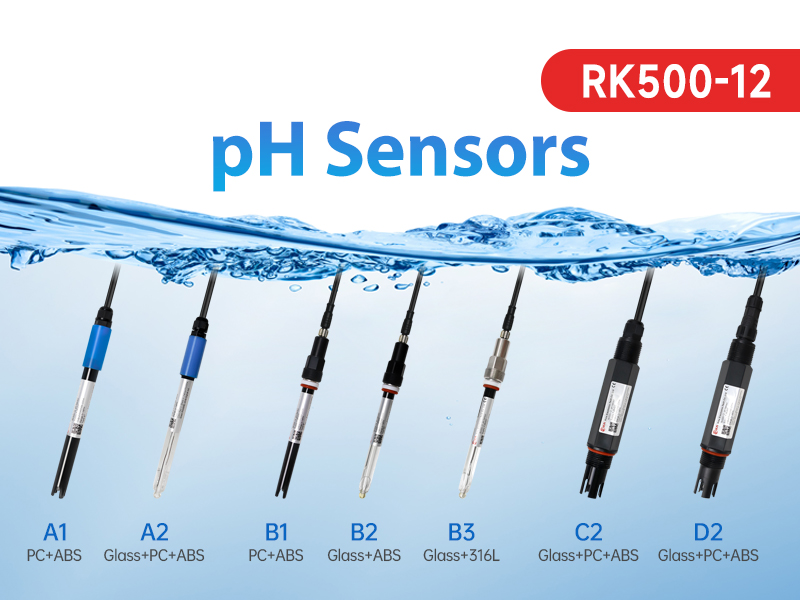
A pH Sensor for Water provides accurate real-time measurements, helping operators maintain proper water quality in storage tanks and distribution systems. By integrating pH sensors into rainwater harvesting setups, users can detect deviations early, implement corrective measures such as chemical treatment or filtration, and ensure the water remains safe for irrigation, cleaning, or household applications.
Importance of pH Monitoring in Rainwater Harvesting
The quality of rainwater can be affected by several factors, including air pollution, dust, debris from rooftops, and the materials used in storage tanks. Acidic rainwater, often a result of environmental pollutants, can lower the pH below safe levels. Conversely, certain construction materials or debris can raise alkalinity, creating water that is unsuitable for plants or household use. Monitoring pH helps maintain a balanced chemical environment and prevents long-term damage to infrastructure.
In agricultural applications, maintaining appropriate pH is crucial for irrigation. Water that is too acidic or alkaline can interfere with nutrient absorption in crops, leading to reduced yield or poor plant health. Continuous monitoring ensures that any adjustments, such as adding neutralizing agents, are applied promptly to maintain optimal conditions.
Advantages of Using pH Sensors in Harvesting Systems
Integrating pH sensors into rainwater harvesting systems provides several key benefits:
- Real-Time Monitoring: Detects pH fluctuations immediately, allowing quick corrective action.
- Preventing Equipment Damage: Protects storage tanks, pipes, and pumps from corrosion caused by inappropriate pH levels.
- Optimized Water Use: Ensures water is safe and suitable for irrigation, domestic use, or industrial applications.
- Automation Integration: pH sensors can be linked with automated dosing or filtration systems for self-regulating water treatment.
- Regulatory Compliance: Supports adherence to local water quality guidelines for non-potable or potable applications.
These advantages make pH sensors a vital component of modern, efficient rainwater harvesting systems.
Applications in Different Settings
Rainwater harvesting systems vary in scale and purpose, from residential rooftops to large municipal or industrial collection systems. pH sensors can be applied in all these settings:
- Residential Systems: Ensure safe water for garden irrigation, toilet flushing, and household cleaning.
- Agricultural Systems: Maintain pH-balanced irrigation water for crops and greenhouses.
- Commercial and Industrial Systems: Prevent corrosion in large storage tanks and piping while maintaining water quality for processing or cooling.
- Community Water Projects: Monitor collective storage tanks to provide safe and consistent water supply to communities.
By adapting sensor placement and monitoring frequency to the system size and application, operators can maintain water quality effectively.
Integration with Smart Water Management
Modern rainwater harvesting systems often incorporate smart technology, including IoT-enabled sensors, automated dosing systems, and centralized monitoring platforms. A pH sensor for water can provide continuous feedback to these systems, enabling predictive adjustments and real-time alerts. This reduces the need for manual testing, minimizes human error, and ensures that water quality remains optimal under varying environmental conditions.
Maintenance and Calibration
For accurate and reliable performance, pH sensors require routine calibration using standard buffer solutions and periodic cleaning to prevent fouling from dust, algae, or chemical residues. Proper installation, protection from extreme environmental conditions, and adherence to manufacturer guidelines are also essential to ensure long-term sensor performance.
Conclusion
A pH sensor for water is an essential component of effective rainwater harvesting systems. By providing continuous and accurate monitoring, these sensors help maintain water quality, protect infrastructure, and ensure safe usage for irrigation, domestic, and industrial applications. Integrating pH sensors into modern harvesting setups enhances sustainability, reduces maintenance risks, and supports efficient water management, making rainwater a reliable and safe resource in diverse settings.