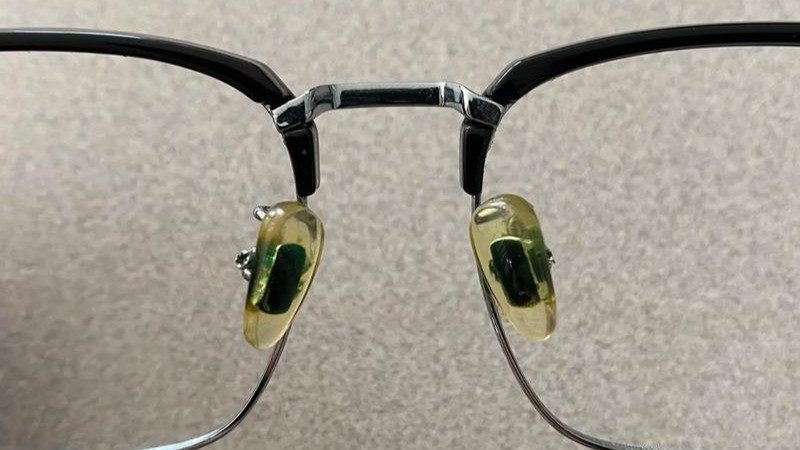
Green stuff on glasses is usually caused by oxidation, a natural chemical reaction that occurs when certain frame materials interact with sweat, moisture, air, or skincare products. The residue often appears near nose pads, hinges, or areas that frequently touch the skin. Although it may look unpleasant, it is generally harmless and easy to remove with proper cleaning. Understanding the reasons behind this buildup helps you prevent discoloration and extend the life of your eyewear.
Many people become concerned when they notice discoloration forming on their frames after regular use. This happens because exposure to sweat, humidity, and daily environmental factors slowly affects the surface of the frame materials. Experts explain that the formation of green residue is typically linked to oxidation reactions rather than hygiene issues or poor-quality frames.
Why Do Frames Develop Discoloration?
Discoloration is rarely caused by one factor alone. Instead, it results from a combination of environmental exposure, body chemistry, and material composition.
Oxidation from Moisture and Air
Oxidation occurs when materials react with oxygen and moisture. Frames containing certain alloys are more prone to this reaction. Over time, exposure to humidity and air leads to surface changes that appear as discoloration.
Sweat and Skin Oils
Human sweat contains salts and mild acids that accelerate chemical reactions. When frames remain in contact with your skin for long periods, especially during warm weather or physical activity, oxidation happens faster.
Skincare Products and Cosmetics
Lotions, perfumes, sunscreen, and makeup often contain chemicals that react with frame materials. These substances can transfer from your skin onto the frame surface, contributing to discoloration over time.
Humidity and Environmental Conditions
Living in humid regions increases exposure to moisture in the air. Constant humidity creates conditions that promote corrosion, especially if frames are not dried properly after cleaning or rain exposure.
Protective Coating Wear
Many frames have protective coatings designed to prevent corrosion. Over time, daily wear, friction, and cleaning can reduce the effectiveness of these coatings, exposing the underlying material to environmental elements.
Is the Residue Harmful?
In most situations, the residue is harmless. It may temporarily stain the skin slightly, but the color usually washes off easily with soap and water. The issue is primarily cosmetic rather than medical.
However, individuals with sensitive skin may experience irritation if they are allergic to certain alloys, such as nickel. If irritation occurs regularly, switching to hypoallergenic frame materials may help reduce discomfort.
How to Clean Discoloration from Frames
Proper cleaning is essential to maintain both the appearance and durability of frames. Here are safe and effective methods.
Mild Soap and Warm Water
Mix lukewarm water with a small amount of gentle soap. Use a soft cloth or a soft-bristled toothbrush to clean affected areas. Rinse thoroughly and dry completely with a microfiber cloth.
Baking Soda Paste
A paste made from baking soda and water can help remove stubborn buildup. Apply gently and avoid excessive scrubbing to prevent scratches.
Diluted Vinegar
White vinegar can dissolve mineral deposits and oxidation. Apply it carefully with a cotton swab and rinse immediately afterward to protect coatings and screws.
Professional Cleaning
If discoloration persists or coatings are damaged, an optician can provide professional cleaning or refinishing services.
How to Prevent Green Stuff on Glasses
Preventive care significantly reduces the chances of discoloration and extends the lifespan of frames.
Clean Frames Regularly
Daily cleaning removes sweat and oils before they accumulate. Even a quick wipe with a microfiber cloth can make a difference.
Keep Frames Dry
After exposure to water or humidity, dry frames completely. Moisture left on the surface speeds up chemical reactions.
Apply Products Before Wearing Frames
Use skincare or cosmetic products before putting on your eyewear. Allow them to absorb into your skin to minimize contact with frames.
Store Properly
Keep eyewear in a protective case when not in use. Avoid storing them in damp environments such as bathrooms or near sinks.
Choose Quality Materials
Frames made from titanium, stainless steel, acetate, or advanced polymers are more resistant to corrosion and discoloration. Investing in better materials reduces maintenance needs.
The Science Behind Frame Discoloration
The discoloration often comes from compounds created during oxidation reactions. When certain metals react with oxygen and moisture, a surface layer forms. This layer can change color depending on the materials involved and environmental conditions.
While oxidation cannot always be prevented entirely, proper maintenance can slow the process significantly.
Does Body Chemistry Influence Discoloration?
Yes, body chemistry plays an important role. Factors such as diet, medications, and natural skin acidity affect how sweat interacts with frame materials. Some individuals naturally experience faster oxidation due to more acidic perspiration.
If you notice frequent discoloration, it may reflect your body chemistry rather than the quality of your frames.
When Should You Replace Your Frames?
Occasional buildup can be cleaned easily, but replacement may be necessary if:
- Structural components become weak
- Protective coatings are completely worn off
- Hinges show corrosion or stiffness
- Skin irritation becomes frequent
Replacing worn frames ensures comfort and durability.
Best Materials for Long-Lasting Frames
Choosing the right material can significantly reduce maintenance and discoloration issues.
- Titanium: Lightweight, strong, and corrosion-resistant
- Stainless Steel: Durable and less reactive to moisture
- Acetate: Non-reactive and resistant to environmental damage
- TR90: Flexible and durable polymer material
These materials maintain their appearance longer and require less maintenance.
Frequently Asked Questions
Why do frames discolor quickly?
High humidity, frequent sweating, and contact with skincare products accelerate oxidation reactions.
Is the residue mold?
No. The discoloration is typically caused by chemical reactions rather than mold or bacteria.
Can oxidation be prevented completely?
It may not be possible to stop oxidation entirely, but regular cleaning and proper storage can slow it significantly.
Does discoloration mean poor quality?
Not necessarily. Even high-quality alloys can oxidize under certain environmental conditions.
Final Thoughts
Green stuff on glasses is a common issue caused by oxidation, moisture exposure, sweat, and chemical contact. While it may look concerning, it is usually harmless and manageable with simple cleaning and preventive care. Regular maintenance, proper storage, and choosing corrosion-resistant materials can help you avoid recurring buildup.
By understanding the underlying causes and adopting good care habits, you can keep your eyewear clean, comfortable, and long-lasting for everyday use.