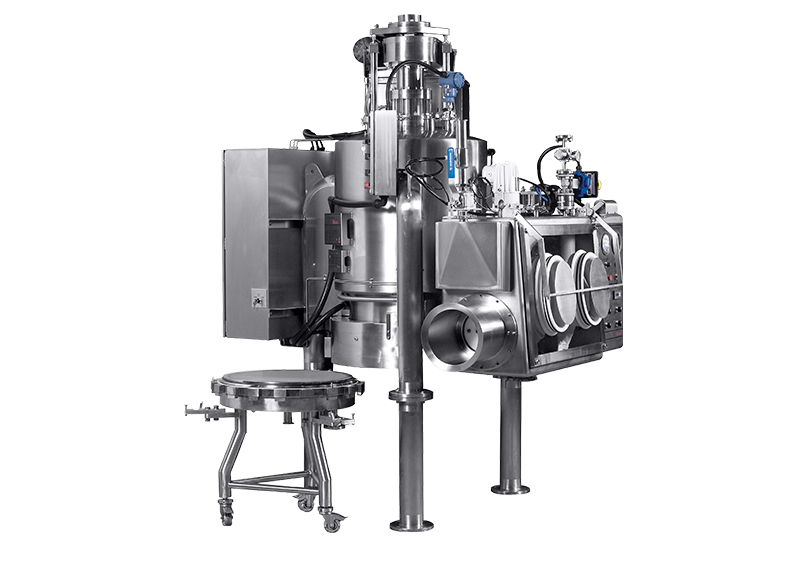
The polyurethane (PU) foam industry has experienced significant growth over the past few decades, driven by its versatility, durability, and applications in sectors like automotive, construction, furniture, refrigeration, and packaging. As market demands evolve, PU foaming machine manufacturers are exploring innovative technologies and advanced production methods to improve efficiency, product quality, and sustainability. Understanding the future developments in this field provides businesses with insights into how the industry will evolve and the opportunities for competitive advantage.
Leading PU Foaming Machine Manufacturers are investing heavily in research and development to create machines that are smarter, more efficient, and environmentally friendly. These developments focus not only on automation and energy savings but also on adaptability to new foam formulations, integration with digital systems, and compliance with stricter environmental regulations. Companies that embrace these technological advancements will be better positioned to meet both current and future industry demands.
Increased Automation and Smart Systems
One of the most prominent trends in PU foaming machine manufacturing is the adoption of advanced automation. Future machines are expected to feature fully integrated smart systems capable of controlling every aspect of production, from chemical mixing to foam curing. This includes programmable logic controllers (PLC), artificial intelligence (AI)-driven monitoring, and automated error detection.
Smart automation allows machines to adjust parameters in real-time based on production conditions, ensuring consistent foam quality and reducing material waste. Additionally, predictive maintenance capabilities will enable operators to anticipate potential failures, minimizing downtime and optimizing production efficiency.
Advanced Material Compatibility
As new polyurethane formulations and composite materials emerge, PU foaming machines will need to accommodate diverse chemical properties and processing requirements. Future developments will focus on flexible systems capable of handling multiple types of polyols, isocyanates, and additives without extensive reconfiguration.
This adaptability will allow manufacturers to produce specialty foams such as high-resilience automotive cushions, fire-retardant insulation panels, or lightweight packaging materials. Machines with modular components and customizable mixing heads will enable rapid transitions between different foam types, supporting both small-scale customization and high-volume production.
Energy Efficiency and Sustainable Production
Environmental sustainability will continue to be a key driver of innovation. Future PU foaming machines are expected to incorporate enhanced energy-saving technologies, including high-efficiency pumps, variable frequency drives, and optimized heating systems. These advancements will reduce electricity consumption while maintaining consistent foam quality.
In addition, sustainability-focused innovations may include improved chemical utilization to minimize waste, heat recovery systems to reuse excess thermal energy, and eco-friendly insulation materials. As energy costs rise and environmental regulations become stricter, energy-efficient machines will provide both operational savings and compliance advantages.
Integration with Industry 4.0
Industry 4.0 and digitalization are transforming manufacturing, and PU foaming machines are no exception. Future systems will increasingly integrate with digital production platforms, IoT sensors, and cloud-based analytics. This integration will provide real-time insights into production performance, material consumption, and equipment health.
Data-driven decision-making will enable manufacturers to optimize production schedules, reduce downtime, and implement continuous improvements. Remote monitoring and control will also allow technicians to troubleshoot issues from anywhere, reducing operational disruptions and enhancing machine reliability.
Enhanced Safety and Compliance Features
As PU foaming processes involve reactive chemicals and high-pressure systems, safety remains a top priority. Future developments will include advanced safety mechanisms such as automated shutdown protocols, enhanced pressure relief systems, and integrated environmental monitoring.
Machines will be designed to comply with international safety standards and environmental regulations, protecting operators and the surrounding environment. Improved safety features will also reduce the risk of production interruptions and legal liabilities, providing additional operational security.
Modular and Scalable Designs
Future PU foaming machines are expected to adopt modular and scalable designs that can grow with a manufacturer’s production needs. Modular systems allow businesses to expand capacity by adding additional units or upgrading existing components without replacing the entire system.
Scalable machines provide flexibility for manufacturers producing varying volumes of foam, enabling them to respond efficiently to market demands and seasonal fluctuations. This approach reduces upfront investment and supports long-term operational scalability.
Research-Driven Innovations
Continuous research into new foaming techniques, advanced materials, and machine design is shaping the future of PU foaming machinery. Innovations such as low-pressure high-precision systems, hybrid foam production lines, and integrated quality monitoring are expected to become mainstream.
Manufacturers investing in research-driven solutions will not only improve production efficiency but also enhance product performance, allowing businesses to meet increasingly complex customer requirements.
Conclusion
The future of PU foaming machine manufacturing is defined by automation, adaptability, energy efficiency, and digital integration. Advancements in smart systems, modular designs, sustainable production, and safety features will enable manufacturers to produce high-quality, consistent foam products while reducing operational costs and environmental impact.
By understanding and adopting these future developments, businesses can ensure they remain competitive in a rapidly evolving PU foam market. Investing in advanced, flexible, and sustainable machinery will provide long-term operational efficiency, improved product quality, and the ability to meet the diverse demands of industries relying on polyurethane foam.