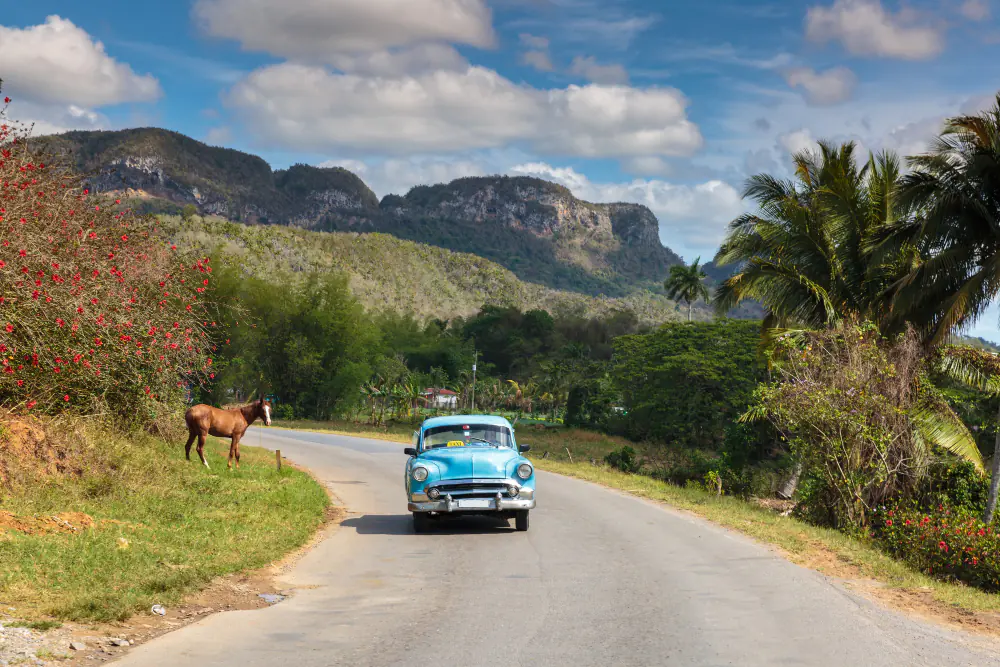
Cuba is a country that fascinates travelers with its colorful streets, rich culture, and timeless charm. From the lively rhythms of Havana to the tranquil beaches of Varadero, it offers a unique blend of history, music, art, and nature. To help visitors navigate this diverse destination, using a Cuba free travel guide can make planning smoother, offering essential insights into local culture, transportation, attractions, and hidden gems.
Why Cuba Should Be on Your Travel List
Cuba is unlike any other destination. It’s a place where classic cars drive past Spanish colonial architecture, where live salsa fills the streets at night, and where the Caribbean sun warms pristine beaches. For travelers seeking authenticity, Cuba delivers more than just sightseeing—it’s an immersion into a way of life that feels both historic and vibrant.
From exploring UNESCO World Heritage sites like Old Havana to experiencing the natural beauty of Viñales Valley, the island invites adventure at every turn.
When to Visit Cuba
The best time to visit Cuba is between November and April, during the dry season. The weather is warm but not overly humid, making it perfect for sightseeing and beach activities. Travelers who prefer fewer crowds may enjoy visiting in the shoulder months, such as early November or late April.
Hurricane season runs from June to November, so it’s wise to plan accordingly if traveling during these months.
Getting Around the Island
Transportation in Cuba can be part of the adventure. Options include:
- Classic Taxis: A quintessential Cuban experience.
- Coco Taxis: Small, yellow, motorized rickshaws perfect for short rides.
- Viazul Buses: Comfortable intercity buses that connect major towns and cities.
- Car Rentals: Popular with travelers who want flexibility to explore off-the-beaten-path areas.
Walking through old towns or cycling in rural areas is also a rewarding way to connect with local life.
Must-See Destinations in Cuba
Havana
Cuba’s capital is bursting with energy. Walk along the Malecón at sunset, visit historic plazas, and discover local art in small galleries. Old Havana is particularly striking, with cobblestone streets and pastel-colored buildings.
Varadero
Famous for its white-sand beaches, Varadero is a haven for relaxation and water activities like snorkeling and diving. It’s ideal for those looking to combine culture with leisure.
Trinidad
A perfectly preserved colonial town, Trinidad feels like stepping back in time. Its cobblestone streets, colorful homes, and lively music make it a cultural treasure.
Viñales Valley
Known for its lush landscapes and tobacco farms, Viñales offers hiking, horseback riding, and an authentic glimpse into Cuban rural life.
Santiago de Cuba
Located in the east, Santiago is the birthplace of much of Cuba’s music and revolutionary history. Its Afro-Cuban culture adds another layer to the country’s diversity.
Cuban Culture and Traditions
Cuba’s identity is deeply shaped by its music, dance, and traditions. Salsa and son dominate, with street performances creating an atmosphere that is hard to resist. Visitors will also encounter Afro-Cuban influences in art, religion, and festivals, adding to the island’s cultural depth.
Hospitality is central to Cuban culture, and many travelers choose to stay in “casas particulares”—family-run guesthouses—where they can connect with locals and experience warm Cuban hospitality firsthand.
Food and Drinks to Try
Cuban cuisine is hearty and flavorful. Some must-try dishes include:
- Ropa Vieja: Shredded beef in a rich tomato-based sauce.
- Moros y Cristianos: Black beans and rice, a staple dish.
- Yuca con Mojo: Cassava root served with a garlic citrus sauce.
- Street Snacks: Such as churros, croquetas, and fresh fruit juices.
No trip is complete without sampling Cuban coffee and enjoying a refreshing mojito or daiquiri in a local bar.
Practical Travel Tips for Cuba
- Currency: The Cuban Peso (CUP) is the local currency. Cash is preferred, as cards may not always work.
- Internet Access: Wi-Fi is limited compared to other destinations, usually available in public hotspots or hotels.
- Language: Spanish is the official language, and learning a few basic phrases goes a long way.
- Packing Essentials: Bring sunscreen, insect repellent, and lightweight clothing. Comfortable walking shoes are also a must for exploring towns and cities.
Hidden Gems to Discover
While Cuba’s main attractions are well known, many hidden spots enrich the travel experience:
- Cienfuegos: Known as the “Pearl of the South,” this coastal city boasts French-inspired architecture.
- Baracoa: Located in the far east, it offers lush rainforests and unique local dishes like “cucurucho,” a sweet coconut treat.
- Santa Clara: Famous for the Che Guevara Mausoleum, this city provides insight into revolutionary history.
Why Use a Free Travel Guide for Cuba
Having a travel guide at your fingertips helps you plan efficiently, discover lesser-known areas, and understand cultural nuances. A Cuba guide in digital format allows easy offline access while traveling, ensuring you have the information you need without carrying bulky books. It also helps structure your journey with maps, itineraries, and tips for budget-friendly exploration.
Final Thoughts
Cuba is more than just a destination—it’s an experience that lingers long after your trip ends. From its lively music and colonial towns to its breathtaking valleys and beaches, every corner of the island has a story to tell. With the help of a Cuba free travel guide, you can navigate with confidence, uncover hidden gems, and embrace the authenticity of this remarkable country.