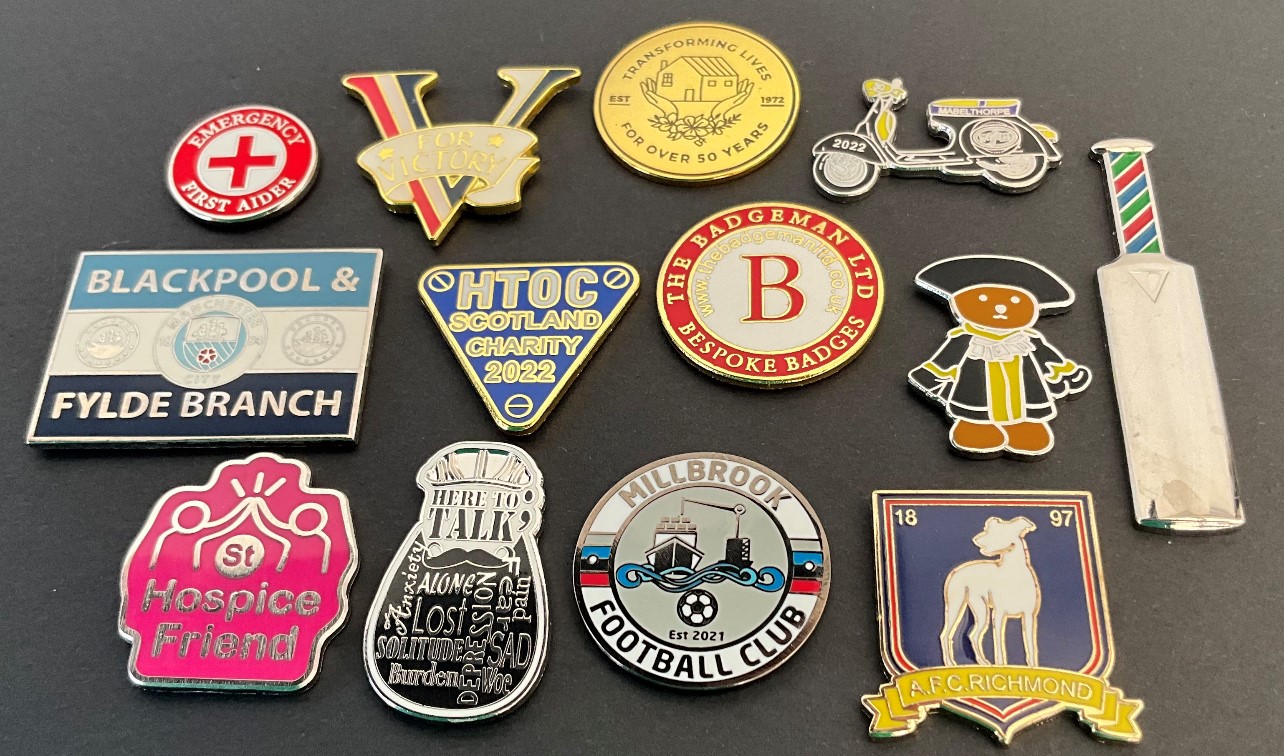
Tin packaging has always held a special place in both traditional and modern branding. From classic cookie tins to contemporary storage boxes, tin containers provide an unmatched combination of durability, visual appeal, and reusability. Over time, these metal containers have evolved from being simple protective packaging into powerful tools of creative expression. Among the many innovations in packaging design, one process stands out for its ability to blend aesthetics with function — custom tin printing.
The Timeless Appeal of Tin Packaging
Tin has been a preferred packaging material for decades due to its strength and ability to preserve product freshness. It provides superior protection against light, moisture, and air, which makes it ideal for food, cosmetics, and gift packaging. But beyond its practical benefits, tin carries a sense of nostalgia and charm. Its metallic finish, solid structure, and smooth surface naturally give a feeling of quality and craftsmanship.
In recent years, brands have rediscovered the potential of tin packaging, not only as a container but as an extension of their visual identity. Whether used for limited-edition collections or everyday retail items, printed tins have the power to create memorable first impressions and lasting emotional connections with customers.
The Art Behind Tin Printing
Printing on tin is not just a technical process — it’s an art form that combines creativity, precision, and innovation. The goal is to translate a brand’s story, values, and personality onto a metallic surface while maintaining durability and clarity.
Unlike paper or plastic, printing on metal requires specialized techniques and coatings to ensure the artwork adheres perfectly without fading or scratching. The process often involves layers of color, varnish, and protective finishes to achieve the desired look, whether it’s glossy, matte, or textured.
Custom tin printing allows designers to experiment freely. Whether the goal is to create a modern, minimalist design or a vintage, hand-crafted appearance, the material’s versatility supports a wide range of artistic expressions.
Common Printing Methods for Tin Packaging
Different printing techniques are used based on the desired outcome, production volume, and budget. Here are some of the most popular methods:
1. Lithographic (Offset) Printing
Lithographic printing is the most commonly used method for tin containers. It offers high-quality results, enabling full-color and detailed designs. This technique involves transferring the image onto a printing plate, which then applies ink directly to the tinplate surface. It’s ideal for large production runs and delivers consistent, sharp images.
2. Digital Printing
Digital printing has become increasingly popular for small or custom batches. It doesn’t require printing plates, which makes it cost-effective for short runs and personalized designs. It also allows flexibility for limited-edition or seasonal packaging, where each design may vary slightly.
3. Screen Printing
For simple designs with bold colors, screen printing provides vibrant results. It applies thick layers of ink, ensuring long-lasting prints that can resist wear and exposure. This method works especially well for logos, patterns, or designs with minimal color variation.
4. Embossing and Debossing
These techniques add dimension and tactile quality to the surface of the tin. Embossing raises parts of the design, while debossing presses them inward. Both create a premium feel and help enhance specific visual elements like logos or decorative motifs.
5. Laser Engraving
Laser engraving is another elegant option, ideal for luxury or limited-edition tins. It provides a clean, permanent marking that gives a refined look without the need for inks. It’s precise, eco-friendly, and adds an understated sophistication to the packaging.
Design Trends in Custom Tin Printing
Design trends in tin packaging often reflect the evolving preferences of consumers and the need for brands to stand out on crowded shelves. Below are some emerging trends that define modern tin printing:
- Minimalist Aesthetics: Simple color palettes, clean lines, and uncluttered layouts are gaining popularity. This approach emphasizes elegance and focuses on brand authenticity.
- Vintage Revival: Retro-inspired designs evoke nostalgia and emotional warmth. Classic fonts, hand-drawn illustrations, and muted tones often dominate this style.
- Sustainability-Focused Graphics: Designs that emphasize eco-conscious values resonate with modern consumers. Natural colors, minimal ink use, and messages about reusability highlight environmental responsibility.
- Luxury Finishes: Metallic accents, spot varnishes, and embossed details are being used to give products a high-end look without excessive ornamentation.
The Sustainability Factor
One of the strongest appeals of tin packaging is its sustainability. Metal can be recycled indefinitely without losing quality, making it an environmentally friendly alternative to plastic. With growing awareness about waste reduction, many brands are embracing reusable and recyclable packaging options.
Moreover, custom-printed tins often serve a secondary purpose long after the product is used. Consumers repurpose them for storage, decoration, or gifting — which means the packaging continues to carry the brand’s identity well beyond the initial purchase. This reusability not only extends the packaging’s life but also provides ongoing visibility for the brand in a subtle, organic way.
Enhancing Consumer Experience Through Design
Packaging isn’t just about aesthetics — it’s about experience. The tactile feel of a tin, the sound of opening it, and the gleam of the printed surface all play a role in how customers perceive a product. A beautifully printed tin can transform a simple item into a cherished possession.
Furthermore, high-quality packaging often influences purchasing decisions. People are naturally drawn to products that look appealing and feel durable. The combination of strong visuals and physical sturdiness creates a perception of value and reliability, making consumers more likely to choose and remember the product.
Practical Applications of Custom Tin Printing
Custom tin printing has a wide range of applications across industries. Some of the most common include:
- Food Packaging: Cookies, tea, coffee, and chocolates often come in decorative tins that preserve freshness and enhance shelf appeal.
- Cosmetics: Perfumes, balms, and skincare products use small printed tins for an elegant, reusable presentation.
- Candles: Decorative tins add safety, portability, and aesthetic charm to candles.
- Gifting and Collectibles: Limited-edition tins for holidays or special events become keepsakes for customers.
- Home Décor: Many tins are designed as reusable containers for home organization or decorative purposes.
Balancing Creativity and Functionality
While creativity is key in tin printing, functionality must always be maintained. Designers must ensure that printed surfaces are durable enough to withstand handling, transportation, and storage. Colors must remain vivid, text should be legible, and finishes must resist fading. Balancing beauty with practicality is what separates great packaging from ordinary designs.
Final Thoughts
Custom tin printing represents the perfect blend of creativity, technology, and sustainability. It offers endless possibilities for brands and designers to create packaging that not only protects the product but also tells a story.
A well-printed tin serves as more than a container — it becomes a symbol of the brand’s commitment to quality, artistry, and environmental consciousness. Whether it’s a luxurious limited-edition collectible or a simple yet elegant food tin, thoughtful printing turns metal packaging into a lasting piece of design that connects emotionally with the consumer.