A proper drainage system is a crucial component of any Muslim foot washing sink. Efficient water removal not only keeps the ablution area clean and hygienic but also prevents slips, standing water, and potential damage to the surrounding bathroom or washroom. Selecting the right drainage system ensures that the sink functions effectively for daily wudu rituals and maintains a safe environment for users of all ages.
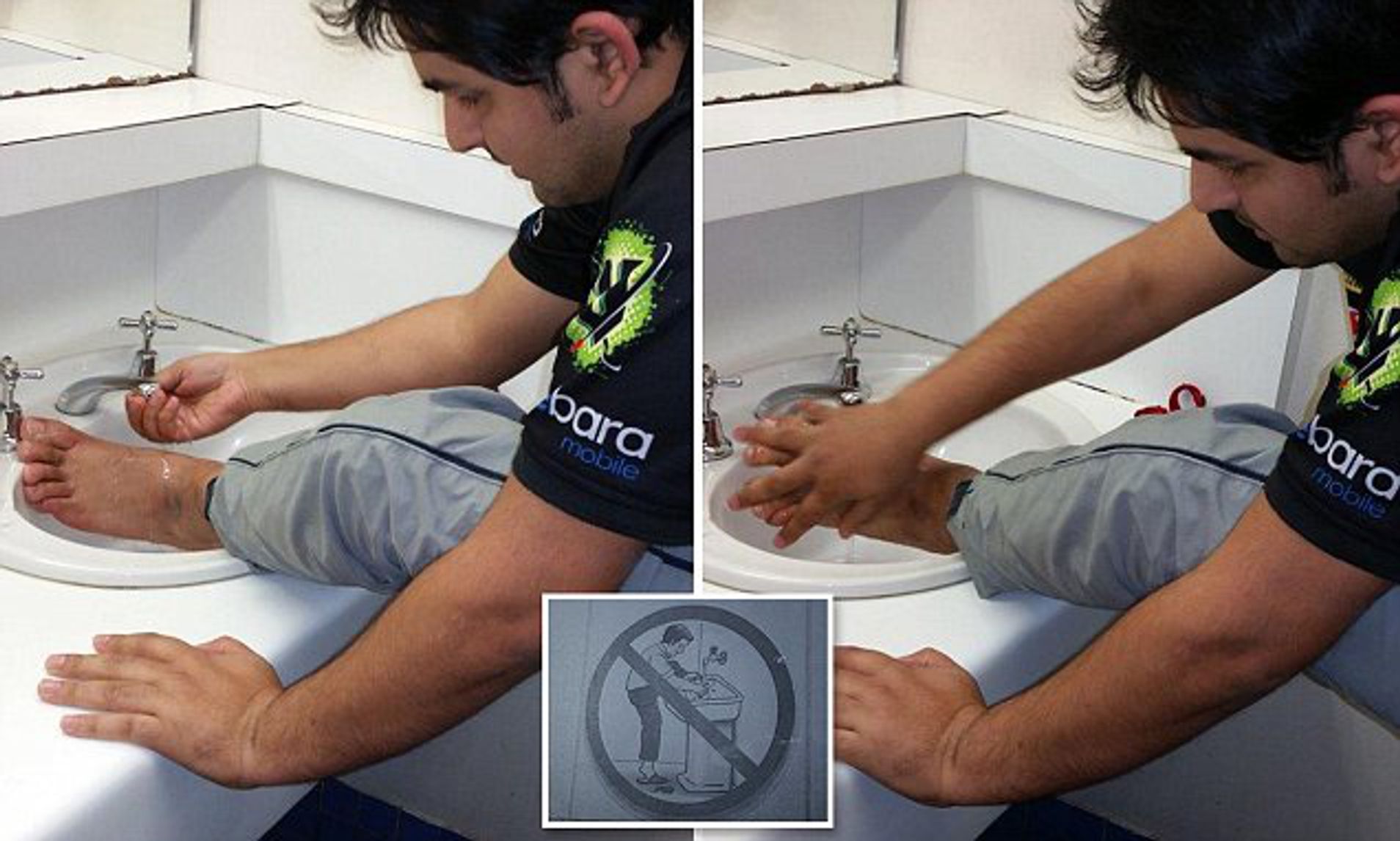
One notable solution is the Muslim foot washing sink, which features an integrated drainage design tailored for hand and foot washing. This system efficiently channels water away from the basin, reduces splashing, and helps maintain a dry, safe floor area. Understanding the types of drainage systems available and the key considerations when choosing one can help you make an informed decision for your home or facility.
Importance of Efficient Drainage in Wudu Sinks
Effective drainage is more than just removing water—it plays a role in hygiene, safety, and long-term maintenance. Water that pools in or around a foot washing sink can create slippery surfaces, encourage bacterial growth, and lead to unpleasant odors. A well-designed drainage system mitigates these issues, allowing users to perform wudu safely and comfortably.
Proper drainage also prevents potential water damage to the flooring and surrounding walls. For communal spaces like mosques or schools, where high traffic can lead to frequent water usage, an efficient drainage system is essential for sustaining a clean and safe environment.
Types of Drainage Systems
When selecting a drainage system for a Muslim foot washing sink, it is important to consider the different types available:
1. Standard Drain with P-Trap
A P-trap is a common plumbing feature that prevents sewer gases from entering the bathroom while allowing water to flow efficiently. This system is suitable for most residential or small-scale installations and provides reliable water removal with minimal maintenance.
2. Floor-Level Drainage
Some sinks integrate floor-level drains to channel water directly into the flooring system. This design is particularly useful in high-traffic areas, reducing splashes and pooling on the floor. It is often combined with a slightly sloped basin to direct water toward the drain naturally.
3. Integrated Drain Channels
Modern wudu sinks may feature integrated channels within the basin itself. These channels guide water toward a central drain, improving flow and minimizing leftover water. Integrated systems enhance both hygiene and safety by ensuring that water is efficiently removed from the washing area.
Key Considerations When Choosing a Drainage System
Selecting the appropriate drainage system requires careful evaluation of several factors:
Flow Rate: The drainage system should accommodate the volume of water used during wudu without overflowing or pooling. A higher flow rate is especially important in facilities with multiple users.
Maintenance Requirements: Easy-to-clean drains reduce the risk of clogs and minimize maintenance efforts. Removable strainers or accessible piping can simplify cleaning and ensure long-term functionality.
Compatibility with Plumbing: Ensure that the drainage system is compatible with existing plumbing infrastructure. Wall-mounted or floor-mounted installations may have different requirements, so it’s important to verify connections before installation.
Safety Features: Non-slip surfaces around the drain and anti-splash designs enhance safety, particularly for children and elderly users. Properly designed drainage reduces the likelihood of accidents caused by water spillage.
Installation Tips for Optimal Performance
Correct installation is vital for a drainage system to function effectively. The basin should be slightly sloped toward the drain to encourage water flow. Proper sealing around joints prevents leaks and water damage, while ensuring that the drain remains unobstructed by debris. Consulting a professional plumber can help achieve optimal performance and long-lasting results.
Enhancing Hygiene and User Experience
A well-designed drainage system contributes directly to the hygiene and overall experience of the wudu process. By efficiently removing water, it prevents bacterial growth and maintains a dry and pleasant environment. Users can perform ablution with confidence, knowing that the area is safe, clean, and comfortable.
Conclusion
Choosing the right drainage system for a Muslim foot washing sink is essential for safety, hygiene, and long-term maintenance. Considering factors such as flow rate, maintenance needs, plumbing compatibility, and safety features ensures that the sink performs efficiently in both residential and communal settings. Proper installation and integrated drainage design enhance the overall wudu experience, providing a clean, safe, and functional space for users of all ages.