Why Children Need Special Consideration in Wudu Areas
Creating a comfortable and accessible wudu environment for children is essential in mosques, Islamic schools, and community centers. Young users often require additional support to perform ablution correctly and safely. If sinks, faucets, or foot-washing stations are too high or difficult to use, children may struggle, leading to discomfort, water spills, or unsafe movements. A child-friendly setup ensures children can learn and practice wudu with confidence.
The Importance of Safe and Accessible Fixtures
Children benefit greatly from fixtures that are designed with their height, mobility, and safety in mind. Low-mounted basins, step-friendly platforms, and smooth, rounded edges help reduce the risk of accidents. Providing an environment that encourages independence allows younger worshippers to perform wudu comfortably while reducing the need for constant adult supervision. Thoughtful design also minimizes unnecessary water splashing, which helps keep the area clean and slip-free.
Choosing the Right Wudu Sink with Foot Wash
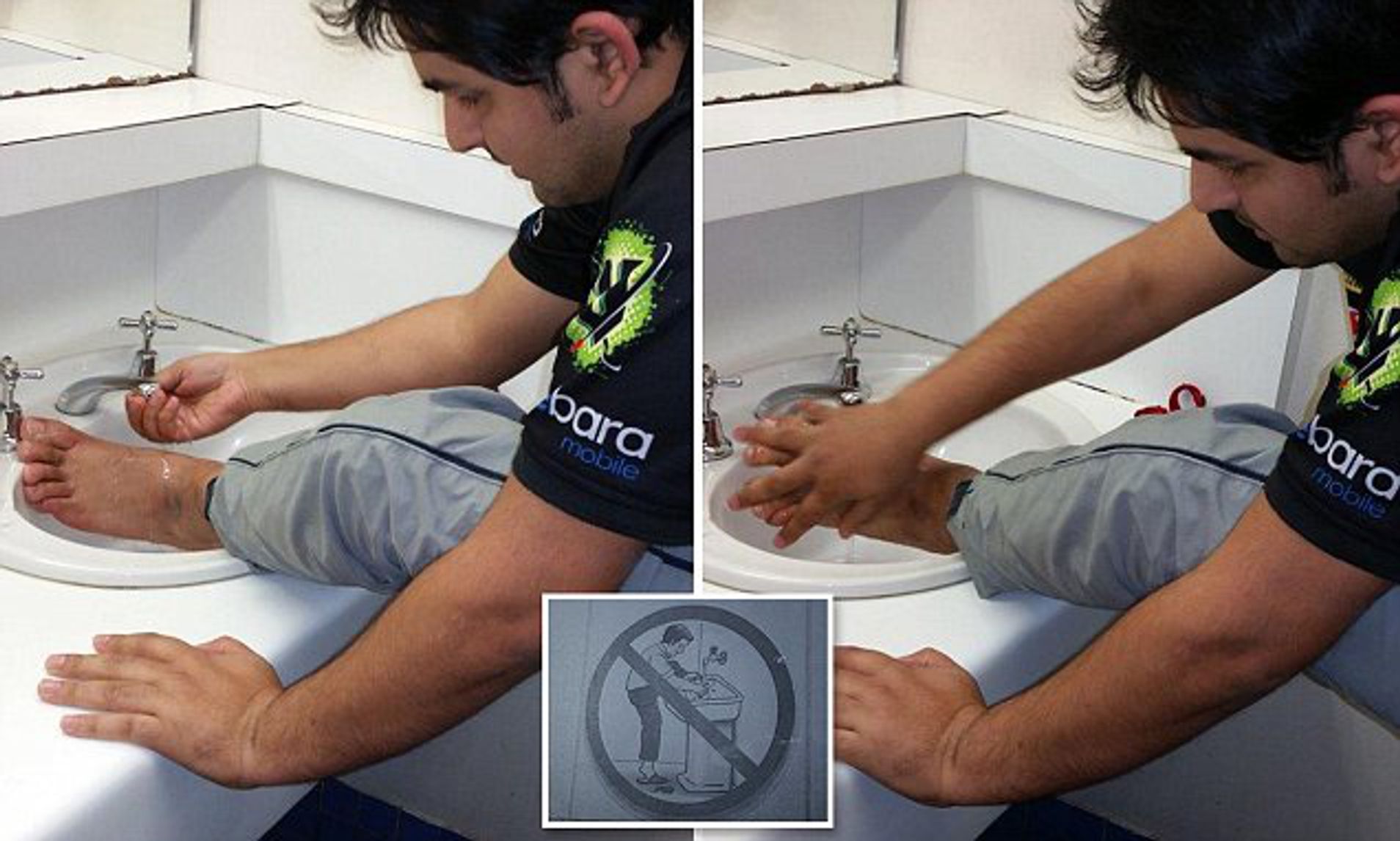
One effective solution for child-friendly ablution spaces is selecting a well-designed Wudu sink with foot wash. These integrated units combine both upper and lower basins, giving children the ability to wash their hands and feet with minimal effort. Their ergonomic structure and smooth, easy-to-clean surfaces make them suitable for frequent use in educational and community facilities.
Height Adjustments for Younger Users
When designing a child-friendly wudu area, sink height is one of the most important considerations. Installing basins at a lower level or using adjustable-height platforms ensures that children can comfortably reach the faucet and basin without stretching. This improves both safety and ease of use, reducing the chance of slipping or leaning forward unsafely during foot washing.
Slip-Resistant and Hygienic Materials
Children tend to move quickly and may not always be careful about water splashes. That makes slip-resistant flooring and hygienic sink materials essential. Non-porous surfaces resist staining and bacterial buildup, making cleaning easier for facility staff. Textured foot-wash areas help prevent accidental slips, especially in spaces that handle high traffic.
Encouraging Independence Through Smart Design
A well-designed child-friendly wudu area encourages independence by allowing children to complete each step of ablution without difficulty. Features such as easy-turn or sensor faucets, clearly separated foot-washing zones, and intuitive basin shapes help create a predictable environment that children can navigate confidently. This also reduces waiting time, improving the overall flow of users in schools or busy prayer halls.
Maintenance Considerations for High-Use Child Areas
Child-focused zones typically see frequent use, which makes maintenance an ongoing responsibility. Facilities should conduct regular inspections to ensure drains are clear, surfaces remain clean, and any child-height accessories—like steps or handrails—are secure. Durable materials and proper installation help reduce the need for repairs, keeping the wudu area both functional and safe throughout the year.
Conclusion
Child-friendly wudu sinks with integrated foot-wash features provide a safe, accessible, and hygienic solution for mosques, schools, and Islamic centers. By focusing on ergonomic height, durable materials, and easy-to-use designs, these setups allow children to learn and practice ablution comfortably and independently. A thoughtful design not only supports the spiritual development of young worshippers but also helps maintain a clean and orderly wudu environment for all.