The modern lifestyle has quietly trained people to stay busy at all costs. Long work hours, constant notifications, and social expectations leave little room for silence or self-reflection. Even rest has become rushed, often filled with screens and distractions. Over time, this pattern creates physical fatigue, mental clutter, and emotional imbalance, pushing many individuals to search for a deeper form of rest—one that truly restores rather than temporarily distracts.
A Yoga retreat provides an intentional pause from this cycle. It is a structured yet gentle experience designed to slow the pace of life and help individuals reconnect with their inner state. Instead of escaping reality, a retreat creates space to understand it more clearly, allowing the body and mind to realign in a calm and supportive setting.
The Purpose Behind Stepping Away
Retreats exist for one simple but powerful reason: awareness. When daily routines are paused, people begin to notice how they feel, think, and react. Yoga retreats encourage this awareness through a balanced blend of movement, stillness, and reflection.
Rather than following strict rules, participants are guided toward listening to their own needs. The daily rhythm often includes yoga sessions, meditation, mindful meals, and free time for rest or journaling. This gentle structure helps individuals reconnect with themselves without pressure or expectation.
Physical Renewal Through Gentle Consistency
The body responds remarkably well to consistent, mindful movement. During a retreat, yoga is practiced daily, but in a way that emphasizes alignment, breath, and body awareness rather than performance. This approach allows muscles to release long-held tension and joints to move more freely.
Over time, posture improves, flexibility increases, and strength develops naturally. Many participants notice reduced aches, improved mobility, and better sleep within just a few days. Because the body is not overstressed, these benefits feel sustainable and supportive rather than exhausting.
Breath as the Foundation of Balance
One often overlooked element of well-being is breathing. Yoga retreats place strong emphasis on conscious breathing techniques that regulate the nervous system. Slow, intentional breathwork signals the body to relax, lowering stress hormones and calming the mind.
As participants learn to breathe more efficiently, they often experience increased energy and mental clarity. This awareness of breath becomes a practical tool that can be used long after the retreat ends, especially during moments of stress or emotional overwhelm.
Mental Clarity in a Noise-Free Environment
Modern minds are constantly stimulated, rarely given time to rest. Yoga retreats intentionally reduce external noise by limiting digital distractions and encouraging presence. Without constant input, the mind begins to slow down naturally.
Meditation practices help participants observe thoughts rather than react to them. Over time, this creates mental space and emotional stability. Anxiety softens, focus improves, and decision-making becomes clearer. Many people describe this mental quiet as one of the most valuable outcomes of their retreat experience.
Emotional Awareness and Healing
When silence replaces distraction, emotions surface more clearly. Yoga retreats create a safe environment for this process. Rather than avoiding difficult feelings, participants are guided to observe them with compassion and understanding.
This emotional awareness often leads to personal insight. Individuals may gain clarity about relationships, life direction, or habits that no longer serve them. Emotional healing does not come from force, but from allowing space for honest reflection—and retreats provide exactly that.
The Impact of Natural Surroundings
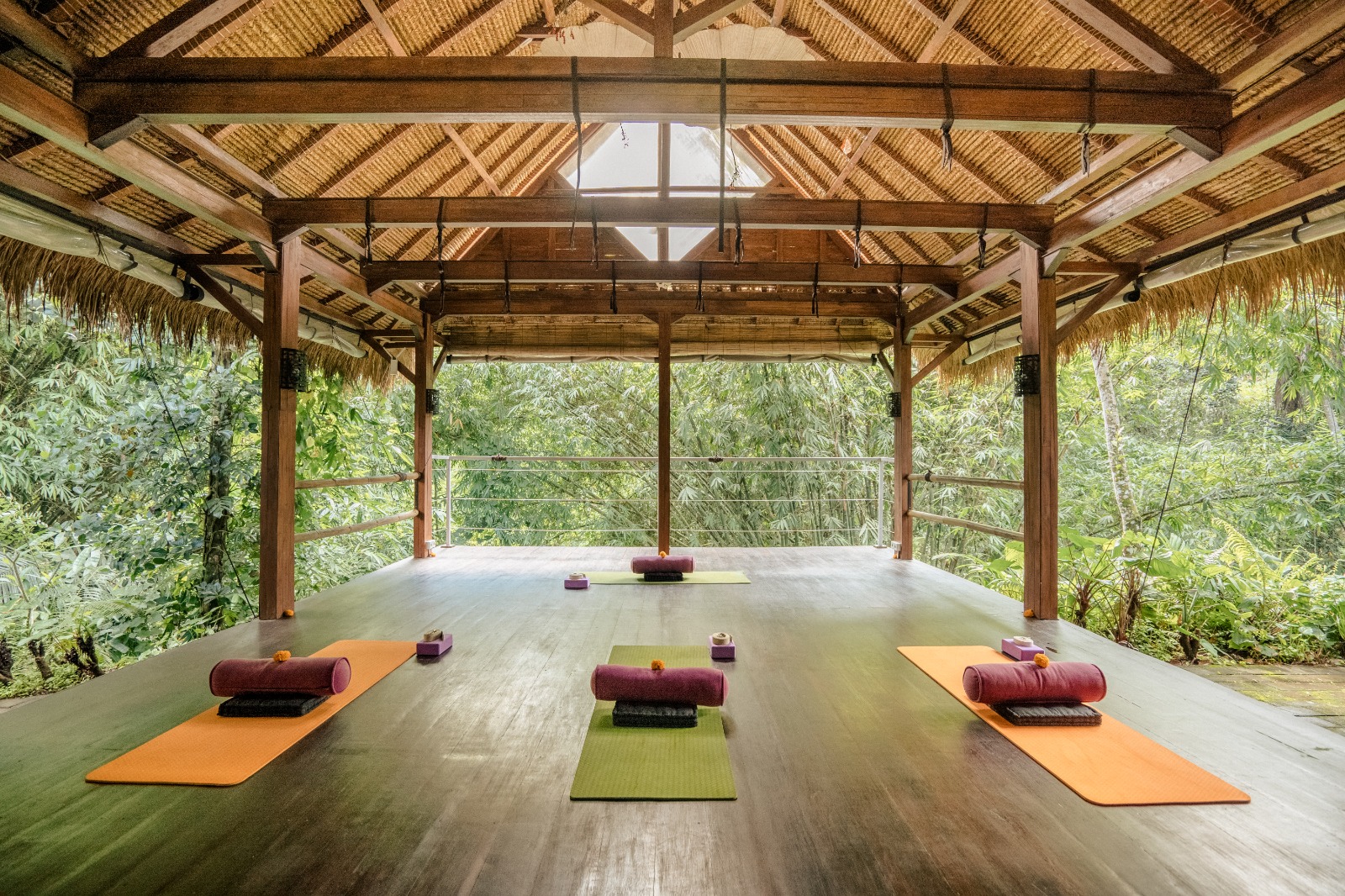
The setting of a retreat is never accidental. Natural environments such as mountains, beaches, forests, or countryside locations play a powerful role in the healing process. Nature naturally slows the nervous system and encourages grounding.
Practicing yoga in fresh air, surrounded by open landscapes, deepens the sense of connection and presence. Natural sounds and scenery enhance relaxation, making it easier to let go of mental tension and reconnect with the body.
Mindful Nourishment as Part of the Experience
Food during a yoga retreat is approached with intention. Meals are often simple, nourishing, and prepared to support digestion and energy levels. This encourages participants to slow down and eat mindfully rather than out of habit or stress.
By paying attention to how food affects the body, individuals often develop a healthier relationship with eating. Many return home inspired to make more conscious choices that support long-term well-being rather than short-term convenience.
A Community Built on Shared Intentions
While a yoga retreat is a personal journey, it is also deeply communal. Participants often arrive as strangers but quickly bond through shared experiences and open conversations. The absence of social pressure allows connections to form naturally and authentically.
Group practices and shared meals create a sense of belonging without comparison or judgment. These meaningful connections often become one of the most memorable aspects of the retreat, reminding participants of the value of genuine human interaction.
Open to All Levels and Backgrounds
Yoga retreats are designed to be inclusive. Whether someone is new to yoga or has practiced for years, instructors typically offer modifications and guidance tailored to individual needs. The focus remains on self-awareness rather than physical ability.
This inclusivity makes retreats accessible to people of different ages, fitness levels, and life stages. Everyone is encouraged to move at their own pace, creating an atmosphere of safety, respect, and personal growth.
Carrying the Experience Into Everyday Life
The true success of a yoga retreat is measured by what continues afterward. Participants often leave with practical tools such as breathing techniques, meditation practices, and gentle movement routines that can be integrated into daily life.
These small habits help maintain balance long after the retreat ends. Over time, they support better stress management, emotional regulation, and overall well-being.
Closing Reflection
In a world that rarely pauses, choosing to step away is a powerful act of self-care. A yoga retreat offers more than rest—it provides clarity, renewal, and a deeper understanding of oneself. Through mindful movement, conscious breathing, emotional awareness, and meaningful connection, individuals rediscover balance that often feels lost in everyday life.
For anyone seeking lasting well-being rather than temporary relief, a thoughtfully chosen retreat can become a turning point. It is not an escape from life, but a return to it—calmer, clearer, and more aligned than before.


