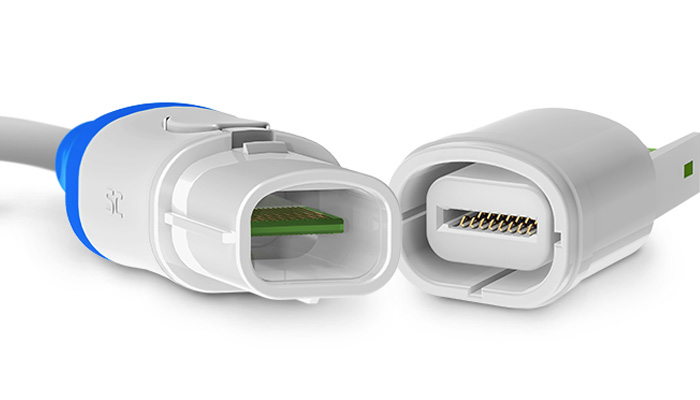
Medical electrical connectors are critical components in a wide range of healthcare devices, including patient monitors, imaging systems, infusion pumps, and surgical instruments. These connectors ensure accurate signal transmission, reliable power delivery, and overall device performance. Because medical devices operate in environments where patient safety and precision are paramount, the quality standards followed by medical connector manufacturers play a crucial role in guaranteeing reliability and compliance with regulatory requirements.
High-quality medical connector manufacturers implement rigorous quality standards to ensure that their products meet or exceed industry expectations. These standards cover every aspect of connector design, production, and testing, from material selection to manufacturing processes and final inspection. By adhering to established quality frameworks, manufacturers can deliver connectors that withstand frequent use, resist environmental stress, and provide consistent electrical performance, even in critical medical applications.
ISO 13485: Medical Device Quality Management
One of the most important standards followed by medical connector manufacturers is ISO 13485, which focuses on quality management systems for medical devices. This standard ensures that manufacturers have documented processes in place for design, production, and testing. It emphasizes consistent quality, risk management, and regulatory compliance. Adhering to ISO 13485 enables manufacturers to demonstrate their commitment to producing reliable connectors that meet the safety and performance requirements of healthcare devices.
ISO 13485 also requires rigorous documentation, traceability, and continuous improvement processes. Manufacturers must maintain detailed records of materials, components, and production methods, which helps in identifying and correcting potential issues before connectors are deployed in medical equipment. Compliance with ISO 13485 ensures that connectors support patient safety and device reliability across their entire lifecycle.
IEC 60601: Electrical Safety Standards
Electrical safety is a top priority in medical devices, making IEC 60601 a key standard for medical connector manufacturers. This standard covers the safety and performance requirements for electrical equipment in medical applications, including connectors. It specifies requirements for insulation, current ratings, and resistance to electrical hazards such as short circuits and leakage currents. Connectors that meet IEC 60601 ensure that medical devices can operate safely without posing risks to patients or healthcare professionals.
By following IEC 60601 guidelines, manufacturers guarantee that connectors provide reliable electrical performance under normal and fault conditions. This is particularly important in devices that deliver high voltage, carry sensitive signals, or require uninterrupted operation, such as ventilators and diagnostic imaging equipment.
RoHS and REACH Compliance
In addition to safety and performance standards, medical connector manufacturers often adhere to environmental and chemical regulations such as RoHS (Restriction of Hazardous Substances) and REACH (Registration, Evaluation, Authorization, and Restriction of Chemicals). RoHS compliance ensures that connectors are free from hazardous substances such as lead, mercury, and cadmium, while REACH regulations focus on limiting the use of chemicals that could pose health risks.
Complying with these standards not only protects patients and healthcare workers but also helps manufacturers meet international regulatory requirements, making their connectors suitable for global medical markets.
IPC and Industry-Specific Standards
Some manufacturers follow IPC standards for electronic interconnects, which provide guidance on materials, design, and assembly processes. These standards ensure that connectors maintain signal integrity, durability, and reliability under repeated use. Additionally, industry-specific standards may apply depending on the type of medical device, such as ISO 10993 for biocompatibility in patient-contact applications.
Following IPC and other relevant standards ensures that connectors can withstand environmental stresses, including temperature fluctuations, humidity, and exposure to cleaning agents or sterilization processes, without compromising performance.
Quality Control and Testing Procedures
Quality standards are reinforced through extensive testing and inspection procedures. Medical connector manufacturers implement rigorous mechanical, electrical, and environmental tests to validate product reliability. Mechanical testing includes repeated mating cycles, vibration, and impact tests to ensure connectors maintain secure and stable connections. Electrical testing verifies contact resistance, signal integrity, and current-carrying capacity. Environmental tests simulate exposure to temperature variations, moisture, sterilization processes, and cleaning agents.
In addition, many manufacturers implement statistical process control and in-line inspections to catch defects during production, ensuring that only connectors meeting strict criteria are shipped to clients.
Continuous Improvement and Certification
Reputable medical connector manufacturers invest in continuous improvement programs to maintain high quality standards. This includes employee training, process optimization, product audits, and customer feedback integration. Independent certification bodies often audit manufacturers to verify compliance with ISO 13485, IEC 60601, and other relevant standards, providing additional assurance of product quality.
Conclusion
Medical connector manufacturers follow a comprehensive set of quality standards to ensure the safety, reliability, and performance of their products. Compliance with ISO 13485, IEC 60601, RoHS, REACH, and industry-specific standards ensures that connectors meet regulatory requirements and can withstand the rigorous demands of medical applications. Through strict quality control, rigorous testing, and continuous improvement, these manufacturers provide connectors that support safe, reliable, and effective operation of medical devices. Selecting connectors from manufacturers committed to these standards is critical for maintaining device performance and protecting patient safety in healthcare environments.