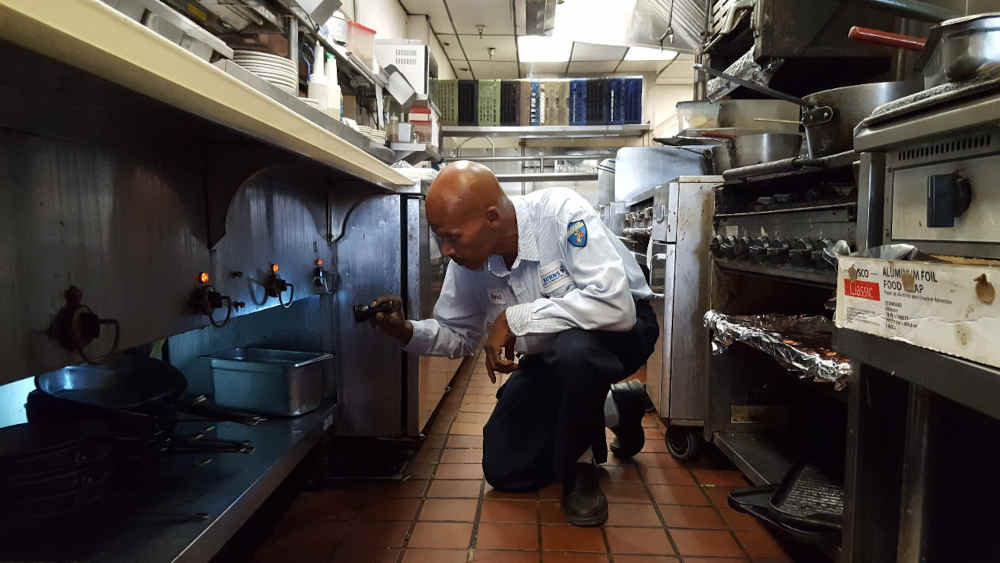
Maintaining a clean and hygienic environment is critical for restaurants. Not only does it ensure the safety of customers, but it also protects a business’s reputation and compliance with health regulations. Pests such as rodents, cockroaches, flies, and ants can infiltrate kitchens, dining areas, and storage facilities, posing serious threats to food safety and sanitation. Effective pest control is therefore essential for the smooth operation of any food establishment.
Engaging professional Pest Control for Restaurant services provides targeted solutions to prevent and manage infestations. These services combine thorough inspections, specialized treatments, and ongoing monitoring to safeguard food safety and maintain regulatory compliance. Professional intervention ensures that pest issues are addressed efficiently while minimizing risks to staff, customers, and the business environment.
Common Pests in Restaurants
Restaurants are particularly vulnerable to pests due to the abundance of food, water, and shelter. Rodents, such as rats and mice, can contaminate food supplies and gnaw through packaging or electrical wiring. Cockroaches thrive in warm, damp areas like kitchen sinks, drains, and storage rooms, spreading bacteria and triggering allergies. Flies are notorious for transferring pathogens from waste or raw food to surfaces and prepared meals, while ants can invade storage areas and spoil ingredients.
Identifying the types of pests likely to appear in a restaurant allows managers to adopt targeted control measures. Early detection is crucial, as even a small infestation can quickly escalate, compromising food safety and customer trust.
Importance of Hygiene and Food Safety
Maintaining high levels of cleanliness is the foundation of effective pest control in restaurants. Food debris, spills, and improper waste disposal attract pests and create breeding grounds. Regular cleaning of kitchen surfaces, floors, cooking equipment, and storage areas removes potential food sources and reduces the likelihood of infestations.
Proper storage of food in sealed containers, refrigeration of perishable items, and rotation of stock prevent pests from contaminating ingredients. Ensuring that waste is disposed of promptly and hygienically further limits opportunities for pests to thrive.
Inspections and Monitoring
Regular inspections and monitoring are essential components of restaurant pest control. Professional services examine the facility to identify entry points, nesting sites, and signs of pest activity. Monitoring tools, such as sticky traps or bait stations, track the presence and movement of pests, providing valuable data for tailored intervention.
Continuous monitoring allows restaurant managers to address issues proactively, preventing minor infestations from becoming major problems. It also demonstrates due diligence in maintaining food safety and complying with health regulations.
Treatment Methods
Treatment methods in restaurants must be carefully selected to ensure safety while effectively eliminating pests. Common strategies include:
- Baiting and Traps: Targeted bait stations and traps are placed in areas frequented by rodents and cockroaches, helping to reduce populations without contaminating food.
- Sanitation and Environmental Control: Addressing moisture, sealing cracks, and maintaining proper ventilation makes the environment less attractive to pests.
- Chemical Treatments: When necessary, safe, approved insecticides or rodenticides are applied by trained technicians in designated areas, minimizing risk to staff and customers.
Integrated pest management, combining multiple approaches, is often the most effective strategy for long-term control.
Employee Training and Best Practices
Staff awareness plays a key role in preventing infestations. Employees should be trained to recognize signs of pest activity, follow proper food handling procedures, and report any issues immediately. Maintaining personal hygiene, cleaning utensils and surfaces regularly, and properly managing waste are simple yet essential practices that contribute to pest prevention.
Creating a culture of vigilance within the restaurant ensures that everyone participates in maintaining a safe and pest-free environment. Routine staff training reinforces compliance with hygiene standards and supports the overall pest control program.
Regulatory Compliance and Documentation
Restaurants must comply with local health and safety regulations, which often include mandatory pest control measures. Professional services provide documentation of inspections, treatments, and preventive measures, demonstrating adherence to legal requirements. Keeping records of pest management activities helps during audits and inspections and ensures accountability.
Regulatory compliance not only avoids penalties but also reassures customers that the establishment prioritizes food safety and hygiene.
Long-Term Prevention Strategies
Sustainable pest control involves more than reacting to infestations. Long-term strategies include regular cleaning schedules, structural maintenance, monitoring programs, and ongoing staff training. Addressing conditions that attract pests—such as moisture, clutter, and unsealed food—reduces the risk of future problems.
Periodic reviews of pest control measures, combined with professional advice, help restaurants maintain a consistently safe and hygienic environment.
Conclusion
Pests pose significant risks to restaurants, affecting food safety, hygiene, and customer trust. Implementing professional Pest Control for Restaurant services ensures that infestations are addressed effectively, hygiene standards are maintained, and regulatory compliance is achieved. By combining inspections, targeted treatments, monitoring, and preventive practices, restaurants can protect their operations, safeguard customers, and uphold their reputation for cleanliness and safety.


