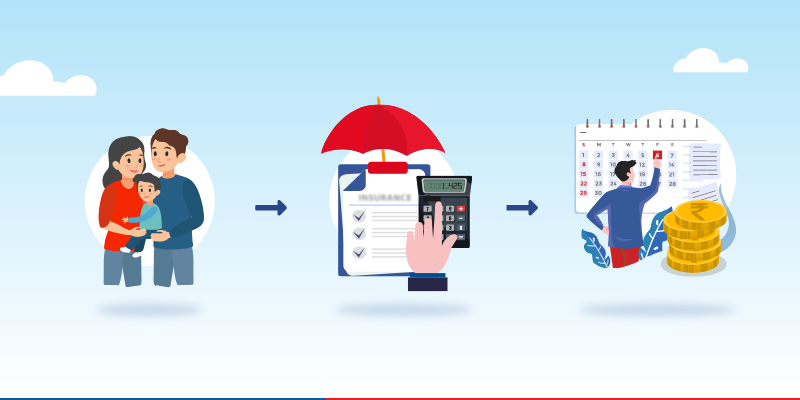
Managing a life insurance premium effectively is an important part of long-term financial planning. As individuals take on different responsibilities throughout life, they often hold multiple life insurance plans, such as term insurance, savings-linked policies or retirement-focused covers. Each plan serves a different purpose, but premiums must be managed carefully so that the policies remain active without causing financial strain. With rising costs and evolving financial needs in 2026, knowing how to balance premium payments across policies can help households maintain essential protection while staying financially stable.
Review coverage needs at each life stage
A key starting point is reviewing how much coverage is needed at different stages of life. Younger individuals generally seek high coverage at lower cost, while families with children may consider additional policies or riders. As responsibilities change, some coverage may no longer be necessary. Reviewing policies regularly ensures that premium payments match actual needs rather than outdated assumptions. This helps prevent overpayment and keeps essential protection intact.
Avoid holding overlapping policies
Many policyholders accumulate multiple life insurance plans over time without realising that some benefits overlap. This can lead to unnecessary premium payments. Consolidating plans where possible, or discontinuing older products that no longer meet financial goals, can help streamline expenses. By avoiding duplication, individuals ensure that every life insurance premium contributes meaningfully to long-term protection.
Choose premium payment modes that suit cash flow
Premiums can often be paid monthly, quarterly, half-yearly or annually. Selecting the right mode helps manage expenses more comfortably. For individuals with steady income, annual payments may offer discounts or lower processing fees. Those with variable income may prefer monthly or quarterly modes to avoid financial pressure. Matching payment schedules with cash flow ensures premium commitments remain manageable throughout the year.
Compare policies before purchasing new ones
Before adding a new policy to an existing portfolio, comparing premium costs and benefits across insurers helps avoid long-term overspending. Different life insurance plans can vary significantly in cost due to factors such as age, coverage amount and optional riders. Comparing policies allows buyers to choose products offering maximum value at sustainable premium levels. This reduces the risk of accumulating expensive plans that become difficult to maintain later.
Use riders instead of multiple standalone policies
Instead of purchasing several separate policies, riders can be a cost-effective way to enhance protection. Riders for accidental death, disability or critical illness can be added to an existing plan for an additional but smaller premium. They help policyholders avoid paying full premiums for multiple standalone policies with similar benefits. This strategy simplifies premium management and keeps overall costs lower.
Automate payments to avoid lapses
Forgetting to pay a life insurance premium can lead to policy lapses, reinstatement charges or even loss of coverage. Setting up automated payments ensures that premiums are paid on time without manual reminders. Automation also helps avoid late fees and the inconvenience of reactivation procedures, especially for policies held for several years.
Reassess affordability during financial changes
During periods such as job changes, medical expenses or new financial responsibilities, reviewing affordability is crucial. Policyholders may adjust premium modes, reduce optional riders or modify coverage amounts to keep policies active. Maintaining protection is important, but premiums should remain aligned with financial capacity. Reassessing affordability ensures long-term sustainability.
Take advantage of tax benefits
Premiums paid for life insurance plans may offer tax advantages, reducing overall tax liability and making premiums more affordable. Using available tax benefits helps households manage premium costs more effectively while supporting broader financial goals.
Conclusion
Managing a life insurance premium across multiple life insurance plans requires periodic review, careful budgeting and strategic adjustments. By using payment modes wisely, avoiding duplicate coverage and maintaining affordability, policyholders can protect their families while keeping long-term financial commitments stable and sustainable.