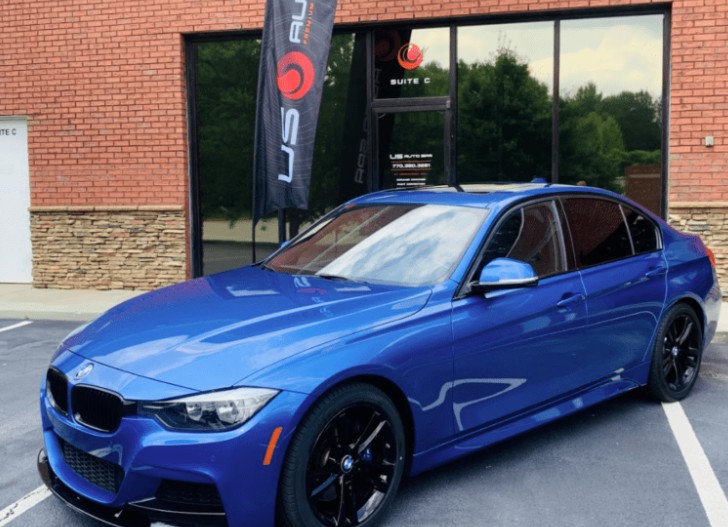
Owning a car is a dream for many, but financing the purchase often presents a challenge. Car loans are a popular option for buyers seeking to split the total cost of their vehicle into manageable installments. However, the interest rate on your loan plays a crucial role in determining the total amount you’ll ultimately pay for your car. In this article, we explore 10 proven strategies to help you reduce your car loan interest rate, making your vehicle purchase more affordable.
Proven Ways to Lower Your Car Loan Interest Rate
Compare Interest Rates Before Making a Decision
Before applying for a car loan, it’s essential to shop around and compare loan offers from various lenders. Different banks, credit unions, and online lenders offer varying interest rates, so take the time to assess your options. You can do this by visiting local branches, reviewing online platforms, or speaking to loan officers. When you apply for car loan online, you may even find lenders offering exclusive rate discounts for digital applications.
Improve Your Credit Score
Your credit score significantly impacts the interest rate offered by lenders. Borrowers with a higher credit score are considered less risky and generally receive lower interest rates. Dedicate time to improving your credit score by clearing pending debts, paying bills on time, and maintaining a low credit utilization ratio. Before applying for a car loan, pull your credit report, identify any issues, and rectify them promptly.
Opt for a Shorter Loan Term
The loan term refers to the duration over which you’ll repay your car loan. While longer terms may seem appealing due to lower monthly payments, they often come with higher interest rates. Shorter terms, though requiring higher monthly payments, tend to have lower interest rates and reduce the total interest paid over time. To save money, consider opting for a loan term that balances affordability and interest savings.
Make a Larger Down Payment
While it might be tempting to finance the entire cost of your car, making a larger down payment significantly reduces your loan amount and can lead to better interest rates. Lenders view borrowers who make substantial upfront payments as less risky, rewarding them with lower rates. For example, if you’re purchasing a car, consider saving up and putting down 20–30% of the vehicle’s price to secure a favorable rate.
Research Special Offers for Online Applications
Applying for a car loan online can sometimes be a cost-effective choice. Many lenders provide discounted interest rates or waivers on processing fees for online applications due to reduced administrative expenses. When you apply for a car loan online, ensure you explore these potential benefits and compare the terms offered by different platforms.
Refinance Your Existing Loan
If you’ve already taken out a car loan but feel your interest rate is too high, consider refinancing. Refinancing involves taking out a new loan to repay your current loan at better terms. If market rates have dropped or your credit score has improved, refinancing can help reduce your car loan interest rates, potentially saving thousands over the loan duration.
Negotiate With Your Lender
Don’t be afraid to negotiate with your lender. If you have a solid credit score, a steady income, and a positive payment history, use these factors to your advantage when discussing interest rates. Present lender quotes from competitors and ask for a better rate. In many cases, lenders may be willing to offer a discount to retain your business.
Choose a Fixed or Variable Interest Rate Wisely
When applying for a car loan, lenders may offer you a choice between fixed and variable interest rates. Fixed rates remain the same throughout your loan term, while variable rates can fluctuate based on market conditions. If you’re expecting interest rates to drop soon, a variable rate may help you save money. However, if rates are likely to rise, locking in a fixed rate will be the safer option.
Take Advantage of Dealer Financing Offers
Car dealerships often partner with lenders to offer financing packages, including promotional interest rates. These packages may come with lower rates or extended payment terms to encourage buyers. If you’re considering dealer financing, ensure you check the terms and compare them to traditional offers. Dealer incentives such as zero-percent interest rates might sound enticing, but they often come with caveats like higher upfront costs.
Pay Off the Loan Early
Many lenders charge interest based on the unpaid loan principal, which means paying off your loan faster can reduce your total interest payments. If your loan terms do not include prepayment penalties, consider making extra payments or paying a lump sum when possible. By paying off your loan early, you’ll save money and achieve financial freedom sooner.
Final Thoughts
When financing a car purchase, every percentage point in interest rates can significantly impact your overall spending. Whether you’re buying through a dealership, bank, or applying for a car loan online, use these strategies to secure the lowest possible interest rate. From improving your credit score and making larger down payments to refinancing or negotiating with lenders, each tip offers a practical path to saving money.
It’s equally important to carefully read the terms and conditions of your car loan before signing the agreement. Hidden fees, penalties for early repayment, and other clauses can increase your overall costs. By adopting smart borrowing practices, you can reduce your financial burden and drive off in your dream car without breaking the bank.
As you start exploring car loan options, remember that financial clarity and due diligence are key to securing the best rates. Good luck on your journey towards owning the car of your dreams!
ChatGPT can make mistakes. Check important info. See Cookie Preferences.