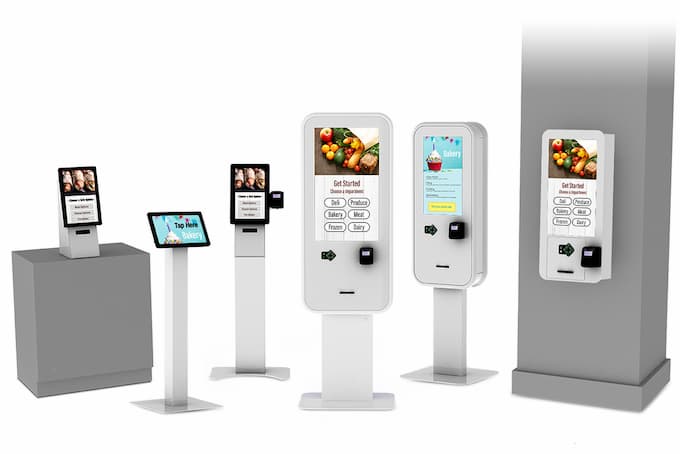
In today’s fast-paced retail, hospitality, and service industries, self-service kiosks have become vital tools for improving efficiency and enhancing customer experiences. These kiosks allow customers to place orders, make payments, check in, or access information independently. The seamless functionality of these kiosks depends heavily on the integration of hardware and software, a process carefully managed by professional self-service kiosk manufacturers.
The Role of Self Service Kiosk Manufacturers
A self-service kiosk manufacturer is responsible for designing, developing, and producing kiosks that combine hardware and software to deliver a smooth, reliable user experience. A professional Self Service Kiosk Manufacturer ensures that every component, from the touchscreen display to the payment terminal, works in harmony with the underlying software. This integration is essential for operational efficiency, accuracy, and customer satisfaction, particularly in high-traffic environments like retail stores, restaurants, and airports.
Manufacturers begin by assessing the specific needs of businesses, determining which hardware and software configurations will provide the most effective solution. By doing so, they create kiosks that are tailored to the operational workflows of each client, whether that involves self-checkout, ticketing, booking, or other interactive functions.
Hardware Components in Self-Service Kiosks
Hardware is the backbone of any self-service kiosk, providing the physical interface through which users interact with the system. Key hardware components include touchscreens, card readers, printers, barcode scanners, and internal computing units.
Touchscreens are often the most visible component, requiring manufacturers to select durable, responsive, and high-resolution displays. Tempered glass is commonly used for durability, while advanced touch technologies, such as capacitive or infrared systems, ensure accurate input. Payment terminals and card readers are integrated to support secure transactions, while receipt printers, barcode scanners, and cameras add functionality tailored to specific applications.
Manufacturers focus on ergonomics and durability in hardware design, ensuring kiosks are user-friendly and capable of withstanding high usage in demanding environments. The choice of materials, such as steel or aluminum frames and impact-resistant plastics, contributes to the reliability and longevity of the kiosks.
Software Development and Integration
While hardware provides the interface, software drives the functionality of self-service kiosks. Manufacturers develop software platforms that handle transactions, manage data, and communicate with other business systems, such as point-of-sale (POS) platforms, inventory management tools, and customer relationship management (CRM) software.
The integration process involves configuring software to work seamlessly with the selected hardware. For example, the touchscreen must accurately register user input, the card reader must process payments securely, and the printer must produce receipts without delays or errors. Manufacturers also ensure that the software interface is intuitive, with clear navigation and accessible options to enhance the user experience.
Ensuring Security and Reliability
Integrating hardware and software also requires careful attention to security and reliability. Self-service kiosks often handle sensitive customer data, including payment information and personal details. Manufacturers implement encryption, secure payment protocols, and compliance with standards such as PCI DSS to protect this information.
Reliability is equally important. Manufacturers conduct extensive testing to ensure that the hardware components function correctly under continuous use and that the software performs consistently without crashes or delays. This testing reduces downtime, prevents transaction errors, and maintains customer confidence in the system.
Customization and Industry-Specific Solutions
One of the advantages of working with experienced self-service kiosk manufacturers is the ability to customize both hardware and software for specific industries. Retail kiosks may feature product catalogs, inventory checks, and loyalty program integration, while hospitality kiosks may handle bookings, check-ins, and service payments.
Manufacturers provide modular hardware designs and configurable software platforms, allowing businesses to scale kiosks across multiple locations or upgrade systems with minimal disruption. This flexibility ensures that kiosks remain relevant and adaptable to evolving business needs.
Deployment and Support
After integrating hardware and software, manufacturers also assist with deployment, installation, and ongoing maintenance. They provide guidance on optimal placement, connectivity setup, and system configuration to ensure seamless operation. Post-deployment support may include software updates, troubleshooting, and component replacements to maintain long-term performance.
Conclusion
The integration of hardware and software is the cornerstone of effective self-service kiosks. By combining durable, responsive hardware with intuitive and secure software, self-service kiosk manufacturers deliver devices that enhance operational efficiency, reduce labor costs, and improve customer experiences. From touchscreen displays and payment terminals to backend software and system integration, manufacturers ensure that every component works together seamlessly. Businesses that partner with experienced manufacturers benefit from reliable, customizable, and scalable kiosk solutions that meet the demands of modern retail and hospitality environments.