Disposable cutlery is an essential part of modern foodservice, catering, and delivery operations. With increasing environmental awareness and regulatory pressure, businesses face an important decision: whether to use traditional plastic cutlery or switch to biodegradable alternatives. Understanding the differences, benefits, and limitations of each option is crucial for restaurants, catering services, and other food businesses.
Partnering with a reliable disposable cutlery manufacturer provides access to both plastic and biodegradable options, along with expert guidance on selecting the right products based on operational needs, sustainability goals, and customer expectations.
Material Composition and Performance
Plastic cutlery is typically made from polystyrene (PS) or polypropylene (PP), offering high durability and resistance to bending or breaking. It is suitable for a variety of foods, including heavy or dense items, and can withstand moderate heat. Plastic utensils are inexpensive and widely available, making them a convenient choice for high-volume operations.
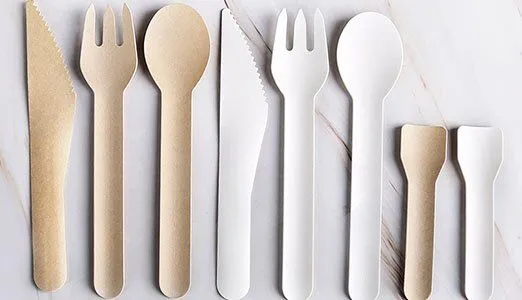
Biodegradable cutlery, on the other hand, is made from materials such as polylactic acid (PLA), bagasse, bamboo, wood, or wheat straw. These materials are designed to decompose naturally under appropriate composting conditions. While biodegradable cutlery is environmentally friendly, its performance can vary. For example, PLA works well with cold or room-temperature foods but may soften with hot meals, while bagasse and bamboo offer heat resistance and sturdiness comparable to plastic.
Environmental Impact
The most significant difference between plastic and biodegradable cutlery lies in environmental impact. Traditional plastics are non-biodegradable and can persist in landfills for hundreds of years. They contribute to pollution, including microplastic contamination in soil and waterways, and have a high carbon footprint due to fossil fuel-based production.
Biodegradable cutlery reduces environmental impact by breaking down naturally. Bagasse, bamboo, and wheat straw are derived from renewable resources, and PLA is made from plant-based starches. Using biodegradable options supports sustainability initiatives, reduces landfill waste, and appeals to environmentally conscious consumers.
Cost Considerations
Plastic cutlery is generally less expensive to produce and purchase, making it suitable for businesses operating on tight budgets or handling high volumes. However, it comes with long-term environmental costs and potential regulatory challenges, especially in regions banning single-use plastics.
Biodegradable cutlery is typically more expensive due to raw material sourcing, production complexity, and compliance with compostable standards. Despite the higher initial cost, many businesses consider it a worthwhile investment due to consumer preference for eco-friendly products, potential marketing benefits, and compliance with environmental regulations.
Regulatory Compliance
Governments around the world are increasingly regulating single-use plastics. Plastic cutlery faces restrictions or bans in many regions, requiring businesses to explore sustainable alternatives. Biodegradable cutlery often meets regulatory requirements for compostability and safe disposal, making it a more future-proof choice for businesses operating in eco-conscious markets.
Disposable cutlery manufacturers ensure that biodegradable products comply with industry standards, such as ASTM D6400 or EN 13432, providing assurance of both safety and environmental responsibility.
Customization Options
Both plastic and biodegradable cutlery can be customized for branding purposes, including logos, colors, and packaging. However, biodegradable materials sometimes require specialized printing techniques to maintain compostability or avoid affecting material integrity. Reputable manufacturers can guide businesses in achieving effective customization without compromising environmental benefits or product durability.
Storage and Handling
Plastic cutlery has a longer shelf life and is less sensitive to moisture or temperature fluctuations, making storage easier for high-volume operations. Biodegradable cutlery, particularly plant-based or compostable types, requires proper storage in dry, cool environments to prevent premature degradation. Businesses must consider storage conditions when deciding between plastic and biodegradable options.
Customer Perception
Consumer awareness and preference increasingly favor biodegradable products. Restaurants and catering services that use eco-friendly cutlery can enhance their brand reputation, attract environmentally conscious customers, and align with sustainability initiatives. Plastic cutlery, while practical and cost-effective, may be viewed less favorably in markets where environmental responsibility is a priority.
Conclusion
Choosing between plastic and biodegradable cutlery involves evaluating material performance, environmental impact, cost, regulatory compliance, customization possibilities, and customer expectations. Plastic cutlery offers durability and affordability but carries significant environmental drawbacks. Biodegradable alternatives provide eco-friendly benefits, regulatory compliance, and positive brand perception, though they require careful handling and higher upfront costs.
By collaborating with a knowledgeable disposable cutlery manufacturer, businesses can make informed decisions, ensuring that their cutlery choices meet operational needs while aligning with sustainability goals and market trends. This strategic approach balances functionality, cost, and environmental responsibility, supporting both business efficiency and positive customer experiences.