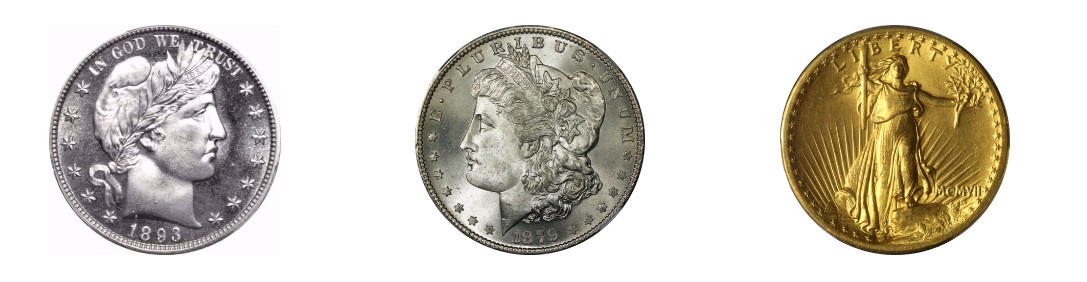
Investors today face countless options when building wealth. Stocks swing wildly. Bonds offer low returns. Real estate demands huge capital. But one asset has stood the test of time for thousands of years. That asset is silver. When you buy silver bullion, you’re not just purchasing metal. You’re securing tangible wealth that governments can’t print and markets can’t erase. Many people search for silver bullion for sale without understanding what makes this precious metal special. This guide breaks down everything you need to know about silver bullion investment in plain language.
Silver has been money for over 5,000 years. Ancient civilizations from Rome to China used it for trade. Today, it serves dual purposes. Silver works as both an investment and an industrial metal. This unique position gives it value that goes beyond speculation. Unlike paper assets, you can hold silver in your hand. You own something real. Something that can’t disappear in a market crash or bank failure.
What Exactly Is Silver Bullion
Silver bullion refers to pure silver in physical form. It comes in bars, coins, and rounds. The key difference from jewelry or silverware is purity. Bullion contains 99.9% pure silver. Some products reach 99.99% purity. This high standard matters for investors. You’re paying for silver content, not artistic design.
Bars come in various sizes. You can buy one-ounce bars or go up to 100-ounce bars. Smaller bars cost more per ounce due to manufacturing costs. Larger bars give you more metal for your money. But they’re harder to sell in small amounts. If you need $500 and own a 100-ounce bar worth $2,500, you can’t break off a piece. You’d need to sell the whole bar.
Coins offer more flexibility. Government mints produce them. American Silver Eagles, Canadian Maple Leafs, and Austrian Philharmonics are popular choices. These coins carry a small premium over the silver spot price. But they’re recognized worldwide. That recognition makes them easier to sell. Rounds look like coins but aren’t legal tender. Private mints make them. They usually cost less than government coins but may be harder to resell.
Why Silver Makes Sense Right Now
Silver prices historically track gold but at a lower cost. This makes silver accessible to regular investors. You don’t need $2,000 to start like you do with gold. You can begin with $30 for a single ounce. This low entry point helps new investors test the waters. You can buy one ounce, see how you feel about physical metals, then decide if you want more.
Industrial demand drives silver in ways gold doesn’t experience. Silver conducts electricity better than any other metal. It’s in your phone, computer, and car. Solar panels need significant silver. Electric vehicles use twice as much silver as gas cars. As the world goes green, silver demand climbs. This industrial use creates a floor under silver prices. Even if investment demand drops, factories still need silver.
The gold-to-silver ratio tells an interesting story. Historically, this ratio averaged around 15 to 1. That means 15 ounces of silver equaled one ounce of gold. Today, the ratio sits much higher. This suggests silver is undervalued compared to gold. When the ratio narrows, silver prices tend to jump faster than gold. Smart investors watch this ratio for entry points.
Understanding Silver Bullion Pricing
Silver trades globally based on spot price. This price changes every second during market hours. The spot price reflects what large institutions pay for immediate delivery of 1,000-ounce bars. When you buy smaller amounts, you pay a premium above spot. This premium covers minting, distribution, and dealer costs.
Premiums vary widely. During high demand, premiums spike. In 2020, some dealers charged $10 over spot for a Silver Eagle. That’s a huge markup on a $25 coin. Normal premiums run $3 to $5 over spot. Shop around before buying. Different dealers offer different prices. Some online dealers beat local coin shops by significant margins.
Park Avenue Numismatics has served collectors and investors since 1983. They offer competitive pricing on silver bullion products with transparent premiums. Their experienced team helps both new and seasoned investors navigate the precious metals market. As a family-owned business, they prioritize customer education and long-term relationships over quick sales.
The Pros of Owning Physical Silver
Tangible assets provide security that paper investments can’t match. When you own physical silver, nobody can hack it, delete it, or claim it doesn’t exist. Bank accounts freeze. Brokerage firms collapse. Silver bars don’t care about market hours or internet connections. This independence from the financial system appeals to many investors.
Silver acts as insurance against currency devaluation. Governments print money when they face problems. More money chasing the same goods causes inflation. Silver maintains purchasing power during inflation. An ounce of silver bought roughly the same amount of bread in ancient Rome as it does today. Your dollars won’t make that claim. As central banks expand money supplies, precious metals protect wealth.
Privacy comes with physical ownership. Unlike stocks or bonds, silver purchases don’t automatically report to government agencies. Cash transactions under certain amounts remain private. You can store silver without anyone knowing. This privacy matters to people who value financial discretion. Some investors want assets outside the banking system. Silver delivers that option.
No counterparty risk exists with physical silver. When you own stock, you depend on the company performing well. With bonds, you rely on the borrower repaying. ETFs trust fund managers. Physical silver depends on nobody. The metal has intrinsic value. Industries need it. Investors want it. This independence from others’ actions provides peace of mind.
The Challenges of Silver Investment
Storage presents the first challenge. Silver is bulky. It weighs more than gold for the same dollar value. A $10,000 gold investment fits in your pocket. The same investment in silver fills a shoebox. You need secure storage space. Home safes work for small amounts. Larger holdings require safety deposit boxes or professional vault storage. Each option costs money and adds complexity.
Liquidity isn’t instant like stocks. You can’t click a button and sell silver at 2 AM. You need to find a buyer. Local coin shops offer convenience but often pay below market value. Online dealers give better prices but require shipping time. During emergencies, selling quickly might mean accepting less than fair value. This delay differs from selling stocks that execute in seconds.
Price volatility can shake new investors. Silver swings more than gold. A 10% move in a week isn’t unusual. In 2020, silver jumped from $12 to $30 in months. Then it fell back to $22. These swings create opportunity but also stress. If you need your money next month, silver might not be the right choice. Long-term holders weather these storms better than short-term traders.
Premiums cut into profits when you buy and sell. You might pay $5 over spot when buying. Dealers might offer $2 under spot when you sell. That $7 spread means silver needs to rise significantly before you break even. Factor this into your planning. Don’t expect to flip silver for quick profits. The costs make it better for long-term holding.
How to Start Buying Silver Bullion
Begin with education before spending money. Learn the difference between numismatic coins and bullion. Numismatic coins carry collectible value beyond silver content. They cost more and require expertise to value properly. Stick with bullion when starting. You want maximum silver for your dollars. Fancy coins can come later after you understand the market.
Set a budget you can afford to lock up. Don’t invest money you’ll need next month. Silver works best as long-term wealth preservation. Think in years, not weeks. Start small if you’re nervous. Buy one or two ounces. Get comfortable with the process. Then scale up as confidence grows.
Choose reputable dealers with track records. Park Avenue Numismatics has built trust over decades by treating customers fairly and providing authentic products. They offer various silver bullion options from government mint coins to private mint bars. Their website shows real-time pricing so you know exactly what you’re paying. Customer reviews and industry reputation matter when dealing with precious metals.
Verify authenticity when you receive your silver. Government coins are harder to fake than generic rounds. Check weight on a scale. Silver has specific gravity that fakes can’t match perfectly. A magnet test helps too. Silver isn’t magnetic. If your coin sticks to a magnet, something’s wrong. These simple tests catch most counterfeits. Dealers should also guarantee authenticity.
Storage and Security Considerations
Home storage offers convenience and zero ongoing fees. A good safe costs $500 to $2,000 depending on size and fire rating. Bolt it to the floor or wall. Thieves grab unsecured safes and open them later. Don’t tell people about your silver. The biggest security risk is someone knowing you own valuable metals. Keep purchases private even from extended family and friends.
Bank safety deposit boxes provide security at low cost. Most banks charge $50 to $200 yearly. The bank doesn’t know box contents. This gives privacy with professional security. However, you can only access your silver during bank hours. If banks close during a crisis, you can’t get your metal. This limitation concerns some investors who want 24/7 access.
Professional vault storage costs more but offers insurance and liquidity. Companies like Brinks store precious metals in segregated accounts. Your silver stays separate from others. Insurance protects against theft or loss. Some services let you sell remotely without taking physical delivery. This works well for large holdings where home storage becomes impractical or risky.
Silver Versus Other Investments
Stocks offer higher growth potential but come with more risk. A good stock might double in years. But it could also drop 50% in weeks. Silver moves slower but provides stability. It won’t make you rich overnight. But it probably won’t bankrupt you either. Think of silver as the steady player in your portfolio. Stocks provide growth. Silver provides protection.
Real estate builds wealth through appreciation and rental income. But it requires large capital and ongoing management. Silver needs no maintenance. It doesn’t call you about broken pipes. The trade-off is that silver produces no income. It just sits there holding value. Real estate works better for some. Silver fits others. Many investors own both for diversification.
Gold gets more attention than silver but costs much more per ounce. This higher price makes gold better for storing large wealth in small space. Silver works better for smaller investors building positions over time. Both metals belong in a diversified portfolio. The question isn’t gold versus silver. It’s how much of each based on your situation and goals.
When to Buy and When to Wait
Dollar-cost averaging removes timing stress. Instead of trying to buy at the perfect moment, purchase small amounts regularly. Buy one ounce every month regardless of price. Some months you’ll pay more. Other months you’ll pay less. Over time, you’ll average a fair price. This strategy works especially well with silver’s volatility.
Watch for extreme premiums as warning signs. When dealers charge $8 or $10 over spot, demand has outstripped supply. You’re paying too much above melt value. Wait for premiums to normalize unless you absolutely need to buy. Patience saves money in precious metals. The metal will still be there next month at hopefully better prices.
Economic uncertainty often pushes silver higher. When stock markets crash, investors flee to safety. Silver and gold typically rise during these times. But don’t wait for crashes to start buying. By then, premiums spike and availability drops. Build your position during calm times. Then you’re already protected when storms hit.
Final Thoughts on Silver Bullion Investment
Silver bullion offers regular people a way to own real wealth. You don’t need millions to start. You don’t need special knowledge to begin. Buy a few ounces. Hold them in your hand. Feel the weight. That physical connection to your wealth provides something paper assets never can. Silver has been money longer than any government has existed. It will likely outlast the governments of today too.
Park Avenue Numismatics provides the products and expertise to help you build a silver position that makes sense for your situation. Their decades of experience mean you’re working with people who’ve seen multiple market cycles. They understand that customer relationships matter more than single transactions. Whether you’re buying your first ounce or your thousandth, their team offers the same attention and respect.
Start small and learn as you go. Silver investment isn’t complicated once you understand the basics. Focus on recognized products with low premiums. Store your metal securely. Think long-term. Don’t panic over short-term price moves. Silver won’t make you rich next week. But over years and decades, it preserves wealth when other assets fail. That reliability matters more than flashy gains. Your future self will thank you for taking this step toward financial security.