In industrial environments where large fasteners secure critical equipment, precision is not a preference—it is a requirement. Whether it is a pipeline flange, a turbine casing, or a structural joint, the integrity of these connections directly affects safety, performance, and service life. Achieving accurate torque consistently across multiple fasteners demands more than manual effort. This is where specialized hydraulic systems become essential for modern bolting operations.
A torque wrench pump serves as the driving force behind hydraulic torque tools, supplying controlled hydraulic pressure that translates into precise torque output. Without a reliable pump, even the most advanced torque wrench cannot perform accurately. Understanding how these pumps work and why they matter is key for anyone involved in heavy-duty bolting applications.
What Is a Torque Wrench Pump?
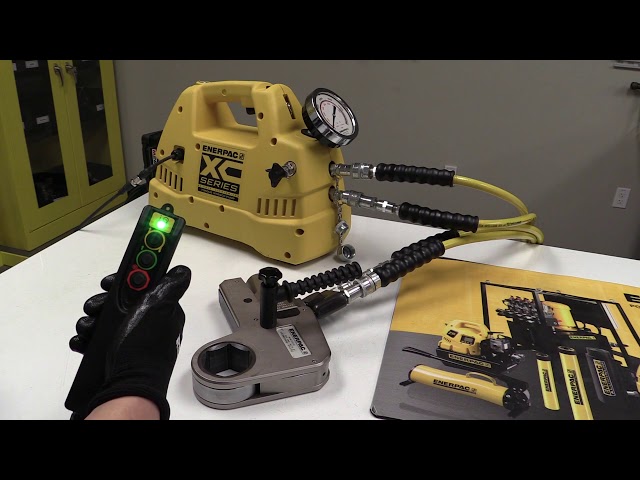
A torque wrench pump is a hydraulic power unit designed to generate and regulate pressure for hydraulic torque wrenches. It delivers pressurized fluid through high-strength hoses to the wrench, where that pressure is converted into rotational force. The pump allows operators to control torque values accurately by adjusting hydraulic pressure rather than relying on physical strength or guesswork.
These pumps are engineered to handle extreme pressures while maintaining stable and repeatable output. This stability ensures that every bolt is tightened to specification, which is critical in applications involving high loads or safety-sensitive joints.
How Torque Wrench Pumps Work
The operation of a torque wrench pump follows a straightforward but highly precise process:
- The pump motor or manual mechanism pressurizes hydraulic fluid.
- Pressurized fluid flows through reinforced hoses to the torque wrench.
- Inside the wrench, hydraulic pressure moves a piston or drive mechanism.
- This movement generates controlled rotational force on the fastener.
By adjusting the pressure settings on the pump, operators can achieve exact torque values as required by engineering specifications. This method provides far greater accuracy than impact or manual torque tools.
Types of Torque Wrench Pumps
Different job sites and applications require different pump configurations. The most common types include:
Electric Torque Wrench Pumps
These pumps are widely used in workshops, refineries, and power plants. They offer consistent performance, adjustable pressure settings, and ease of operation for extended tasks.
Pneumatic Torque Wrench Pumps
Ideal for hazardous or explosive environments, pneumatic pumps use compressed air instead of electricity. They are commonly found in oil and gas facilities where electrical equipment may pose risks.
Manual Hydraulic Pumps
These are compact and portable, making them suitable for remote locations or emergency tasks. While they require physical effort, they still provide controlled torque output.
Battery-Powered Pumps
Modern battery-powered pumps combine portability with automation. They are increasingly popular for fieldwork where mobility and quick setup are essential.
Each type offers unique advantages depending on power availability, safety requirements, and workload.
Key Features That Define a Quality Pump
Not all torque wrench pumps are created equal. High-quality pumps typically include:
- Accurate Pressure Gauges: Ensure precise torque control
- Durable Construction: Designed to withstand harsh industrial environments
- Pressure Relief Valves: Protect equipment from over-pressurization
- User-Friendly Controls: Simplify operation and reduce errors
- Compatibility: Designed to work seamlessly with various torque wrench models
These features collectively improve reliability, safety, and ease of use.
Why the Pump Is Critical to Torque Accuracy
The accuracy of a hydraulic torque system depends heavily on the pump. Even a high-quality wrench cannot compensate for unstable or inaccurate pressure delivery. A well-calibrated pump ensures that the pressure applied corresponds exactly to the desired torque value.
This precision is especially important in applications such as flange bolting, where uneven torque can lead to leaks, gasket failure, or long-term structural issues. Consistent pressure delivery across all bolts ensures uniform load distribution and improved joint integrity.
Applications Across Major Industries
Torque wrench pumps are essential across a wide range of industries, including:
- Oil and Gas: Pipeline flanges, pressure vessels, and offshore platforms
- Power Generation: Turbines, generators, and boiler assemblies
- Wind Energy: Tower sections, nacelles, and blade connections
- Heavy Construction: Bridges, cranes, and large steel structures
- Marine and Shipbuilding: Engine mounts and deck equipment
In each case, the pump plays a central role in ensuring safe and accurate bolting.
Safety Considerations When Using Torque Wrench Pumps
While torque wrench pumps improve safety compared to manual methods, proper handling is still essential. Operators should follow these best practices:
- Inspect hoses and fittings before operation
- Ensure pressure settings match torque requirements
- Keep hands clear of reaction points during tightening
- Use calibrated equipment for critical applications
- Follow manufacturer operating guidelines
Proper training and routine inspections significantly reduce the risk of accidents and equipment damage.
Maintenance and Calibration for Long-Term Performance
Regular maintenance is vital to keep torque wrench pumps operating at peak performance. Hydraulic fluid should be checked and replaced as recommended, and filters should be cleaned to prevent contamination. Seals and connections must be inspected for leaks or wear.
Calibration is equally important. Over time, pressure gauges and internal components can drift, affecting torque accuracy. Periodic calibration ensures that the pump delivers the correct pressure, protecting both equipment and personnel.
Choosing the Right Torque Wrench Pump
Selecting the right pump involves more than just pressure capacity. Key factors to consider include:
- Required torque range
- Job site power availability
- Environmental and safety conditions
- Frequency and duration of use
- Compatibility with existing torque wrenches
Working with a reputable supplier that offers technical support and after-sales service can greatly simplify this process.
The Future of Torque Wrench Pump Technology
As industrial demands evolve, torque wrench pumps continue to advance. Modern innovations include digital pressure displays, automated pressure control, data logging for quality assurance, and lighter, more compact designs. These developments improve accuracy, traceability, and operator convenience.
Battery-powered and smart pumps are also gaining traction, offering flexibility without compromising performance.
Final Perspective
In heavy bolting operations, the pump is the heart of the hydraulic torque system. A reliable torque wrench pump ensures accurate torque delivery, enhances safety, and improves overall efficiency. By understanding its role, features, and maintenance needs, industries can achieve consistent fastening results that protect assets and prevent costly failures.