In the world of finance, one term that often makes headlines is the repo rate. Whether you are applying for an online personal loan or looking to secure a mortgage, the repo rate indirectly affects the interest rates you pay on your loans. Understanding the repo rate meaning is crucial for borrowers, investors, and businesses alike, as it plays a significant role in shaping the economy and your financial decisions.
In this article, we’ll delve into the definition of repo rate, how it works, and its impact on personal loans, along with other financial instruments. By the end, you’ll have a clear understanding of the repo rate and its importance in the lending system.
What is the Repo Rate?
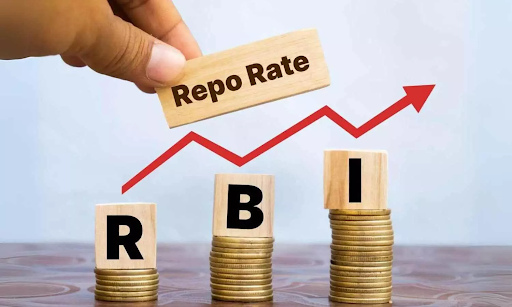
The repo rate—short for ‘repurchase rate’—is the interest rate at which a country’s central bank lends money to commercial banks in the case of a financial shortfall. In India, this rate is decided and managed by the Reserve Bank of India (RBI). Essentially, this rate determines the cost at which banks borrow funds from the central bank to meet their immediate financial needs.
When banks take loans from the central bank, they usually pledge government securities as collateral. The lender (central bank) charges interest on these loans, and this interest rate is what we call the repo rate. Changes in repo rate have a direct impact on the economy, as they influence liquidity, inflation, and the overall cost of borrowing.
Why Does the Repo Rate Matter?
To understand the repo rate meaning fully, let’s explore why it is so important. The repo rate is a monetary policy tool used by central banks to regulate liquidity, stabilize inflation, and promote growth in the economy. Here’s why it matters:
- Inflation Control: If inflation is high, the central bank typically increases the repo rate to make borrowing more expensive.
- Economic Growth: When the economy needs a boost (such as during a recession), the central bank may lower the repo rate.
- Loan Interest Rates: As banks borrow money from the central bank, the cost of this borrowing influences the interest rates they charge consumers for loans.
How Does Repo Rate Impact Loans?
The repo rate has a significant impact on the interest rates for loans, both directly and indirectly. If you’re planning to apply for an online personal loan, understanding the repo rate can help you evaluate the cost of borrowing. Here’s how the repo rate impacts loans:
1. Direct Impact on Interest Rates
When the central bank changes the repo rate, the borrowing cost for banks changes too. Financial institutions adjust their loan and deposit rates based on the repo rate.
- Increase in Repo Rate: If the repo rate rises, banks have to pay higher interest to borrow money.
- Decrease in Repo Rate: If the repo rate is reduced, loans become cheaper.
2. Impact on Fixed vs. Floating Interest Rates
When people apply for online personal loans, they often choose between fixed and floating interest rates. The repo rate primarily influences floating rates.
On the other hand, fixed rates remain unaffected by repo rate changes.
3. Effect on Loan Approval Rates
During periods of low repo rate and cheap borrowing costs, banks tend to approve more loans. Conversely, higher repo rates might make banks more cautious.
Repo Rate’s Role in Personal Loans
Personal loans are widely used for medical emergencies, wedding expenses, or consolidating debt. Here’s how the repo rate meaning translates into practical terms for someone seeking an online personal loan:
1. Interest Costs
Lower repo rates typically result in personal loans with cheaper interest rates.
2. Loan Tenure Decisions
A low repo rate period can allow borrowers to plan longer loan tenures with affordable EMIs.
3. Ease of Application
During phases of low repo rate, banks are eager to offer loans at competitive terms.
How is the Repo Rate Decided?
The repo rate is decided by the central bank based on economic factors such as inflation, demand, supply, and fiscal policies. In India, the Monetary Policy Committee (MPC) reviews the repo rate periodically.
Benefits of Understanding Repo Rate Before Applying for Loans
Understanding repo rate meaning and how it affects loans can help you make informed borrowing decisions:
- Plan Your Loan Timing
- Compare Interest Rates
- Optimize Loan Tenure
Tips for Applying for Online Personal Loans Amid Changing Repo Rates
- Check for Discounts
- Consider Floating-Rate Loans
- Review Loan Terms
Conclusion
Understanding the repo rate meaning is essential for anyone planning to borrow, invest, or make financial decisions. When the repo rate rises, borrowing becomes expensive; when it falls, loans become more affordable. If you plan to apply for an online personal loan, keep an eye on repo rate trends and choose the right time to borrow. By analyzing repo rate changes, you can optimize your loan strategy and save money.